Brooklyn High-Rise Uses Earth to Heat 834 Apartments Gas-Free
A new 34-story building in Brooklyn just opened with 320 boreholes beneath it, making it the largest geothermal residential building in New York State. The Riverie uses the earth's natural temperature to heat and cool apartments without burning any fossil fuels.
Underneath a sleek new Brooklyn apartment tower, 320 holes drilled 499 feet into the ground are changing how cities think about heating and cooling buildings.
The Riverie, which welcomed its first residents last month, sits atop an invisible network of pipes that tap into the earth's steady underground temperature. Instead of burning gas or oil, the 834-unit building uses geothermal energy to keep apartments comfortable year-round, cutting heating and cooling emissions by 53 percent.
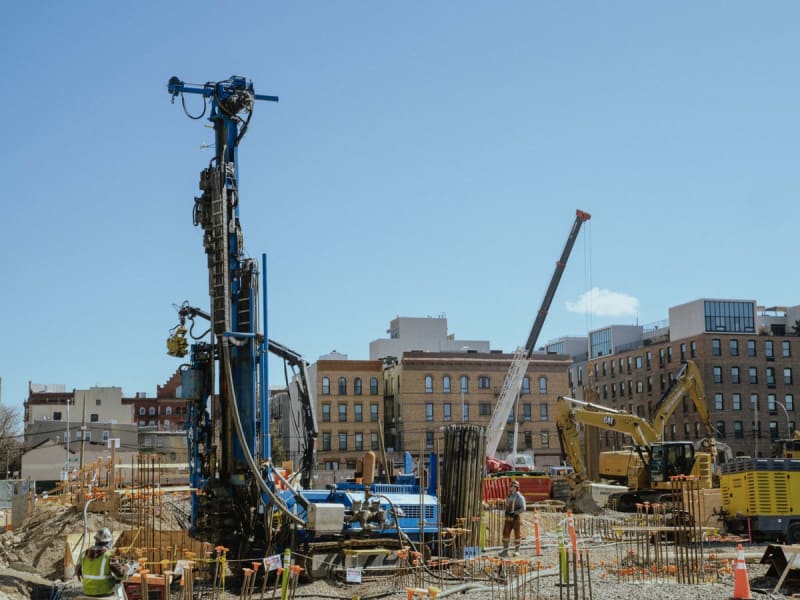
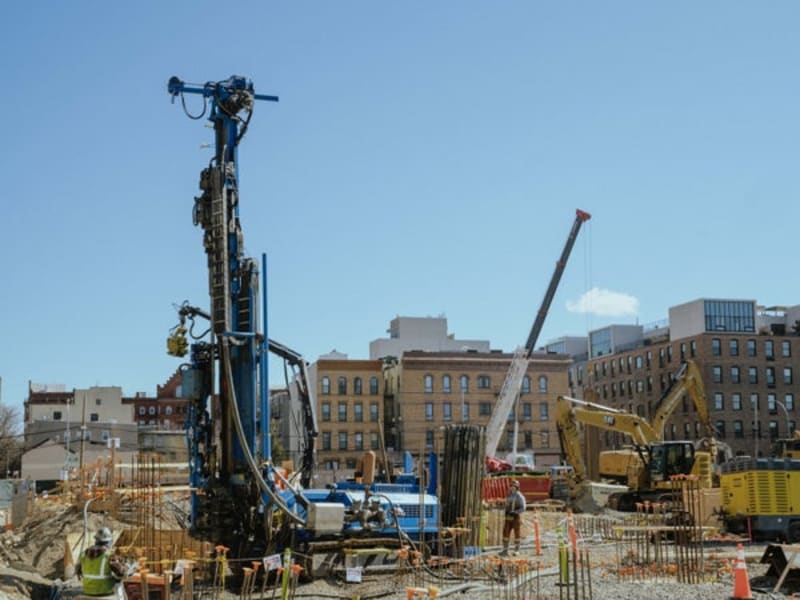
The engineering feat required drilling before the foundation was even laid. A specialized dual rotary drill rig created boreholes deeper than the building is tall, each one taking slightly more than a day to complete.
Inside those holes, U-shaped pipes circulate a water mixture that absorbs heat from the ground in winter and dumps excess heat back into the earth during summer. The pipes connect to 1,100 heat pumps throughout the building, creating a gas-free climate control system that simply moves heat around rather than generating it.
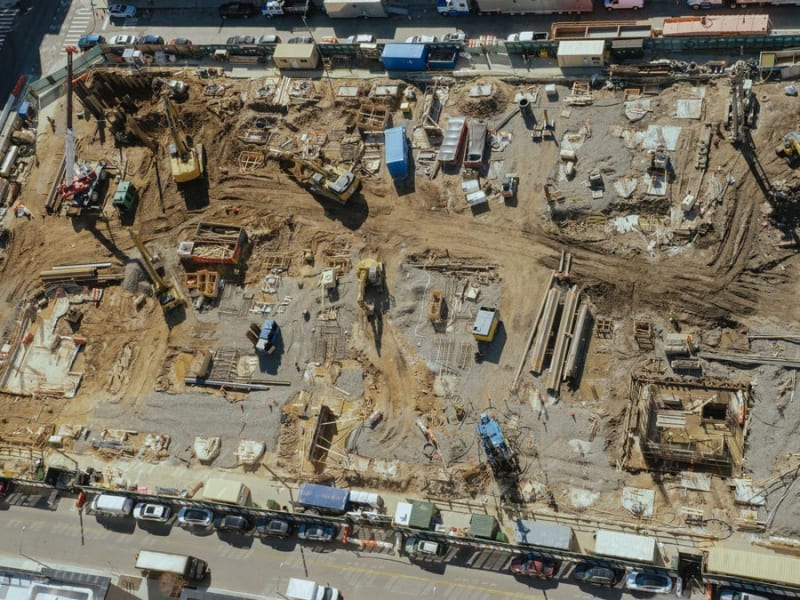
The tight 2.6-acre waterfront site presented unique challenges. Engineers had to pack roughly 65 miles of piping into the compact space, spacing boreholes just 15 feet apart. Because the site sits near the East River, they used steel casings to shield the holes from groundwater above the bedrock.
Once installed, the entire system disappears beneath the building's foundation forever. "Your entire heating and cooling system is dependent on it and it's buried under the building, so failure is not an option," says Tim Weber, CEO of Diverso Energy, which has built similar projects in Toronto.
The system works because the first 100 meters underground act as a natural thermal sponge in cities, soaking up heat from human activity. Below that depth, the earth maintains a stable temperature perfect for exchanging heat.
The Ripple Effect
The Riverie represents a blueprint that other cities desperately need. As states roll out strict building emissions caps and gas bans, technologies that deliver reliable, low-carbon heat are becoming essential rather than experimental.
The biggest challenge remains cost. The Riverie paid a 6 percent premium on total construction costs upfront, though those expenses get offset through lower operating costs over 25 years. As more buildings adopt the technology, economies of scale could bring prices down.
Urban geothermal projects are already multiplying across North America, proving that dense cities don't have to choose between comfort and climate action. What works underground in Brooklyn could work beneath high-rises everywhere.
The future of city heating might just be hundreds of feet beneath our feet, waiting to be tapped.
More Images

Based on reporting by Scientific American
This story was written by BrightWire based on verified news reports.
Spread the positivity!
Share this good news with someone who needs it