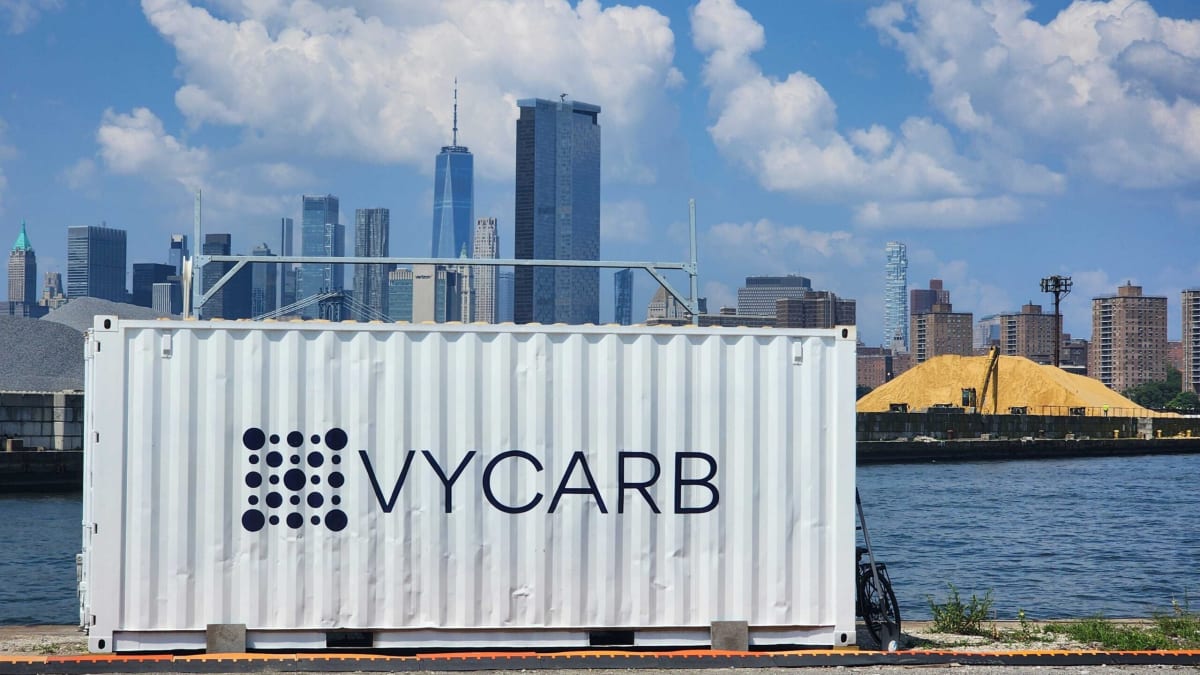
Brooklyn Startup Stores CO2 in Seawater at 99% Efficiency
A Brooklyn company just solved one of the biggest problems in carbon capture: storing dirty CO2 without expensive purification. Their ocean-based system could make climate action affordable for thousands of factories.
📺 Watch the full story above
What if factories could capture their carbon pollution without spending millions on purification? A Brooklyn startup just proved it's possible, and the results could change how the world fights climate change.
Vycarb has successfully stored carbon dioxide in seawater with 99% efficiency, even when the CO2 is only 50% pure. That might sound technical, but it's huge news. Traditional carbon capture requires expensive purification systems that make the technology too costly for most companies to use.
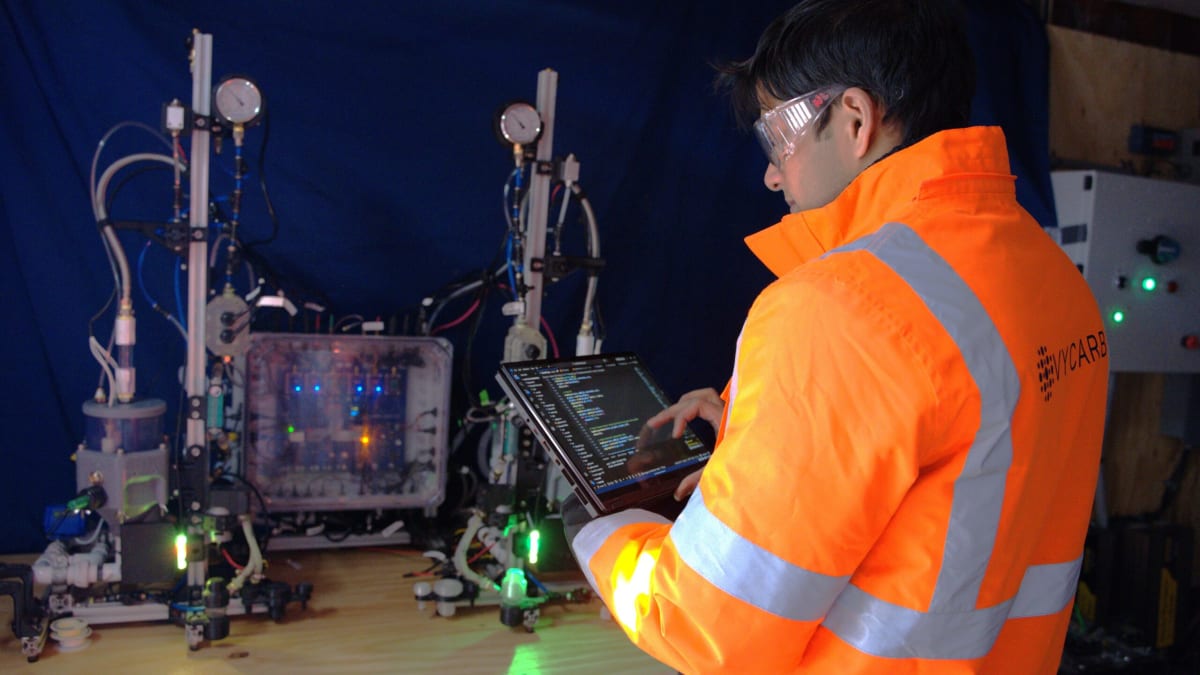
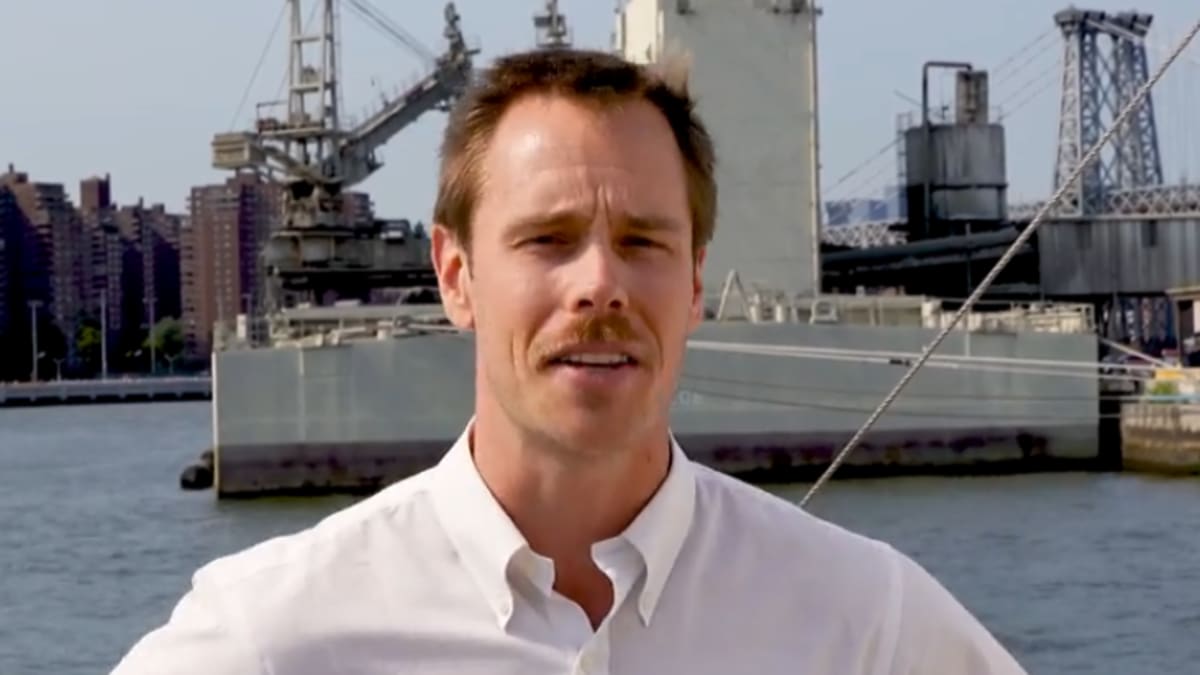
The company operates from the Brooklyn Navy Yard, where CEO Dr. Garrett Boudinot and his team run a pilot system on the East River. They've cracked a major challenge by using simple ocean chemistry and affordable minerals to turn CO2 into stable bicarbonate, the same compound found naturally in baking soda.
Here's why that matters. Most industrial emissions contain low-purity CO2 mixed with other gases. Separating and purifying that CO2 before storage typically costs more than the entire rest of the carbon capture process. Vycarb's system skips that step entirely.
The technology works by dissolving CO2 directly into water, where 85% converts into bicarbonate that stays safely stored. The team has already tested CO2 concentrations as low as 1.5% in the lab, roughly what comes straight out of a coal plant's smokestack. Their next goal is validating 99% efficiency with just 10% pure CO2.
Why This Inspires
Every coastal factory in the world sits near an ocean or river. Vycarb's approach means carbon capture could become as simple as running a pipe to the water. No expensive compression equipment. No hunting for underground storage sites. Just chemistry, minerals, and seawater.
The business case makes sense too. US tax credits pay up to $85 per ton of captured CO2. For coal plants, that could mean earning more from carbon capture than they spend on fuel. Ethanol producers have already bought credits from Vycarb to lower their emissions even further.
The slightly alkaline water released back into rivers and oceans might even help local ecosystems. Coastal waters tend to be acidic from pollution, so adding bicarbonate could improve water quality while storing carbon. The pH stays around 7.5, safe enough that Vycarb initially studied the chemistry to help oyster farms grow stronger shells.
Boudinot says every industrial emitter they talk to faces the same expensive purification problem. By eliminating that step, Vycarb offers what he calls a "full-stack CCS solution" that works for everything from power plants to fuel producers.
The company is now moving toward large-scale commercialization with independent validation of their results underway. They're testing how other industrial gases like nitrogen dioxide interact with their system, and early signs suggest those interactions might actually help the process work even better.
Founded just three years ago, Vycarb has already sold carbon removal credits through a Department of Energy program. With both climate advocates and fossil fuel companies supporting carbon capture technology, the startup has found rare bipartisan backing for scaling up.
Sometimes the best solutions are the simplest: take a problem, add water, and let chemistry do the heavy lifting.
More Images

Based on reporting by CleanTechnica
This story was written by BrightWire based on verified news reports.
Spread the positivity!
Share this good news with someone who needs it