Brooklyn's Toxic Gowanus Canal Gets Green Transformation
For over a century, Brooklyn's Gowanus Canal was one of America's most polluted waterways, filled with toxic sludge 10 feet deep. Now, a bold vision is turning this Superfund site into a thriving green space where nature and community can flourish together.
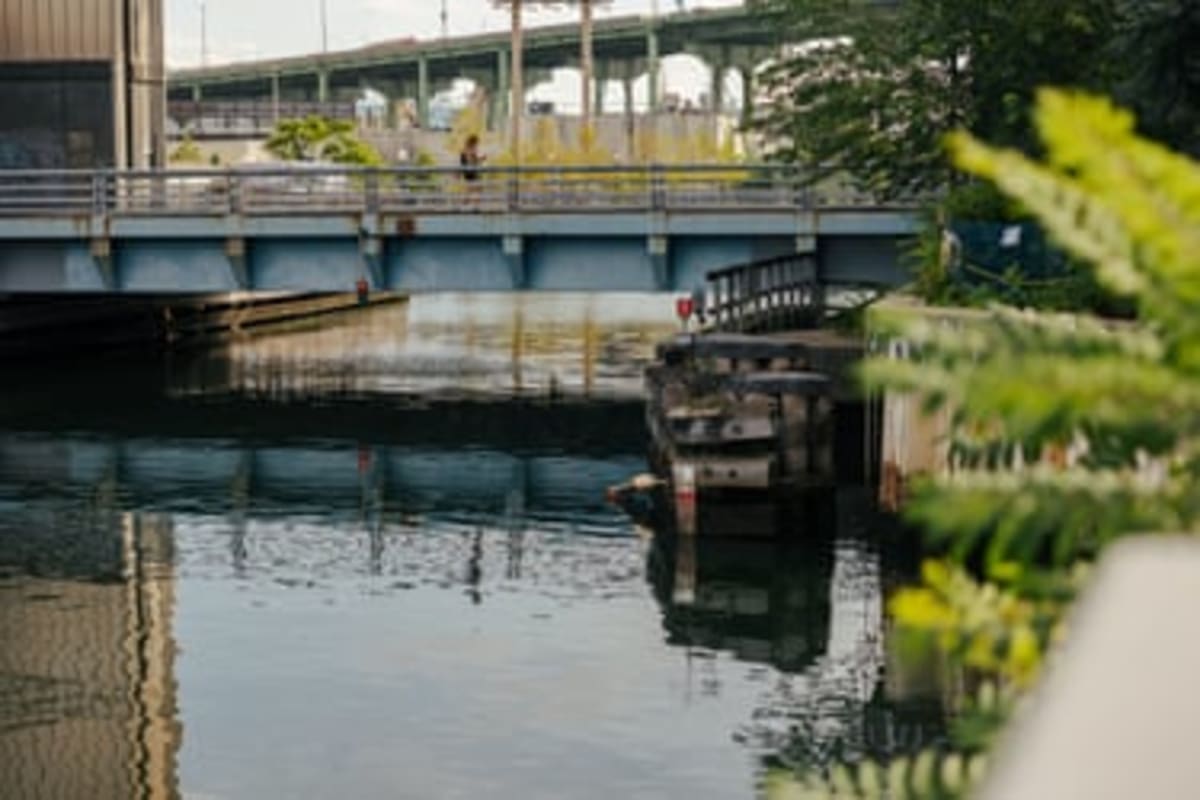
The Gowanus Canal in Brooklyn once smelled so bad that locals avoided it, but today families picnic along its newly green banks.
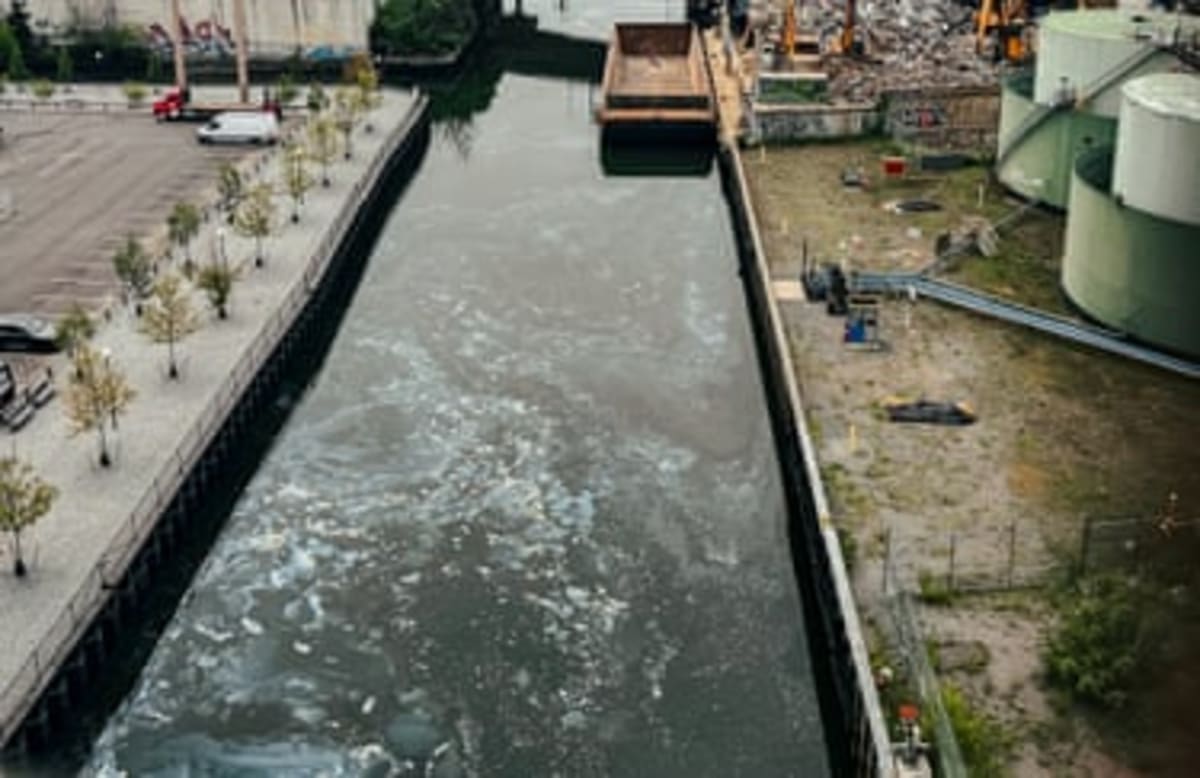
For more than 100 years, tanneries, chemical plants, and paper mills dumped mercury, lead, and coal tar into the 1.8-mile waterway. By 2010, the pollution was so severe the EPA declared it a Superfund site, with toxic sludge forming a 10-foot layer at the canal's bottom.
But the Gowanus Canal Conservancy had a different vision. Since 2013, the local nonprofit has been working to transform nearly 1,800 acres around the canal into a living, breathing ecosystem that serves both nature and people.
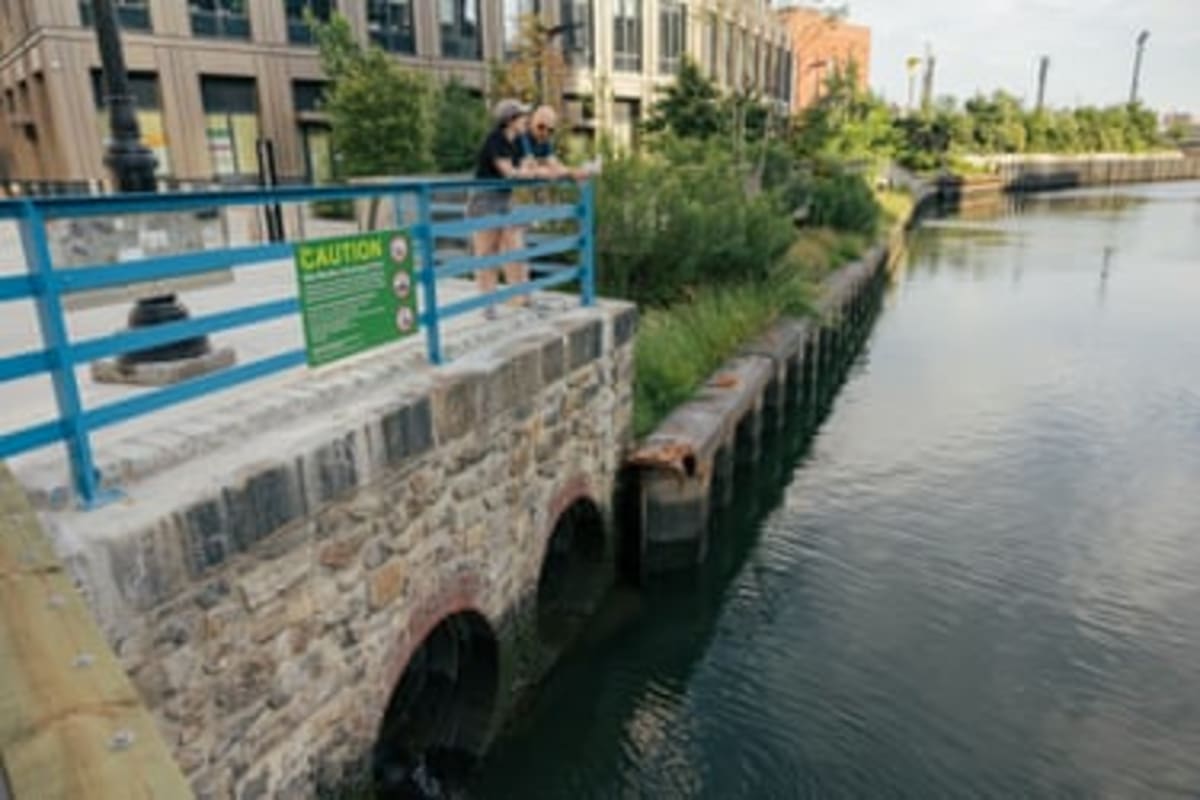
The solution tackles multiple problems at once. New waterfront esplanades feature native grasses, shrubs, and flowers designed to absorb and filter stormwater before it reaches the canal. Two massive retention tanks now under construction will capture raw sewage and untreated runoff during intense storms, a growing concern as climate change brings more extreme weather.
A "street creek" built between two new towers follows the path of a historic freshwater stream, holding and cleaning stormwater naturally. Stepped amphitheater-style seating prepares for a future where the water might actually be clean enough to touch.
The design embraces what landscape architects call "ecological regeneration" rather than restoration. "These are new urban ecosystems with new, highly modified conditions," explains Gena Wirth, design principal at Scape, the firm behind the master plan. The waterfront isn't manicured or sanitized. It's wild, functional, and built to flood when needed.
Community input shaped every decision. Deputy Director Tamara Greenfield emphasizes that engaging longtime residents was just as important as attracting wildlife. A 2021 rezoning emphasized racial and environmental justice, ensuring the new spaces remain publicly accessible.
The Ripple Effect
The Gowanus project shows how cities can heal environmental wounds while creating spaces that bring people together. Local resident Kim Bae moved to the area specifically because of the transformation. "I love that it's not super manicured," she says.
The model is spreading beyond Brooklyn. Other cities watching the Gowanus transformation are learning that urban waterways don't need to choose between function and beauty, or between nature and people.
The canal still has decades of cleanup ahead, but the vision is already real. Where toxic sludge once bubbled, native plants now filter rainwater, and neighbors gather in spaces designed to welcome both annual king tides and evening picnics.
More Images

Based on reporting by Guardian Environment
This story was written by BrightWire based on verified news reports.
Spread the positivity!
Share this good news with someone who needs it