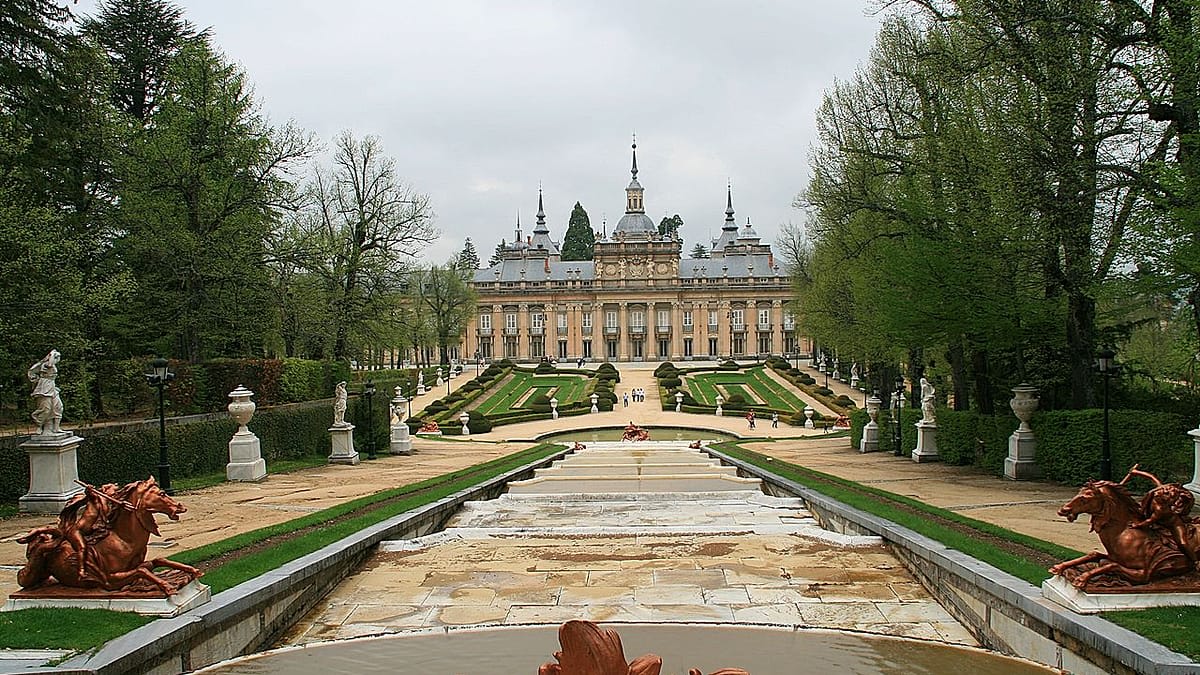
Brussels Opens 60 Historic Buildings to 19,000 Eager Visitors
Brussels threw open the doors to 60 rare Art Nouveau and Art Deco treasures in March, selling out nearly every ticket. Private homes, industrial sites, and architectural masterpieces revealed their secrets to the public for the first time.
Imagine stepping inside a century-old mansion that's been locked to outsiders your entire life, its stained glass and wrought iron curves perfectly preserved like a time capsule. That's exactly what happened for nearly 20,000 people in Brussels this March.
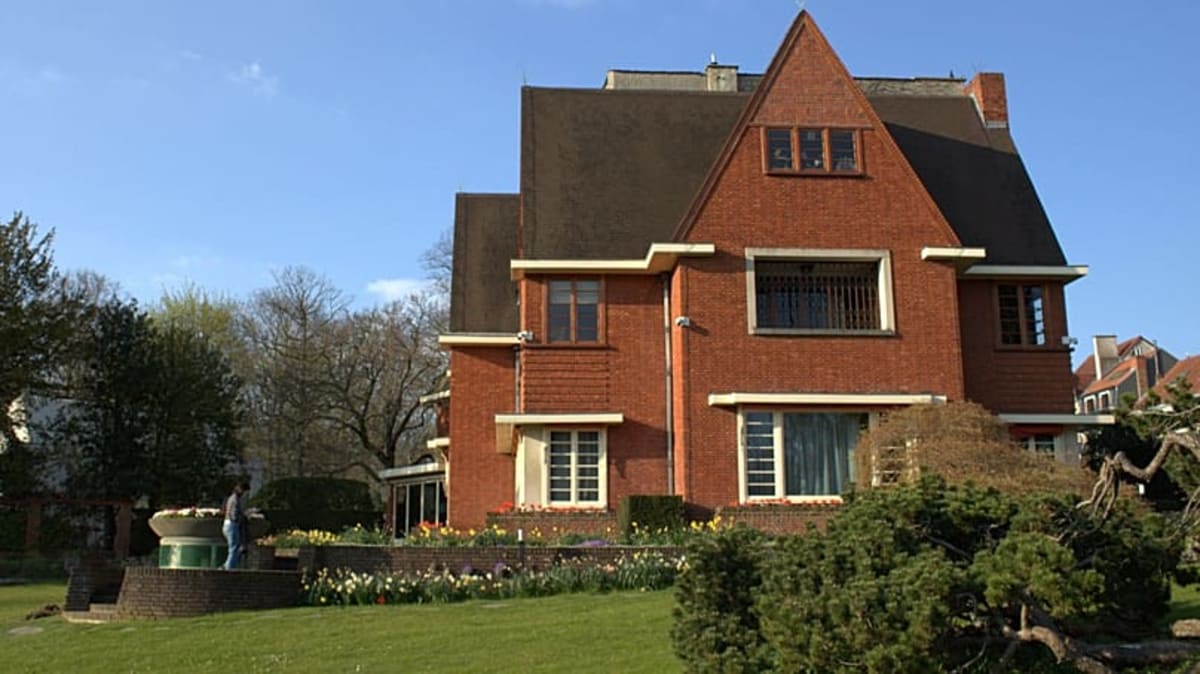
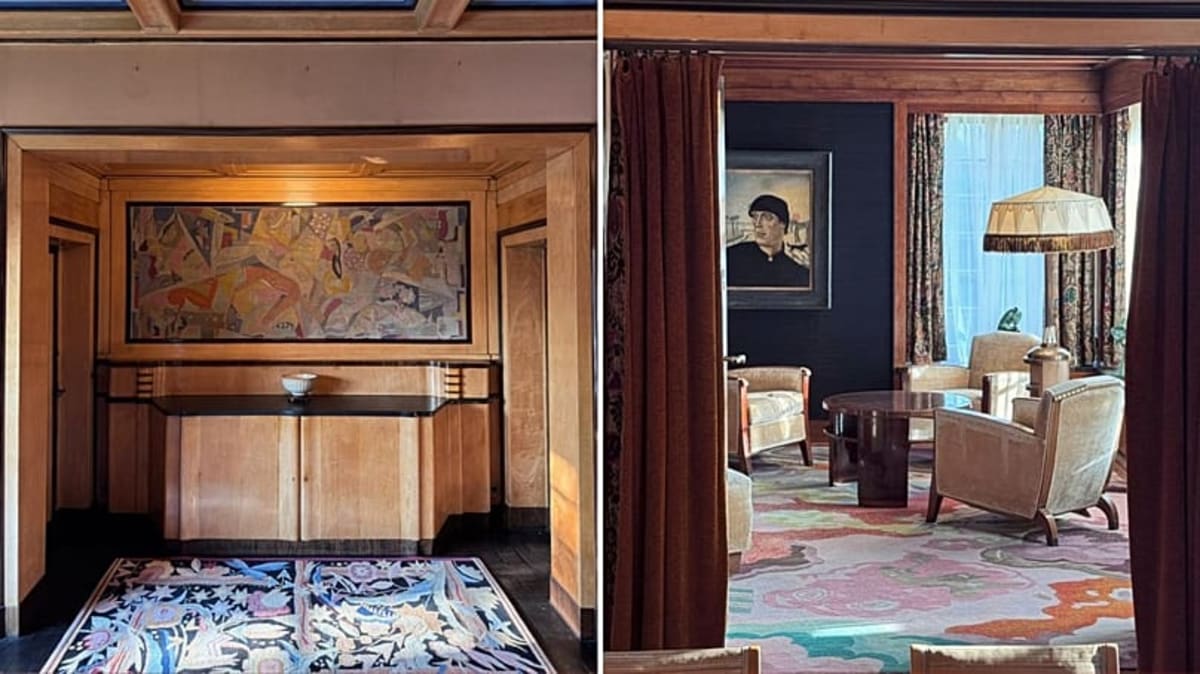
The Brussels Art Nouveau and Art Deco (BANAD) festival sold 19,426 tickets, reaching almost 100% capacity as curious locals and tourists explored 60 historic buildings across the Belgian capital. A dozen private homes opened their doors alongside townhouses, institutional buildings, and former industrial sites, many beautifully frozen in time from decades past.
Professional guides led visitors through each space, sharing restoration stories and architectural secrets. The tours revealed how master architect Victor Horta pioneered Art Nouveau in the 1890s with his revolutionary use of iron, glass, and flowing organic forms that changed building design forever.
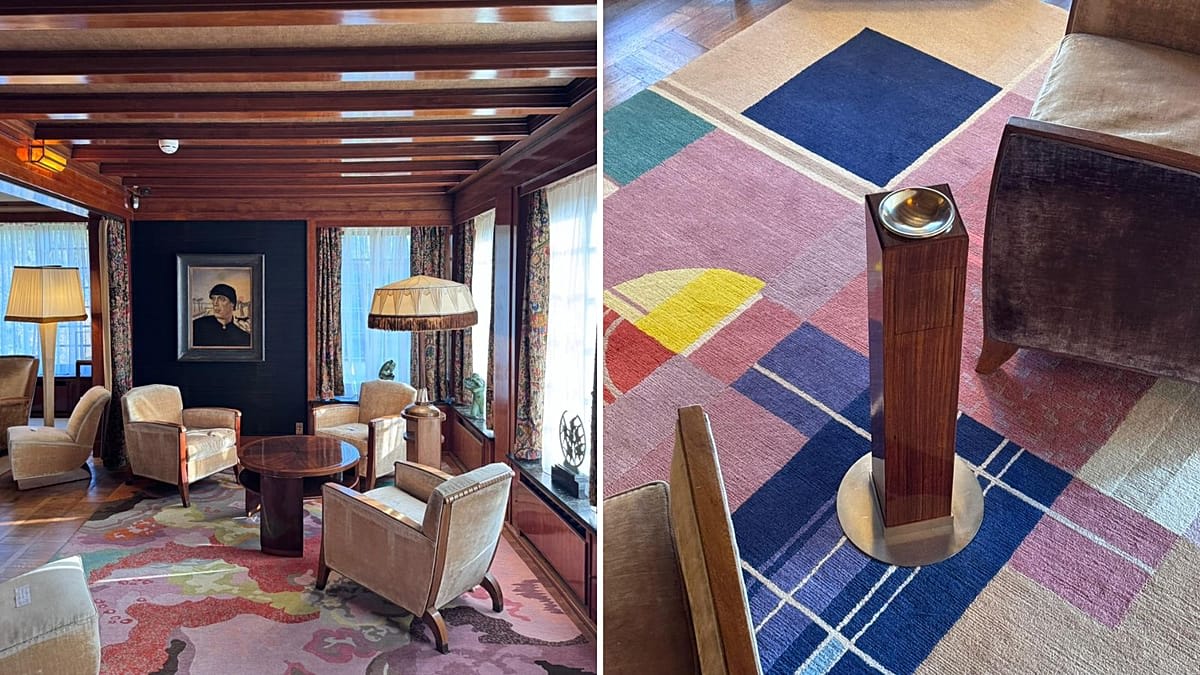
Brussels holds roughly 500 Art Deco structures, making it one of the world's most important living museums of early 20th-century architecture. Many buildings blend both styles, showing how architects gradually shifted from Art Nouveau's floral curves to Art Deco's bold geometric lines and industrial materials.
Visitors explored treasures like Hôtel Solvay and the luxurious Villa Empain, plus newly accessible gems like the Van Keirsbilck house and Villa Berteaux. Beyond building tours, the festival offered 50 guided walks, cycling tours, concerts, and exhibitions throughout the month.
This tenth anniversary edition made history by adding Modernism to the program. The functional, clean-lined style emerged as a reaction against decorative architecture, reflecting early 20th-century social and technological changes with efficient, standardized designs.
The Ripple Effect
The festival's success reflects Brussels' serious commitment to architectural preservation. The regional heritage agency announced 56 million euros for sustainable renovation and façade enhancement in 2026, ensuring these architectural treasures survive for future generations.
What started as a biennial event in 2001 has grown into an annual celebration that connects people with their city's cultural heritage. BANAD proves that history doesn't have to stay locked behind closed doors.
The overwhelming response shows people are hungry to connect with beauty, craftsmanship, and stories that span generations.
More Images
Based on reporting by Euronews
This story was written by BrightWire based on verified news reports.
Spread the positivity!
Share this good news with someone who needs it