Buddhist Leadership Reforms: China Strengthens Religious Oversight After Misconduct Revelations
China's Buddhist leadership establishes a new oversight mechanism to address clergy misconduct, signaling a robust commitment to ethical standards. The move follows a significant leadership scandal that exposed systemic challenges within religious institutions.
In a significant move to reinforce accountability within Buddhist clergy, China has established a new oversight mechanism following a high-profile leadership scandal involving inappropriate conduct by senior religious officials.
The Buddhist Association of China (BAC) recently concluded its 11th national congress in Beijing with a crucial announcement about enhanced governance, signaling the national leadership's commitment to maintaining ethical standards among religious practitioners.
Beijing's fourth-ranking official Wang Huning explicitly called for 'comprehensive and rigorous governance' of Buddhist religious institutions, underscoring the government's intent to closely monitor clergy behavior and prevent future misconduct.
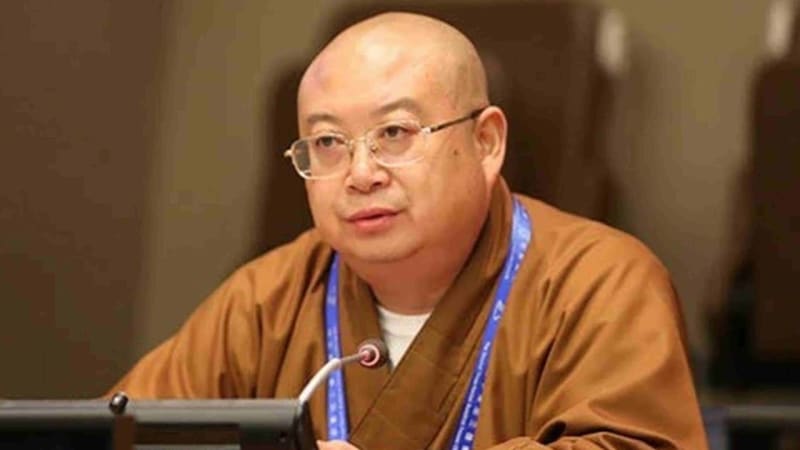
As part of these reforms, Shi Zhengci, the abbot of Wuzu Temple in Huangmei county's Hubei province, was elected chairman of the BAC's board of supervisors, a position that will be instrumental in implementing new accountability measures.
The leadership changes come in the wake of serious allegations against a former religious leader who was found to have 'seriously violated' monastic vows by maintaining inappropriate relationships with multiple women and fathering at least one child, a breach that prompted immediate institutional response.
By creating this new supervisory body, Chinese Buddhist leadership aims to restore institutional integrity and public trust, demonstrating a proactive approach to addressing ethical breaches within religious organizations.
Based on reporting by South China Morning Post
This story was written by BrightWire based on verified news reports.