China's Silver Export Restrictions Signal Global Economic Shifts
China prepares to implement significant silver export restrictions, potentially disrupting global technology and industrial supply chains. The move signals broader economic shifts and strategic positioning in international trade.
In a move that could reshape international technology and industrial supply chains, China is preparing to implement stringent controls on silver exports, signaling a strategic pivot that has caught the attention of global markets and tech leaders.
Tesla CEO Elon Musk quickly responded to the developments, warning on his social media platform X that the restrictions could have significant industrial implications. 'This is not good. Silver is needed in many industrial processes,' Musk wrote, reflecting widespread concern about potential disruptions to manufacturing and technological innovation.
The export limitations, first announced by China's Commerce Ministry in October, are part of a broader strategy to regulate critical metals. Interestingly, the original announcement coincided with a diplomatic meeting between U.S. President Donald Trump and Chinese President Xi Jinping in South Korea, during which Beijing agreed to a temporary pause on rare earth export controls.
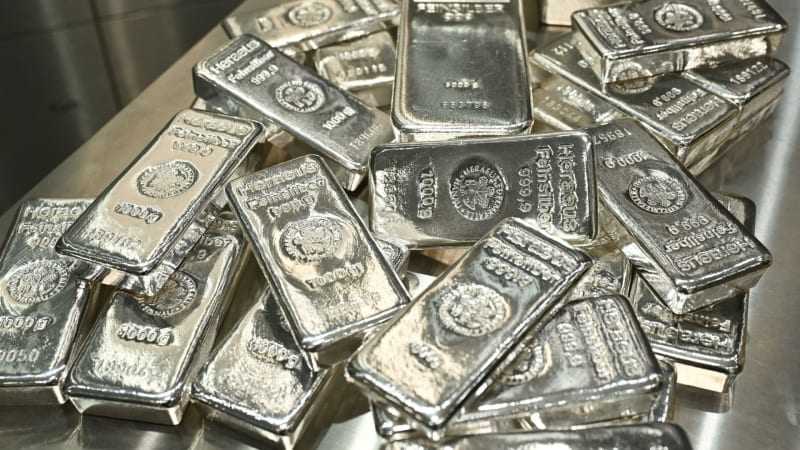
China has already approved 44 companies to export silver under the new measures for 2026 and 2027, effectively elevating silver from an ordinary commodity to a strategic material. The restrictions will also impact exports of tungsten and antimony, materials crucial to defense and advanced technology sectors where China dominates the global supply chain.
The potential economic impact is substantial. The EU Chamber of Commerce in China found that a majority of its members anticipate being affected by these export controls. The United States has responded by adding silver to its list of critical minerals in November, recognizing its essential role in electrical circuits, batteries, solar cells, and medical instruments.
Market dynamics are already showing interesting shifts. China exported over 4,600 tons of silver in the first 11 months of the year, substantially more than its approximately 220 tons of imports. Recent weeks have seen surge of interest in the metal, with companies offering premiums well above market rates for physical silver acquisitions.
Economic experts are interpreting these developments as potential signals of broader financial trends. Tyler Cowen, an economics professor at George Mason University, suggests the rising prices of silver and gold reflect investors' growing skepticism about the U.S. dollar. The dollar index has fallen nearly 9.5% in 2025 - its worst performance since 2017 - while silver prices have more than doubled, potentially positioning the metal for its strongest year since 1979.
As global markets continue to watch these developments, the silver export restrictions represent more than a simple trade policy - they symbolize the intricate dance of economic strategy, technological innovation, and international relations in an increasingly complex global landscape.
Based on reporting by CNBC
This story was written by BrightWire based on verified news reports.