Bulgaria Embraces the Euro: A Milestone in Economic Integration
Bulgaria prepares to join the eurozone, becoming the 21st member and expanding the single currency's reach to 356 million Europeans. The move represents a significant milestone in the country's economic integration, balancing complex public sentiment and technical financial challenges.
In a landmark moment for Southeast European economic development, Bulgaria prepares to join the eurozone, marking a significant step toward greater European financial unity.
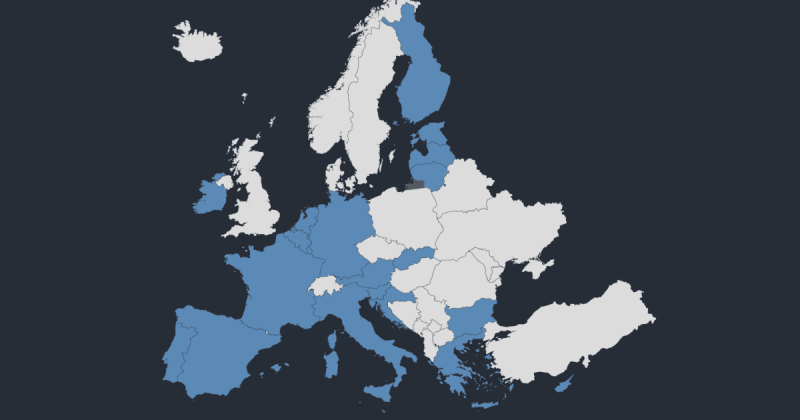
After years of careful preparation and economic reforms, Bulgaria will become the 21st member of the eurozone on Thursday, expanding the single currency's reach to 356 million Europeans and geographically extending the euro into the Black Sea region for the first time.
The country's journey to euro adoption has been complex, reflecting deep economic and political challenges. Since joining the European Union in 2007, Bulgaria has navigated a challenging path of meeting strict monetary criteria outlined in the 1992 Maastricht Treaty, which demands precise targets for inflation, budget deficit, debt-to-GDP ratio, exchange rate stability, and long-term interest rates.
Despite widespread public skepticism, with citizens almost evenly divided on the issue, the European Union officially greenlit Bulgaria's eurozone ambitions in January 2025. Surveys from the Bulgarian firm Alpha Research revealed that 46.5 percent supported the move, while 46.8 percent opposed it, highlighting the nuanced public sentiment surrounding this economic transition.
The technical implementation of the currency change involves a carefully planned transition. Prices will be displayed in both leva and euros until August 2026, and the lev will continue to be accepted until January 31. Bulgarians will have six months to exchange their national currency at commercial banks, post offices, and the Bulgarian National Bank, after which collected currencies will be systematically shredded and recycled.
Interestingly, the formal adoption may not represent as dramatic a shift as some anticipate. Researchers from the National Bank of Belgium note that over 80 percent of Bulgarian imports have already been denominated in euros since 1999, and the lev had informally been pegged to the euro through its previous connection to the German mark.
By joining the European Exchange Rate Mechanism in 2020, Bulgaria has already been subject to European Central Bank policies. Now, with a seat on the bank's governing council, the country gains direct input into broader monetary strategies, symbolizing a deeper integration into European financial frameworks.
This milestone represents more than a mere currency change—it signifies Bulgaria's continued commitment to European economic cooperation and its aspiration to strengthen regional economic stability despite ongoing geopolitical challenges.
Based on reporting by Al Jazeera
This story was written by BrightWire based on verified news reports.