Buddhist Sites in India See 9x Jump in Global Visitors
Uttar Pradesh's Buddhist heritage destinations welcomed 440,000 international pilgrims in 2025, nearly nine times more than three years ago. A new international airport and dedicated tourist train are making ancient spiritual sites accessible to devotees worldwide. ##
Picture hundreds of thousands of people traveling halfway around the world to walk where Buddha once taught. That's exactly what's happening in northern India, where ancient Buddhist sites are experiencing their biggest tourism boom in modern history.
Uttar Pradesh welcomed over 440,000 foreign visitors to its Buddhist destinations in 2025, marking the highest international footfall ever recorded. The numbers tell a remarkable story: what was once a trickle of pilgrims has grown ninefold in just three years.
The transformation centers on Kushinagar, the town where Buddha is believed to have attained Mahaparinirvana. This single site attracted 300,000 of the total visitors. The game changer came with the opening of Kushinagar International Airport, which now brings direct flights from Sri Lanka and Southeast Asia to this once remote pilgrimage site.
Sarnath, where Buddha delivered his first sermon, drew another 100,000 international guests. Other sacred destinations like Kapilvastu, Sravasti, Kaushambi and Sankisa shared the remaining visitors.
Thailand leads the pilgrim wave, accounting for up to 35% of international arrivals. Sri Lankan devotees make up another quarter, while Japanese, Taiwanese, South Korean and Burmese pilgrims fill out the growing numbers.
Winter months see the biggest crowds, especially during Kathina, a holy observance when Buddha's relics go on display at Sarnath's Mulagandha Kuti Vihar. Devotees plan their journeys to coincide with these sacred moments.
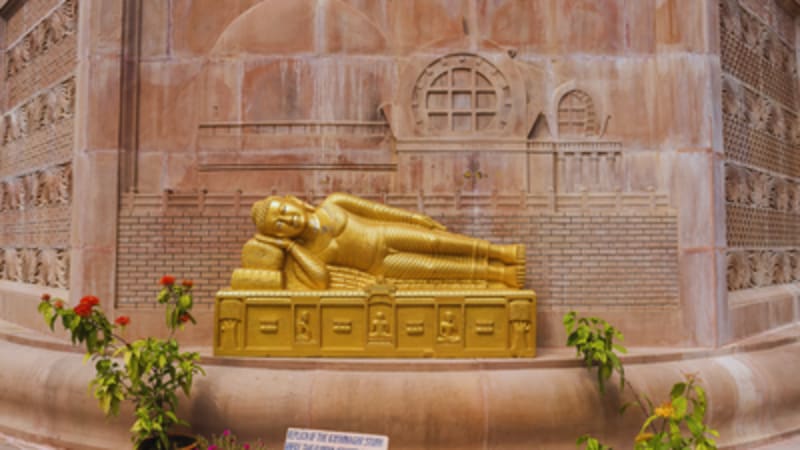
The Indian Railway Catering and Tourism Corporation now operates a Buddhist Circuit Tourist Train connecting all major sites. The journey includes Sarnath, Sravasti and Kushinagar's Mahaparinirvana Temple, home to a 20-foot reclining Buddha statue. Tours even extend into neighboring Nepal and include stops at the Taj Mahal before returning to Delhi.
The Ripple Effect
The tourism surge is changing life beyond the temple gates. State officials invested heavily in multilingual signage, upgraded facilities, and better crowd management systems to welcome the growing crowds.
Local communities are benefiting from expanded hospitality services and infrastructure improvements. International diplomatic outreach and participation in global travel markets have positioned these sites prominently on the worldwide Buddhist pilgrimage circuit.
The improvements serve a practical purpose: many visitors are elderly monks and organized monastic groups who need accessible, well-organized travel options. The combination of air connectivity, dedicated rail service and upgraded ground infrastructure has eliminated long-standing barriers.
What began as a regional pilgrimage route is now a major destination for global religious tourism, connecting modern travelers with 2,500-year-old spiritual heritage.
##
More Images


Based on reporting by Times of India - Good News
This story was written by BrightWire based on verified news reports.
Spread the positivity!
Share this good news with someone who needs it