Buenos Aires Soccer Stadium Goes Solar With 210-Panel System
One of Argentina's most iconic soccer clubs just flipped the switch on a massive rooftop solar system that will power a fifth of its stadium's energy needs. Even better? The club didn't spend a peso upfront.
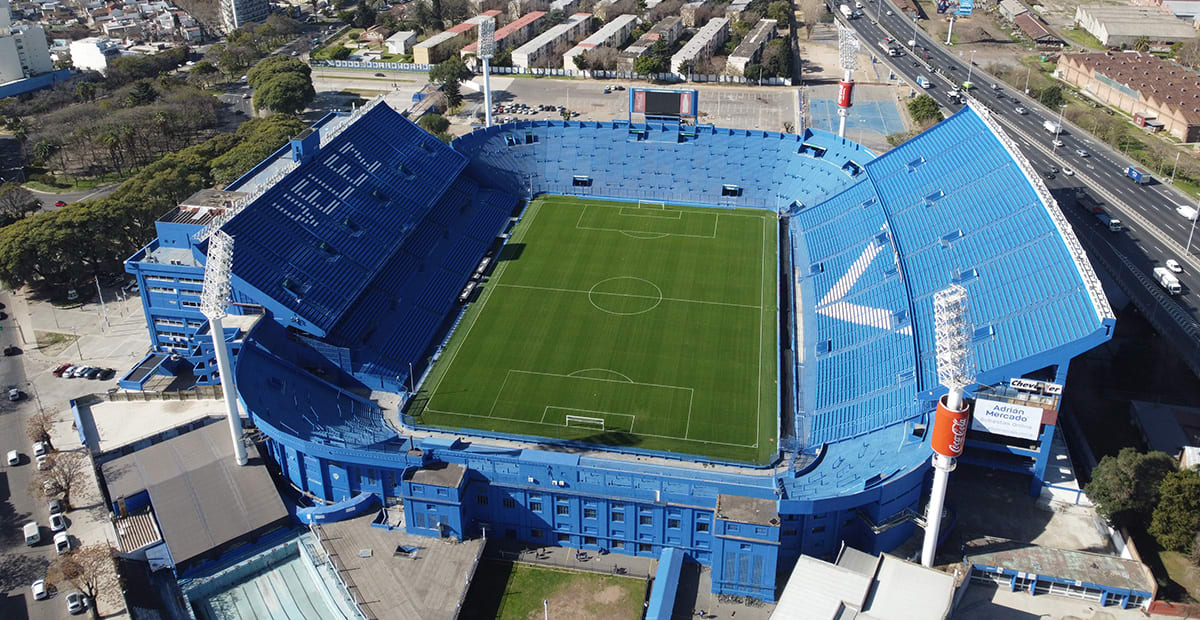
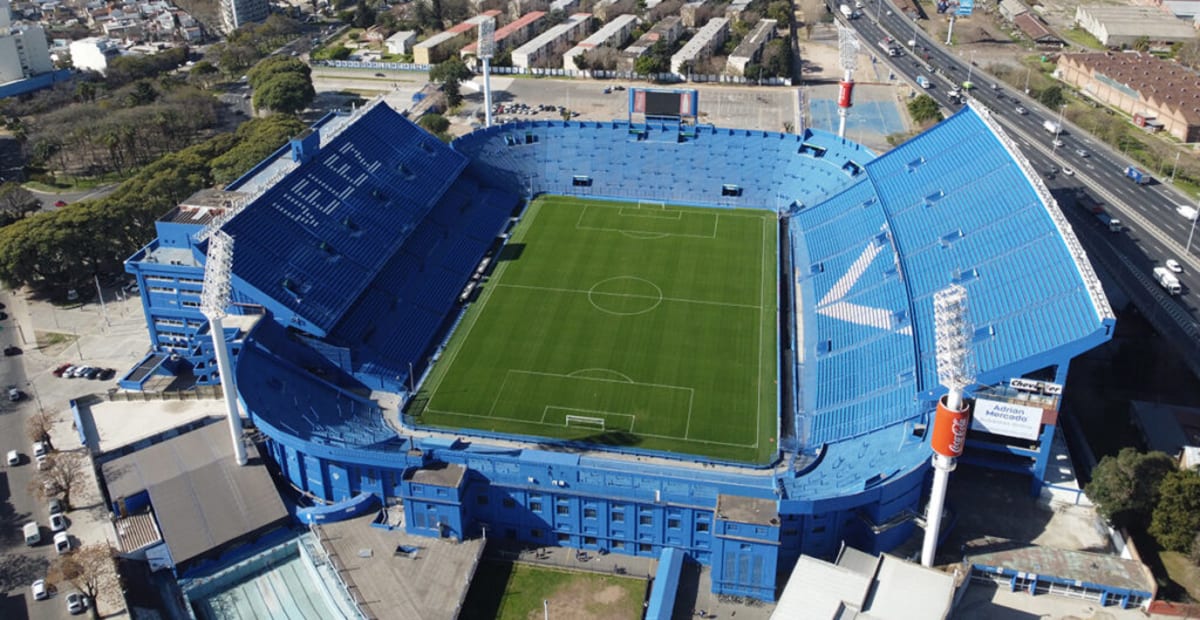
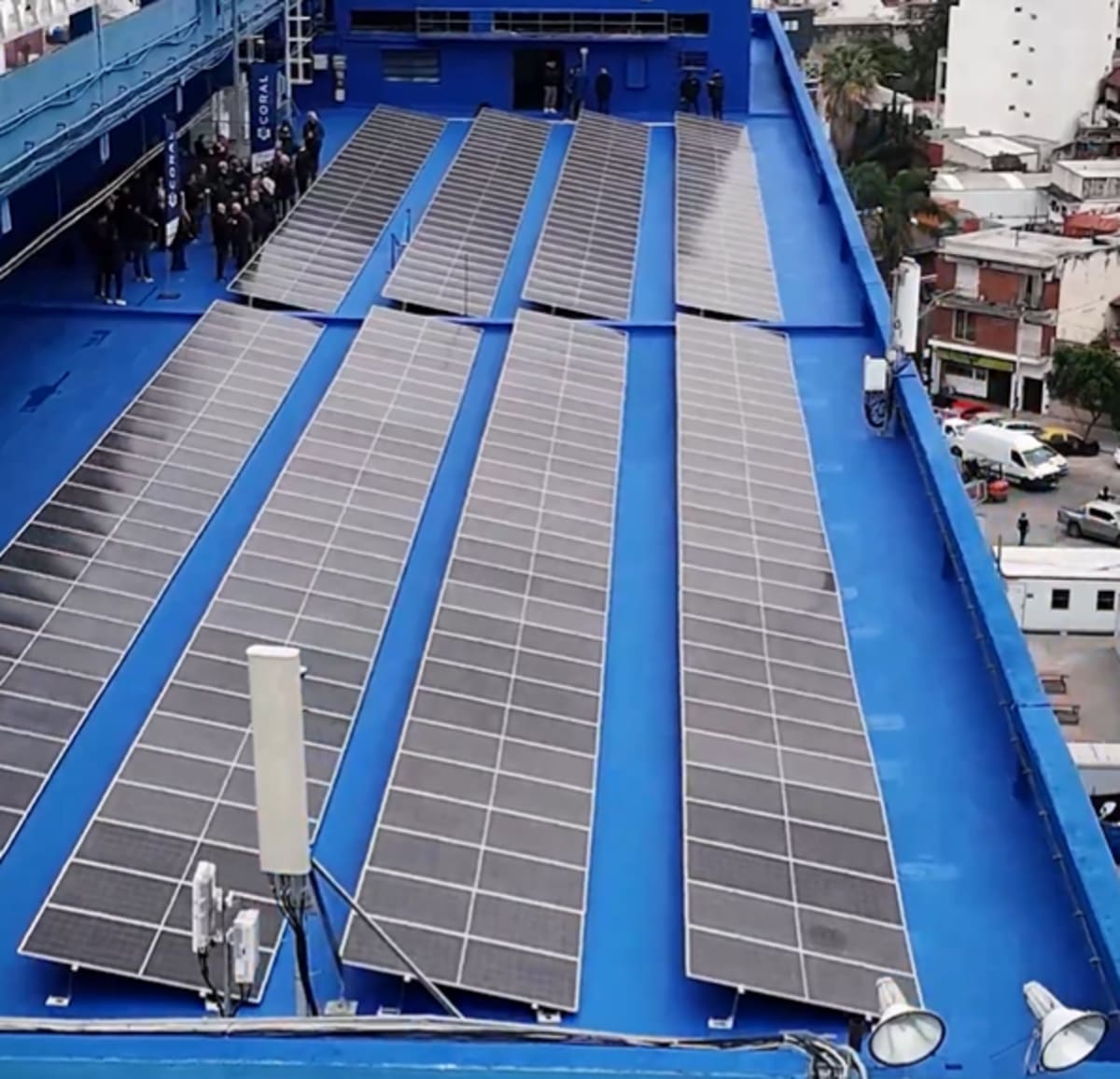
Club Atlético Vélez Sarsfield in Buenos Aires just became Argentina's first major soccer team to power its home stadium with sunshine, installing 210 solar panels across the rooftop of the legendary José Amalfitani Stadium.
The 120 kilowatt system covers about 1,250 square meters of roof space and will generate enough clean electricity annually to power the equivalent of 15 to 20 homes. That translates to roughly 20% of the stadium's total energy consumption, cutting the club's carbon footprint while slashing utility bills.
Argentine solar company Coral Energía designed the installation with smart technology that automatically manages energy flow and requires minimal maintenance. The panels are bifacial, meaning they capture sunlight from both sides for maximum efficiency.
Here's the creative part: the $200,000 project cost the club nothing out of pocket. Vélez structured the deal as a sponsorship and advertising exchange with Coral Energía and business group Grupo Corven, proving that going green doesn't require draining the bank account.
The stadium hosts far more than just soccer matches. The complex includes educational programs, athletic training facilities, and commercial spaces that all now run on cleaner power.
Thanks to Argentina's distributed generation law, Vélez can sell excess electricity back to the local power grid and receive credit from distributor Edesur. The stadium becomes both an energy consumer and a mini power plant, feeding clean energy into the city when production exceeds needs.
The Ripple Effect
Club president Fabián Berlanga is already eyeing expansion, considering adding solar panels to Vélez's Olympic Village training complex. The club deliberately designed this project as a blueprint that other Argentine sports organizations could follow.
With thousands of stadiums across Latin America facing similar energy costs, this model offers a path forward. A creative financing structure plus existing incentive laws means any club with a sunny rooftop could follow Vélez's playbook without major capital investment.
The project shows how sports institutions can lead on climate action while strengthening their bottom line, turning unused rooftop space into both an environmental statement and a revenue generator.
More Images


Based on reporting by PV Magazine
This story was written by BrightWire based on verified news reports.
Spread the positivity!
Share this good news with someone who needs it