Bulgaria Gets 200 MWh Energy Storage in Clean Power Push
A massive battery storage system just went live in Bulgaria, powerful enough to balance the grid while taking up 20% less space than older designs. The technology could help Europe fit more clean energy into crowded cities.
Clean energy storage just got a lot more efficient in Europe, and Bulgaria is leading the charge.
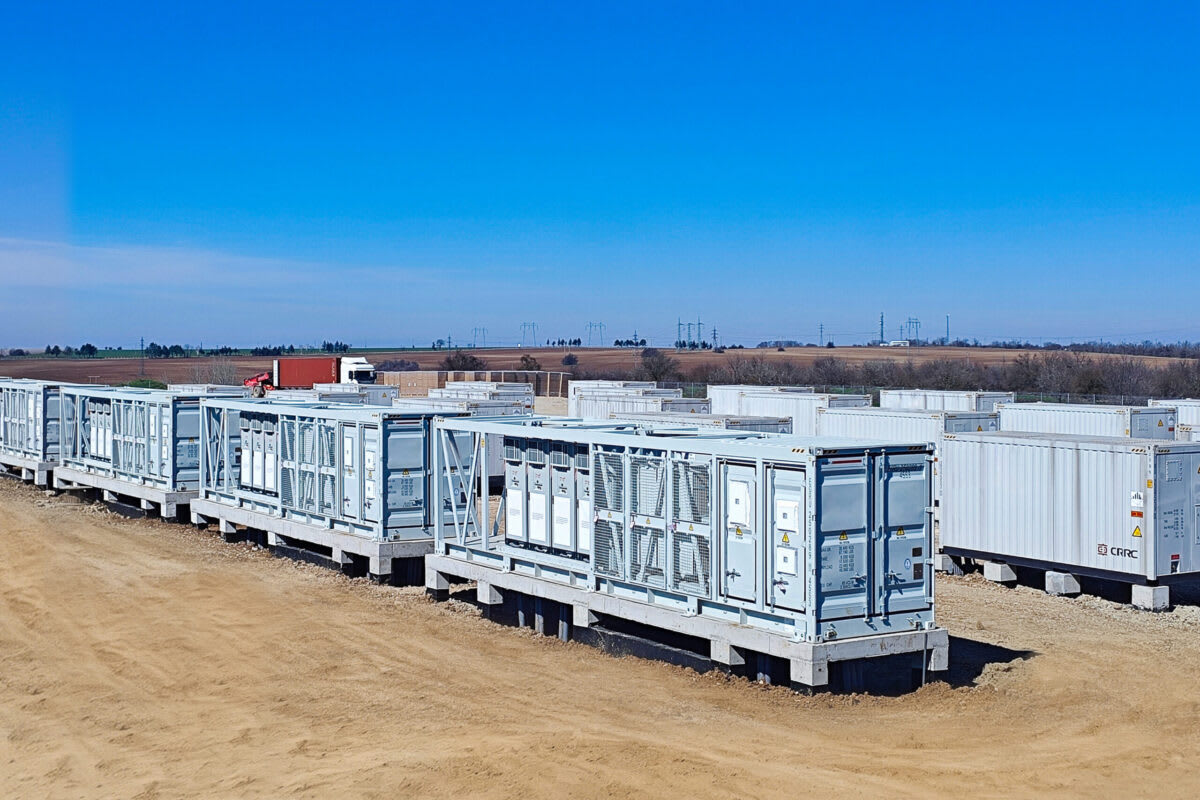
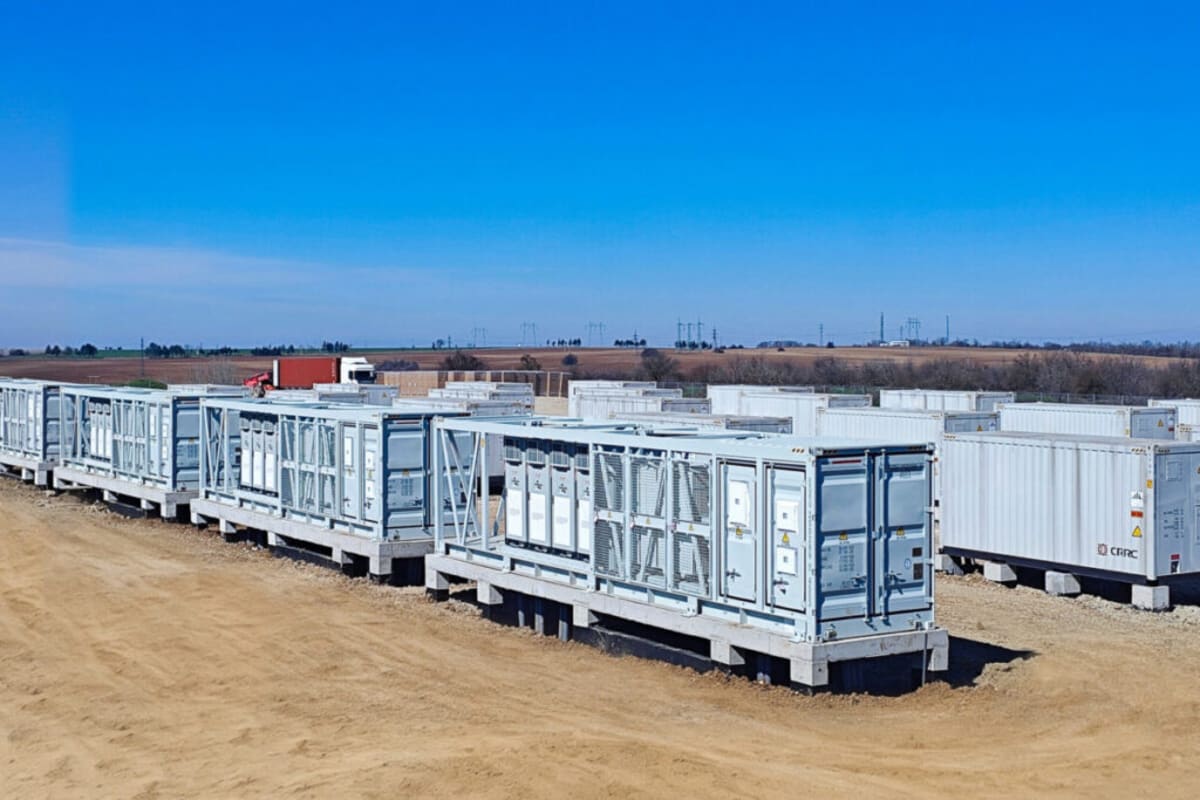
CRRC Zhuzhou Institute just connected a 200 megawatt-hour battery storage system to Bulgaria's power grid in April 2026. The Bohot project represents a new generation of energy storage that packs 25% more power into 20% less space than previous designs.
That space savings matters more than it might sound. As European cities rush to add battery systems that can store solar and wind power for when the sun sets and the wind stops, they're running into a basic problem: there's not much room left to build.
The new 6.X Liquid-Cooled Energy Storage System debuting at The smarter E Europe trade show in Munich this June tackles that constraint head-on. Its compact design helps developers squeeze major storage capacity into tight urban plots where planning approvals are notoriously difficult to get.
The system also runs cooler and smarter. A top-discharge heat design paired with temperature controls cuts cooling energy use by more than 10%, meaning less electricity wasted just keeping the batteries at safe temperatures.
CRRC Zhuzhou Institute didn't just shrink the footprint. They put their design through six tiers of extreme safety testing under UL 9540A and NFPA 855 standards, including large-scale fire tests that simulate worst-case scenarios.
The Ripple Effect
The Bulgaria project shows how one successful installation can open doors across an entire continent. CRRC Zhuzhou Institute now operates in more than 25 countries, and the Bohot system's smooth grid connection has caught the attention of European energy regulators.
The company is also debuting a "Chixiao" solar inverter that pushes 28% more power through the same size unit by using silicon-carbide components borrowed from high-speed rail design. That means solar farms can generate more electricity without expanding their equipment yards.
Beyond the hardware, CRRC prioritizes local hiring and skills training in each market they enter, strengthening domestic supply chains while building clean energy infrastructure. They conduct environmental impact assessments and biodiversity protection programs at every project site.
Europe's clean energy transition depends on solving the storage puzzle, and systems like these prove the technology is ready to scale.
More Images
Based on reporting by PV Magazine
This story was written by BrightWire based on verified news reports.
Spread the positivity!
Share this good news with someone who needs it