Bulgaria's 6,500-Year-Old Graves Reveal World's Oldest Gold
Archaeologists studying a Bulgarian burial site from 4600 BC have confirmed it contains the oldest worked gold ever discovered, rewriting our understanding of when human societies first developed wealth and social hierarchy. The Varna Necropolis shows that complex class systems emerged in Europe far earlier than previously believed.
In 1972, construction workers near Bulgaria's Black Sea coast uncovered something extraordinary: a 6,500-year-old cemetery that would challenge everything archaeologists thought they knew about prehistoric Europe.
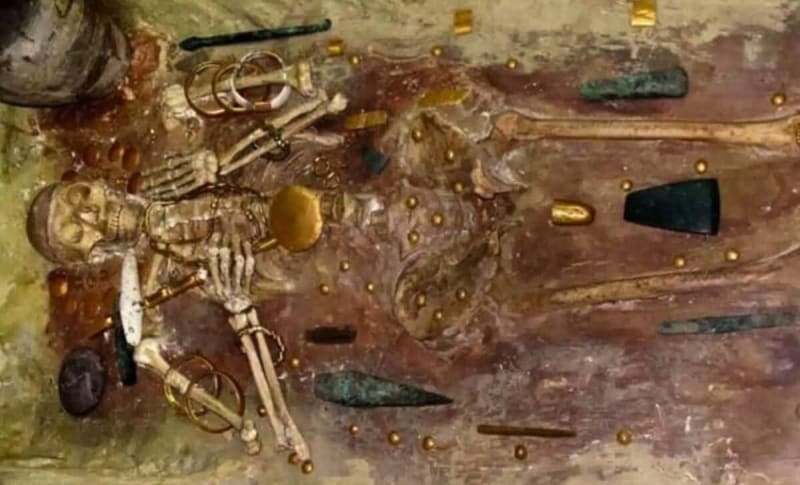
The Varna Necropolis, dated to 4600 BC, contains 294 graves from the Copper Age. But the real story lies in what those graves reveal about who got what.
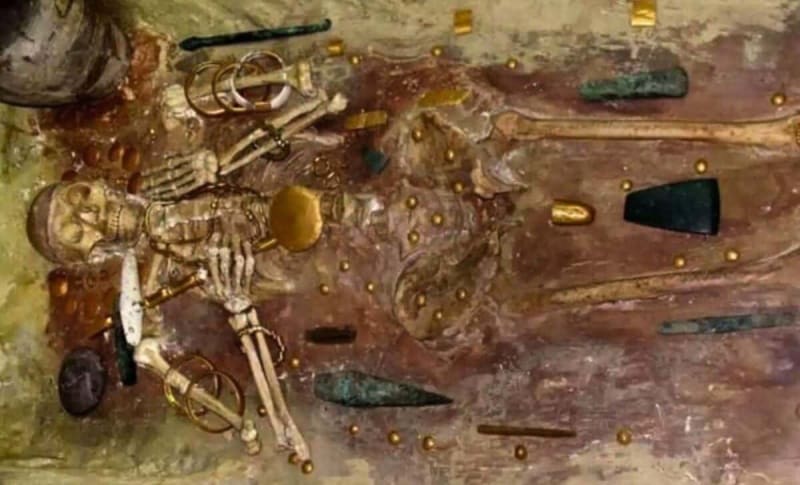
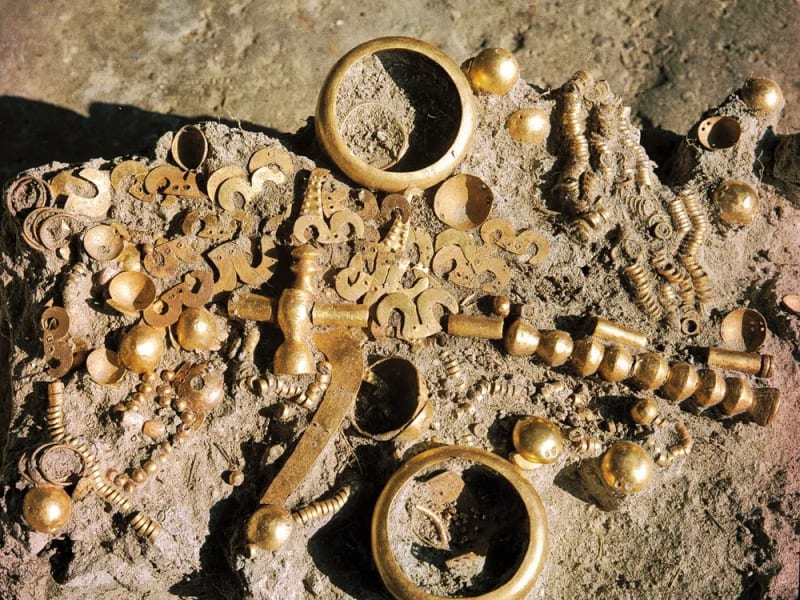
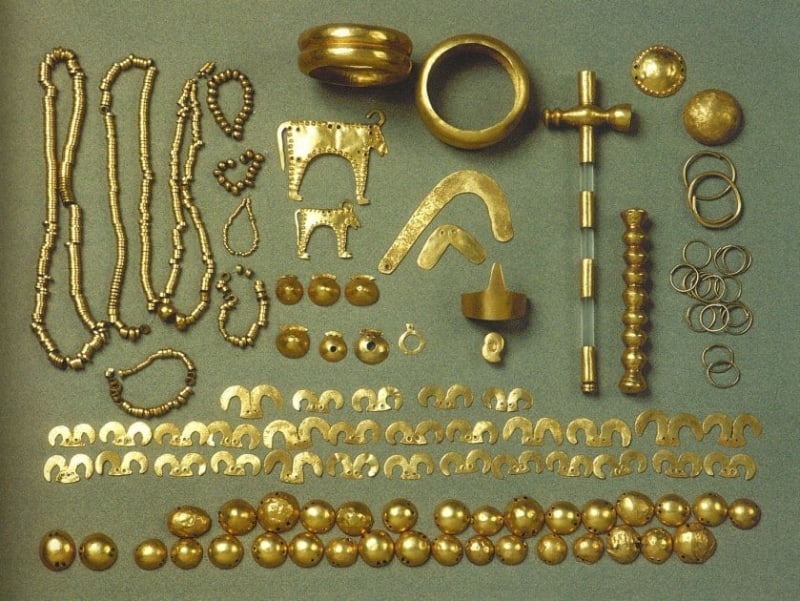
Grave 43 held the remains of a man buried with over three pounds of gold, including bangles, pendants, and a ceremonial axe wrapped in gold. Meanwhile, most of the 294 burials contained nothing but basic stone tools or bone ornaments. Four graves held nearly all the site's precious materials, while the rest held almost nothing.
This wasn't just about wealth. The gold itself represents a technological breakthrough. Metalworkers in ancient Bulgaria were hammering, shaping, and decorating gold centuries before the Egyptian pyramids existed. The raw gold likely came from mountains 100 miles away, indicating organized production and trade.
Even stranger, some graves held no bodies at all. Grave 36 contained gold scepters, bull figurines, and a clay mask positioned where a head should be. Researchers believe these symbolic tombs honored elite leaders, suggesting these ancient people had developed complex rituals around power and status.
Items found in wealthy graves tell another story: seashells from the Mediterranean and volcanic glass from distant regions appear exclusively with the elite. Someone controlled trade routes stretching hundreds of miles, and that control brought prestige.
Why This Inspires
For decades, archaeologists believed Copper Age Europe consisted of small, equal farming communities. The Varna discovery proves that humans organized complex social structures, mastered advanced metalworking, and established long-distance trade networks far earlier than we imagined.
Vladimir Slavchev, curator at the Varna Museum of Archaeology, notes that all the richest graves belonged to men, challenging earlier theories about peaceful, egalitarian prehistoric societies. The evidence points instead to organized leadership, controlled resources, and symbolic displays of authority.
The Varna Museum now displays exact replicas of these graves, allowing visitors to see how the burials looked when discovered. The original gold artifacts, preserved for over six millennia, still shine.
About one-third of the cemetery remains unexcavated beneath industrial buildings and community gardens, waiting to reveal more secrets about humanity's first experiments with wealth, power, and inequality.
More Images

Based on reporting by Google: archaeological discovery
This story was written by BrightWire based on verified news reports.
Spread the positivity!
Share this good news with someone who needs it
%2Fhttps%3A%2F%2Ftf-cmsv2-smithsonianmag-media.s3.amazonaws.com%2Ffiler_public%2F95%2F43%2F9543c0d6-d8e6-41b5-acd2-e351ebf3f44a%2Fvikingesoelvskat-rebild-2026-6-2048x1365.jpeg)