Bullfrog Protein Saves Mice from Deadly Shellfish Toxin
Scientists discovered that a protein from American bullfrogs can rescue animals poisoned by deadly shellfish toxins—offering the first real hope for an antidote to a condition that currently has no cure. The treatment saved 9 out of 10 mice from a lethal dose.
For decades, people who ate contaminated shellfish and developed paralytic poisoning had no antidote. Doctors could only offer oxygen, a ventilator, and hope the patient survived long enough for the neurotoxin to clear their system.
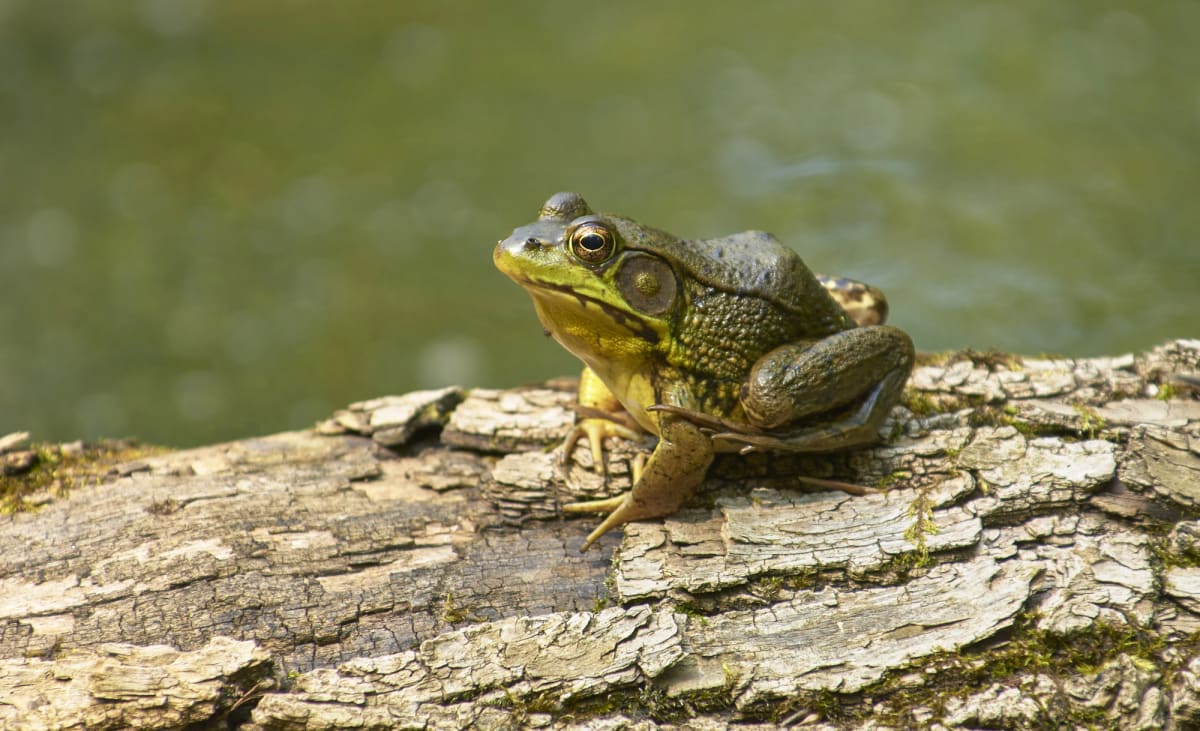
That reality might be changing, thanks to an unlikely hero: the American bullfrog.
Researchers at the University of California, San Francisco, discovered that saxiphilin—a protein naturally produced by bullfrogs—can bind to saxitoxin, the deadly poison found in contaminated shellfish. In tests published in Nature Communications, a single injection saved nine out of ten mice from a dose that would otherwise be fatal.
The toxin works by blocking sodium channels in nerve cells, which control muscle movement. Block enough of them and breathing stops. Saxiphilin intercepts the poison before it reaches those channels, acting like a molecular sponge that grabs the toxin and carries it out of the body.
What makes the finding especially promising is the protein's timing flexibility. The treatment worked whether given before, alongside, or even a full minute after toxin exposure. It was effective even at low doses.
Bullfrogs likely evolved this protein because they share freshwater habitats with cyanobacteria that also produce saxitoxin. This is the first time scientists have shown an amphibian protein can survive and function in warm mammalian bodies—a critical step for any human treatment.
Why This Inspires
Nature has spent millions of years solving survival problems that still stump modern medicine. This discovery shows we can learn from those solutions and adapt them to save human lives.
Evolutionary biologist Rebecca Tarvin from UC Berkeley notes that humans typically consume far lower toxin doses than the mice in the study received, and symptoms usually appear hours after eating. That gap could give doctors enough time to administer treatment before severe symptoms develop.
Biophysicist Daniel Minor sees even bigger possibilities. He wants to develop an affordable field test using saxiphilin so shellfish harvesters can screen their catch faster than current lab methods allow, preventing poisonings before they happen.
The protein still needs safety testing in people, and scientists want to confirm it works against the more potent toxin variants found in some shellfish. But for a condition that had zero molecular candidates until now, saxiphilin represents genuine progress.
For the first time, there's a real path forward for people facing one of the ocean's most dangerous threats.
Based on reporting by Optimist Daily
This story was written by BrightWire based on verified news reports.
Spread the positivity!
Share this good news with someone who needs it