%2Fhttps%3A%2F%2Ftf-cmsv2-smithsonianmag-media.s3.amazonaws.com%2Ffiler_public%2F63%2F62%2F63623770-2418-4dae-a0f7-c9713b343cc3%2F32539693186_7e27b3b732_c.jpg)
Bumblebees Can Feel the Beat, Scientists Discover
Scientists found that bumblebees can recognize and follow rhythms even when the tempo changes, a skill once thought exclusive to humans and a few mammals. This tiny-brained insect just proved that making sense of rhythm might be far more fundamental to life than we ever imagined.
A bumblebee's brain is the size of a sesame seed, yet researchers just discovered these fuzzy pollinators can do something remarkable: they can feel the beat.
For years, scientists believed only humans, birds, and a handful of mammals like chimpanzees could recognize rhythm. But a new study published in the journal Science proves that bumblebees can track a beat even as it speeds up or slows down.
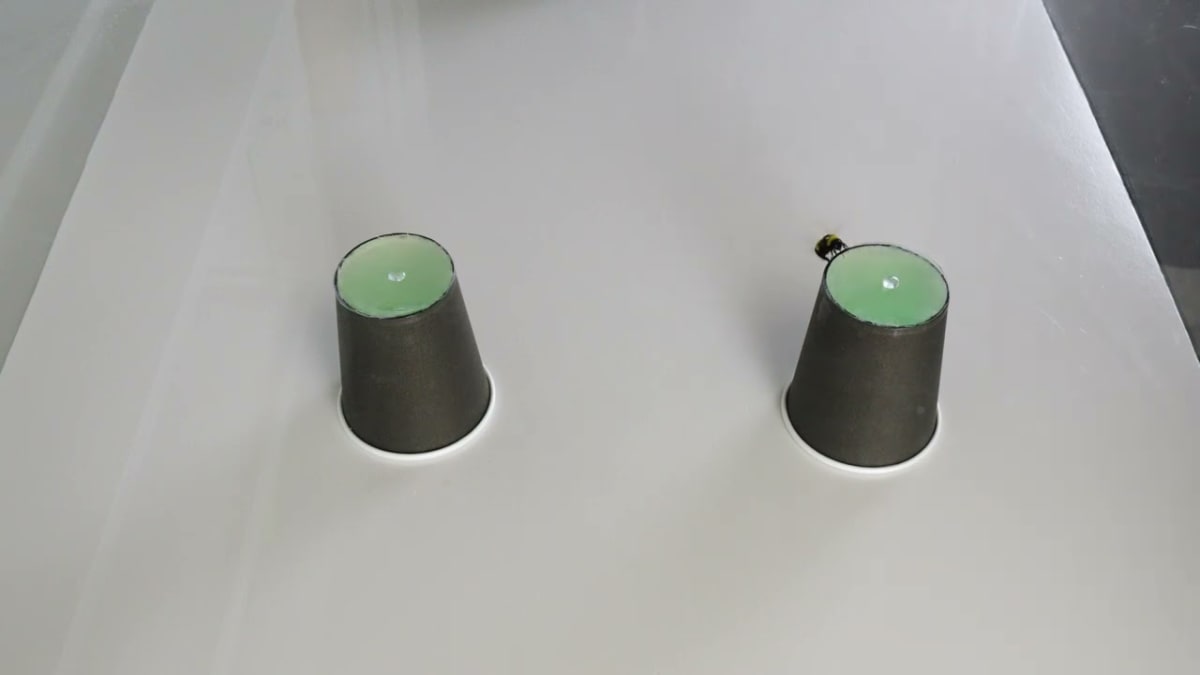
Andrew Barron, a neuroscientist at Macquarie University in Australia, wanted to test whether an animal with such a tiny brain could grasp rhythm. His team trained bumblebees to visit artificial flowers with flashing LED lights in different patterns. One pattern, like dash-dot-dash, meant sugar water awaited. Another pattern meant no reward.
The bees learned to tell the difference. Even after researchers removed the sugar water, nearly all the bees still flew to the flower that flashed the rewarding pattern.
Then the team made it harder. They sped up and slowed down the flashing patterns. The bees still recognized which rhythm meant food, proving they had learned the structure of the beat itself, not just memorized a single speed.
"Imagine you're listening to a song, and it's slowed down or sped up, but you can still recognize it," explains study co-author Cwyn Solvi. "That's not because you've memorized one single detail, but because you've grasped the whole structure."
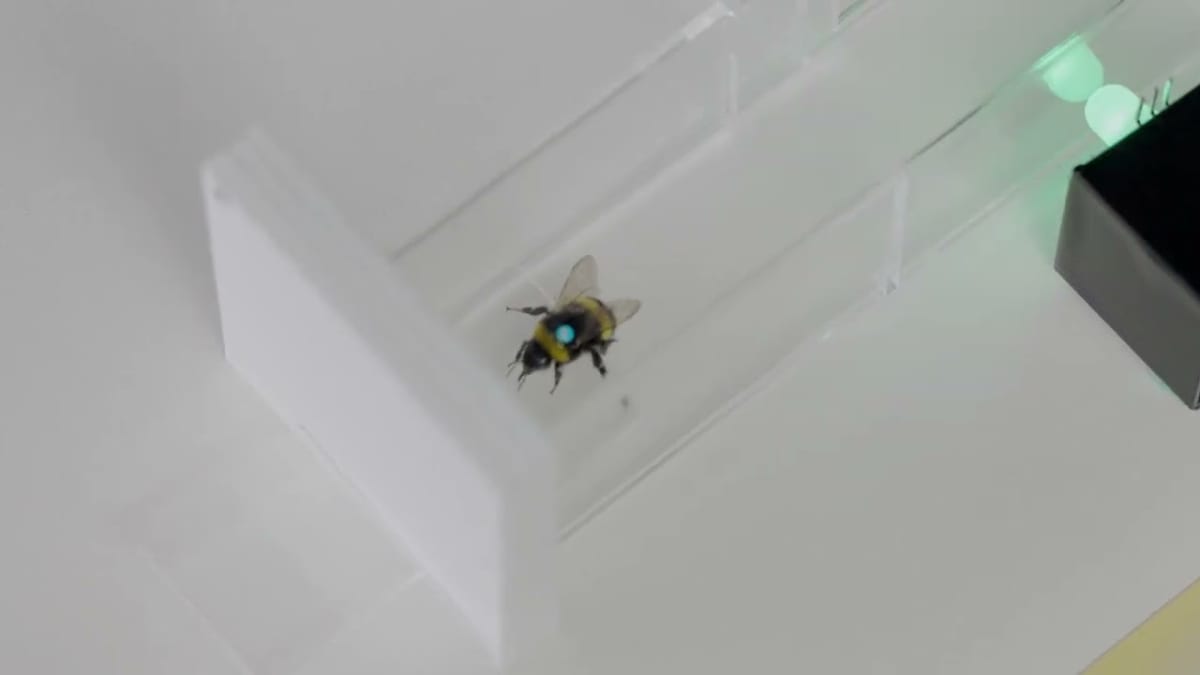
The researchers pushed further. They created a maze with a vibrating floor at the junction. One rhythm vibrating through the floor meant turn left for sugar. Another rhythm meant turn right. The bees learned to navigate using only the beat beneath their feet.
Scientists still don't fully understand how bees accomplish this with such small brains. Barron suspects their complex social world shaped this ability over millions of years. Rhythms fill a bee's natural environment, from the waggle dance that communicates flower locations to the buzz of the hive itself.
Why This Inspires
This discovery hints that rhythm sensing might have deeper evolutionary roots than anyone suspected. It's not a skill reserved for big-brained animals. It's woven into the fabric of how creatures interact with their world.
Previous research already showed bumblebees can do basic math, understand the concept of zero, and even play with toys for fun. Each discovery reveals that intelligence comes in forms we're only beginning to understand.
Understanding how bees process rhythm could help scientists build better technology. Barron envisions lightweight sensors that detect rhythmic patterns for speech recognition, diagnosing heart irregularities, or spotting pre-epileptic brain waves.
A creature smaller than your thumb, with a brain tinier than a grain of rice, just taught us that the beat goes on in ways we never imagined.
More Images
%2Fhttps%3A%2F%2Ftf-cmsv2-smithsonianmag-media.s3.amazonaws.com%2Ffiler_public%2F63%2F62%2F63623770-2418-4dae-a0f7-c9713b343cc3%2F32539693186_7e27b3b732_c.jpg)
%3Afocal(400x310%3A401x311)%2Fhttps%3A%2F%2Ftf-cmsv2-smithsonianmag-media.s3.amazonaws.com%2Ffiler_public%2F63%2F62%2F63623770-2418-4dae-a0f7-c9713b343cc3%2F32539693186_7e27b3b732_c.jpg)
Based on reporting by Smithsonian
This story was written by BrightWire based on verified news reports.
Spread the positivity!
Share this good news with someone who needs it