Bumblebees Show Pleasure When They Taste Sugar
Scientists discovered that bumblebees appear to experience genuine enjoyment, not just biological need, when tasting sweet treats. Their tiny facial movements reveal an inner emotional life we never knew existed.
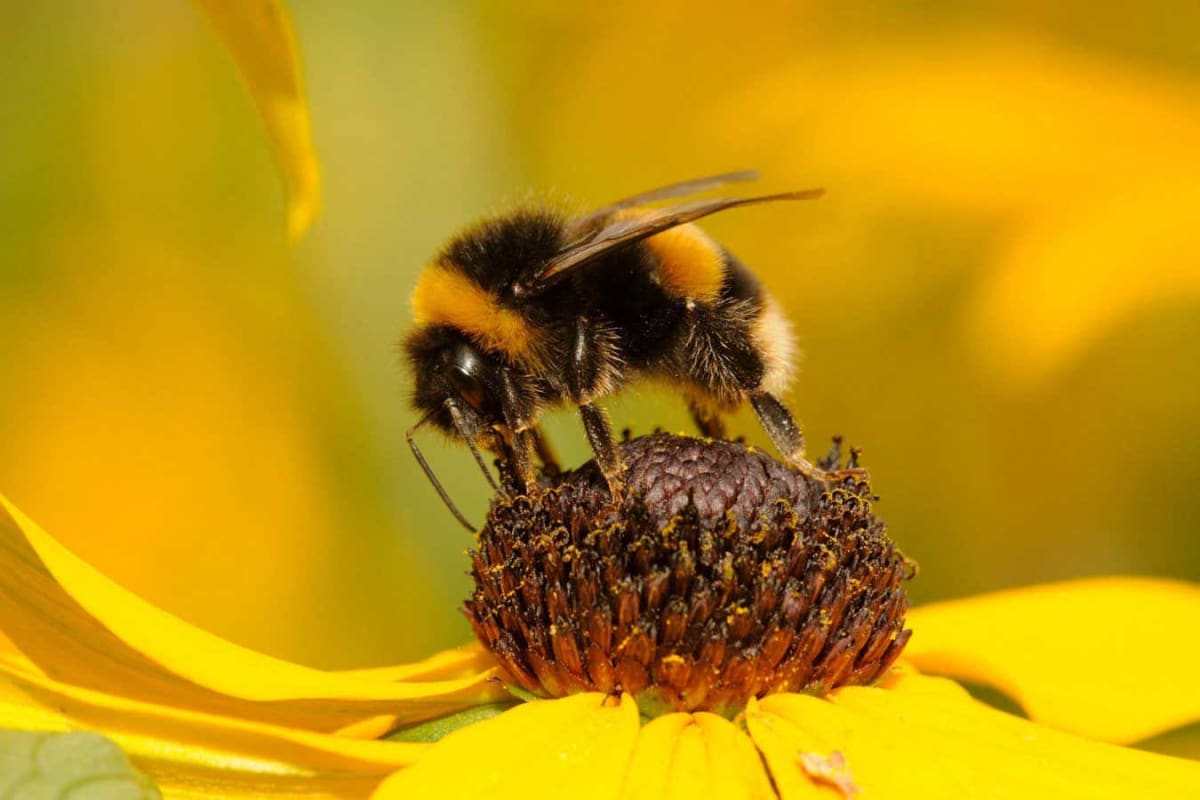
Bumblebees stick out their tongues repeatedly when they taste sugar, and researchers now believe this adorable behavior reveals something profound: insects might actually experience pleasure.
Scientists at Macquarie University in Sydney faced a unique challenge. Unlike mammals with expressive faces, bees have hard exoskeletons that make reading their emotions nearly impossible. But they found a creative solution.
The team filmed buff-tailed bumblebees tasting different liquids. When bees sipped sugar water, they stuck out their hairy tongues again and again. When they tasted bitter or salty solutions, they wiped their mouths and shook their heads like a kid rejecting vegetables.
The real breakthrough came when researchers changed the bees' internal states. They dehydrated bees using warm temperatures, then offered them salty water. Suddenly, the bees stuck out their tongues enthusiastically for the same liquid they'd rejected before.
Think about drinking an electrolyte beverage after a long run versus drinking one while sitting on your couch. Your internal state changes how you experience the exact same taste. The bees showed this same flexible response.
To confirm their findings, scientists tested chemicals that affect appetite and pleasure in mammals. Dopamine, which drives food-seeking behavior, didn't increase tongue movements. But endocannabinoids, which increase enjoyment of food, led to more tongue protrusions.
The results suggest bees aren't just running on instinct like tiny robots. They evaluate their world and experience it in ways we're only beginning to understand.
Why This Inspires
This research opens our eyes to the rich inner lives of creatures we've overlooked for centuries. Jonathan Birch at the London School of Economics calls it part of a "golden age" of insect research, where simple tools like high-resolution cameras reveal behaviors people have been missing.
The study reminds us that consciousness and emotion exist in forms we might never have imagined. Even the smallest creatures navigating flower gardens might be experiencing their own version of joy, preference, and satisfaction.
We're discovering that the boundary between complex and simple life isn't where we thought it was.
More Images

Based on reporting by New Scientist
This story was written by BrightWire based on verified news reports.
Spread the positivity!
Share this good news with someone who needs it