Busan Hospital's 8 A.M. Team Meetings Redesign Patient Lives
Every Wednesday and Friday, a Busan hospital starts an hour early with an unusual question: not just "Will this patient survive?" but "Can they truly live again?" Their 20-year model is changing how South Korea treats recovery.
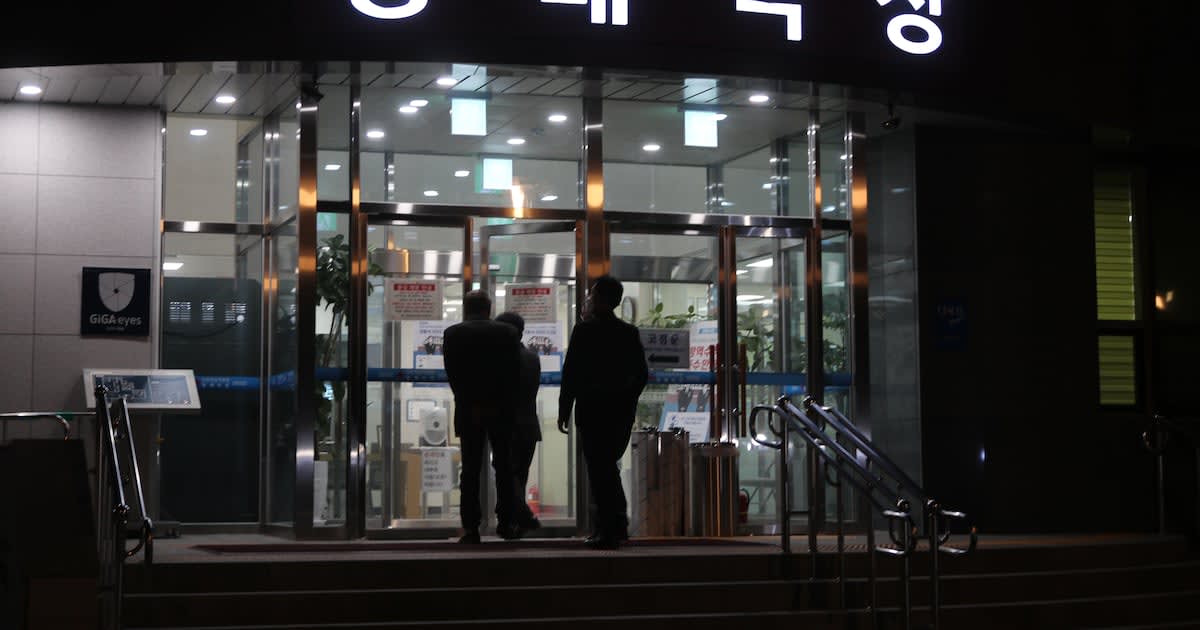
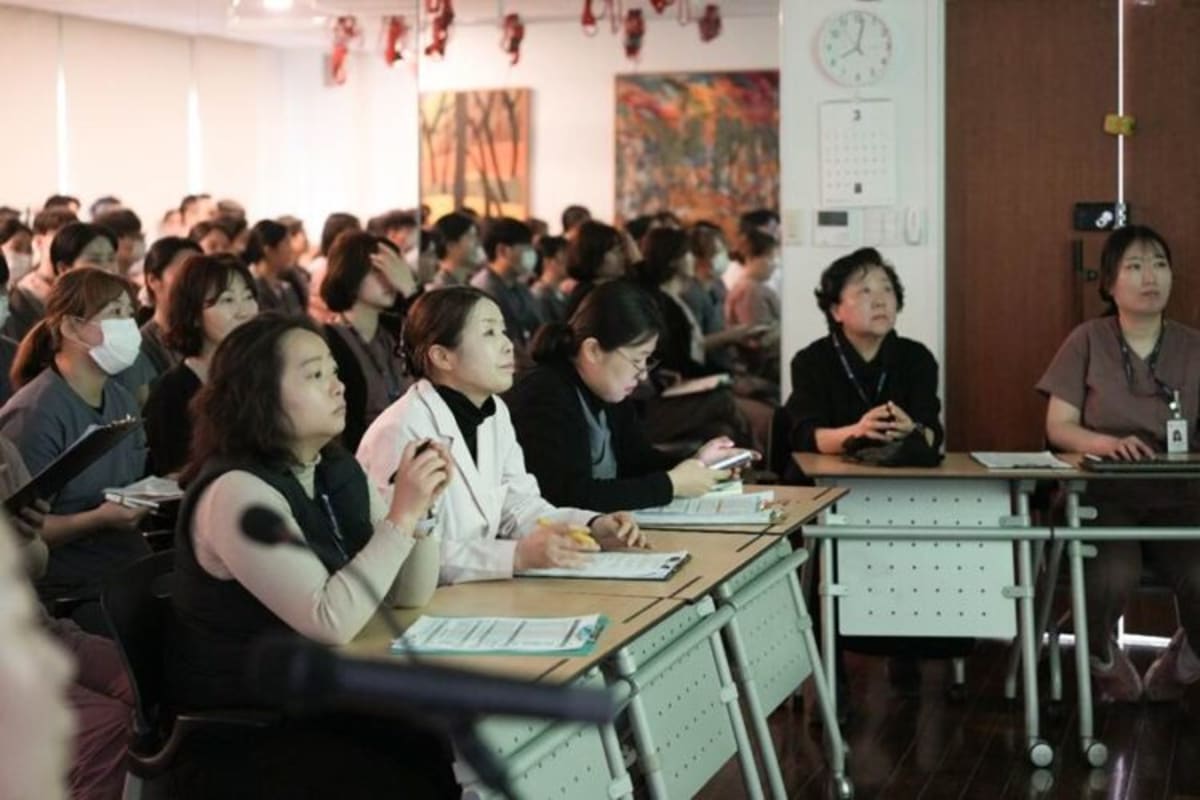
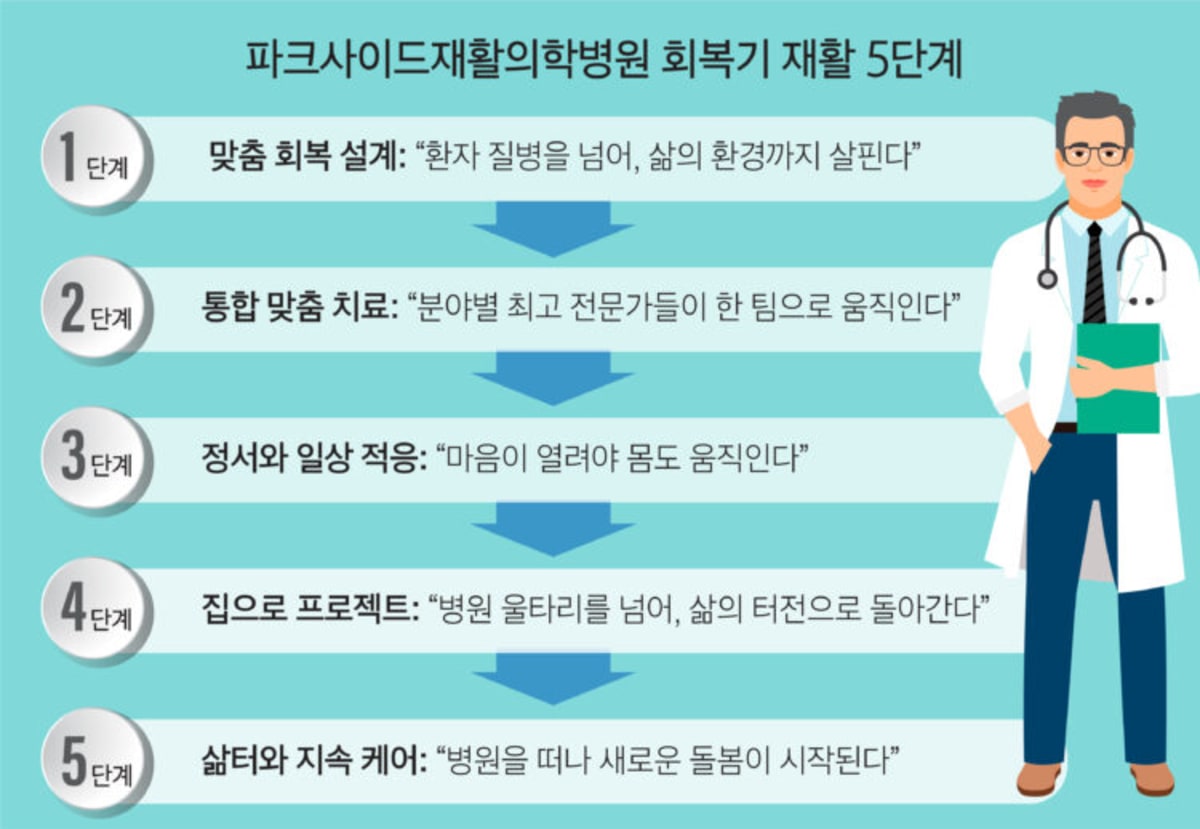
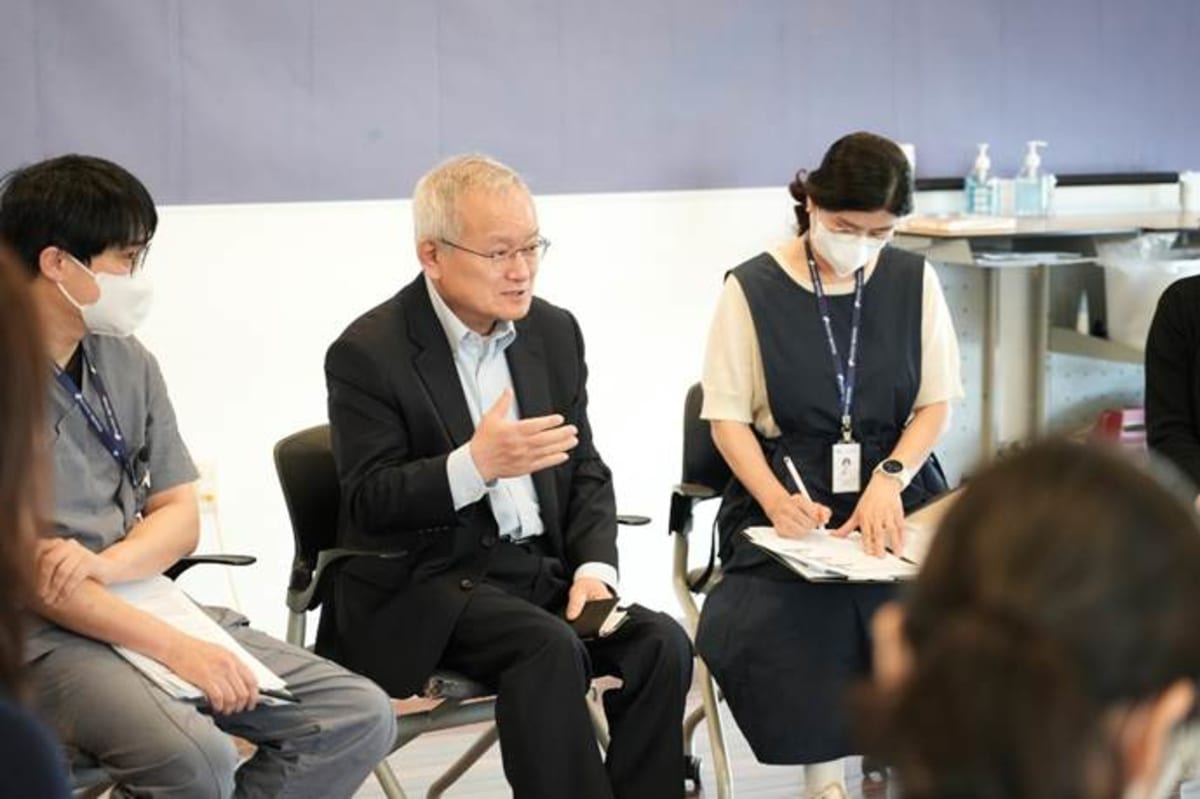
At 8 a.m. twice a week, while most hospitals are still quiet, Parkside Rehabilitation Hospital in Busan buzzes with doctors, nurses, therapists, dietitians, and social workers crowding into one conference room. They're not just reviewing medical charts—they're answering questions that determine whether a patient can swallow, speak, return home, or needs a different safe place to live.
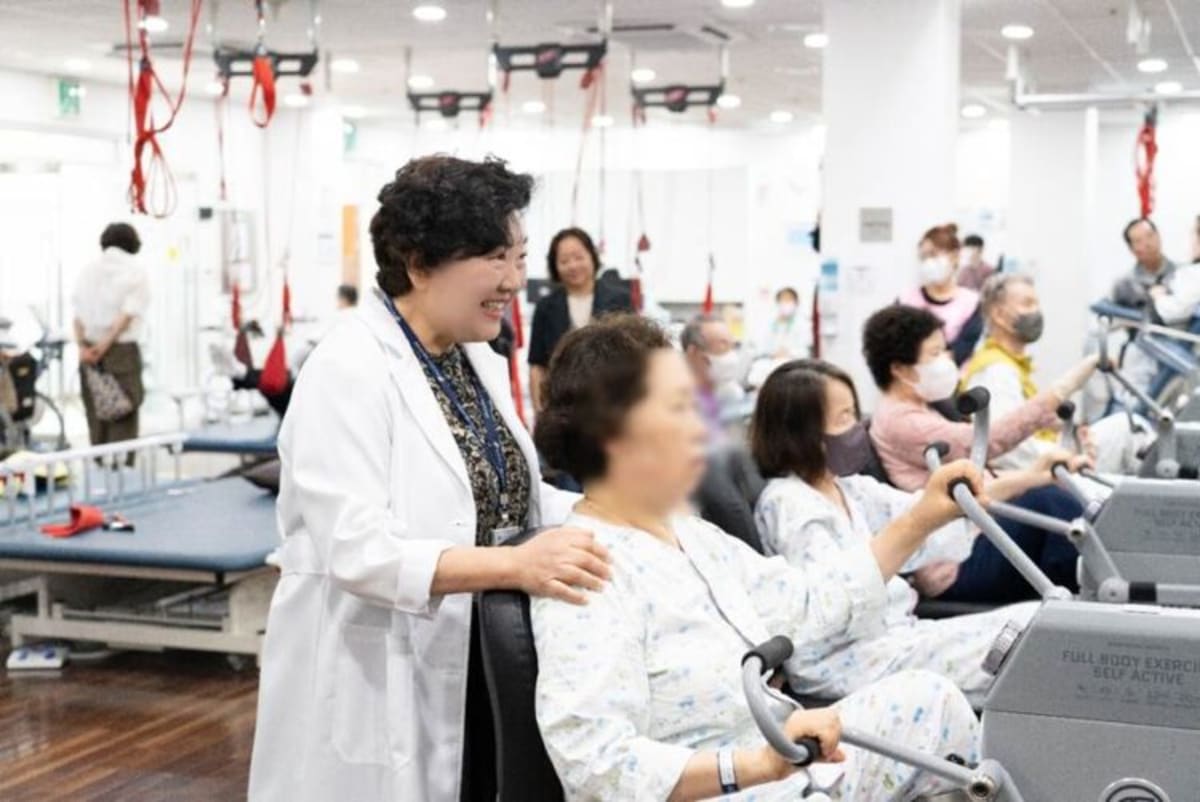
This is post-acute rehabilitation, the critical bridge between surviving a stroke or injury and actually living afterward. For 20 years, Parkside has treated patients who finished emergency care but can't go straight home because they've forgotten how to walk, eat, or move from bed to wheelchair.
Half of Parkside's patients are recovering from brain injuries that disrupted everything from movement to memory. Another quarter suffer from disuse syndrome, where their bodies essentially forgot how to function after weeks bedridden with pneumonia, cancer treatment, or other serious illness. The rest are recovering from hip fractures and spinal cord injuries.
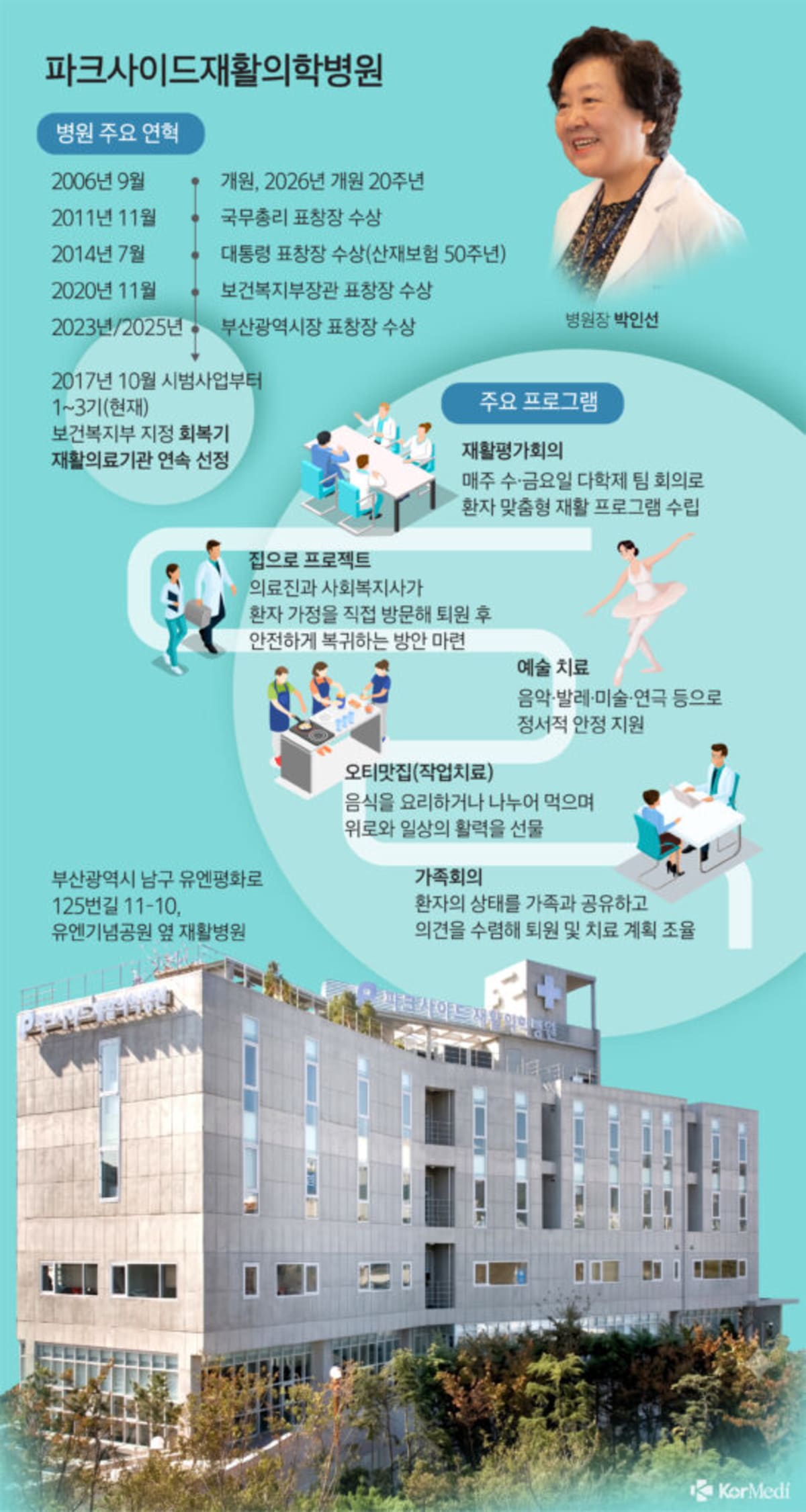
Hospital Director Park In-seon built this intensive model when South Korea's healthcare system barely recognized post-acute care as a distinct medical phase. She invited government officials to those early morning meetings to show them exactly what proper rehabilitation looks like. Today, Parkside is one of only 71 government-designated rehabilitation medical institutions nationwide and one of seven in Busan.
The designation matters because it gives disuse syndrome patients up to 180 days of intensive therapy covered by National Health Insurance, dramatically reducing family costs. That protected window makes the difference between permanent disability and meaningful recovery.
Parkside runs 95 beds with 131 staff members, including four rehabilitation medicine specialists and 64 health professionals. That's a remarkably high ratio designed to deliver the one-on-one attention that retraining a body requires.
The Ripple Effect
The Wednesday conferences evaluate every newly admitted patient across medical, functional, and social dimensions, then project their recovery trajectory and create tailored treatment plans. Friday meetings check whether those plans are working or need adjustment before discharge.
This isn't just physical therapy in a gym. It's asking whether a stroke survivor can safely live alone, whether family members can handle specialized care, and what happens if the answer is no. It's planning for the life that continues after the medical crisis ends.
South Korea now has a formal framework recognizing that survival and recovery are two different challenges requiring two different systems. Patients and families finally have places designed specifically for the long, hard work of relearning life.
More Images
Based on reporting by Google: miracle recovery
This story was written by BrightWire based on verified news reports.
Spread the positivity!
Share this good news with someone who needs it