C-Lock Builds Universal Standard for Livestock Methane Data
Scientists studying cow methane emissions can't compare their results because everyone uses different measurement tools. C-Lock Inc. is creating the first universal framework to make livestock climate research actually work together.
Billions of dollars are pouring into reducing methane from cows, but there's an embarrassing problem: scientists can't agree on how to measure it.
Right now, a researcher in Europe testing a new feed additive might get completely different numbers than a colleague in North America testing the exact same product. The cows aren't different. The science isn't different. But the measurement tools are, and that's breaking the entire system.
Here's why this matters. Methane from cow digestion carries 80 times the warming power of carbon dioxide over 20 years. With global cattle populations growing alongside demand for meat and dairy, finding solutions is urgent. Governments are writing policies. Carbon credit programs are expanding. The industry is mobilizing.
But you can't fix what you can't measure consistently.
Traditional methods each have fatal flaws. Respiration chambers are accurate but expensive and impractical for real farms. The SF6 tracer technique requires cows to wear gas collection canisters around their necks and misses how methane production changes throughout the day. Laser sensors are fast but sacrifice precision for individual animals.
When different studies use different tools, their results can't be compared. Meta-analyses become unreliable. Regulatory agencies can't trust submissions. And decades of research can't be synthesized into actual solutions.
The Ripple Effect
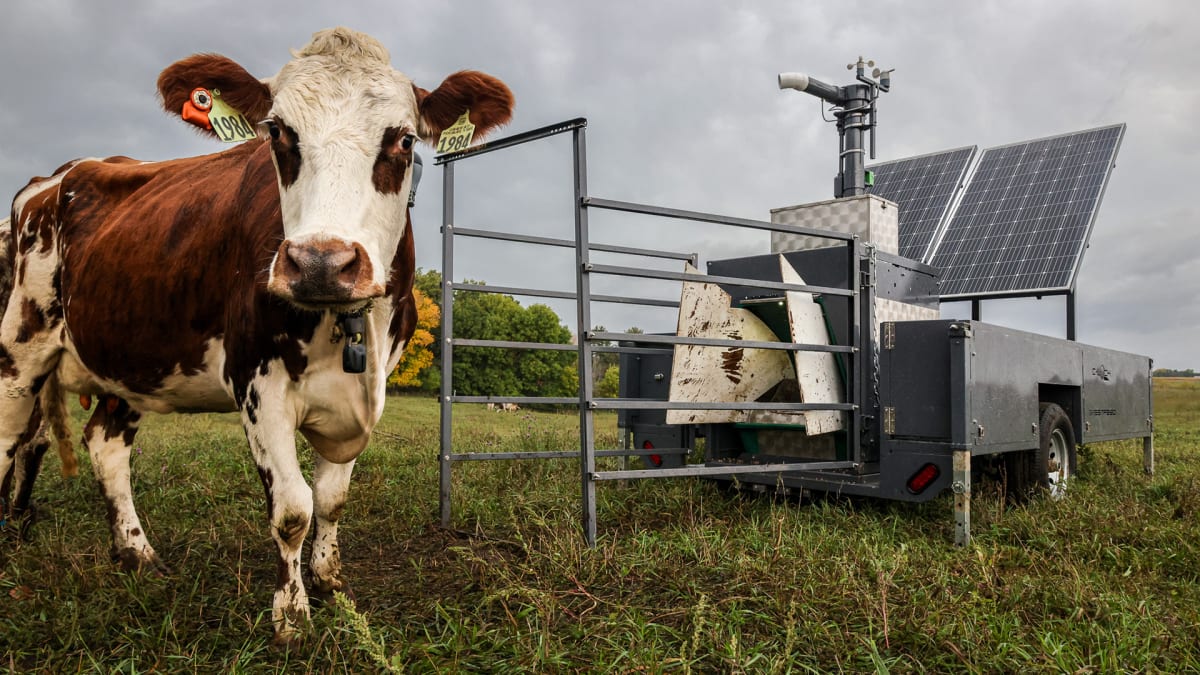
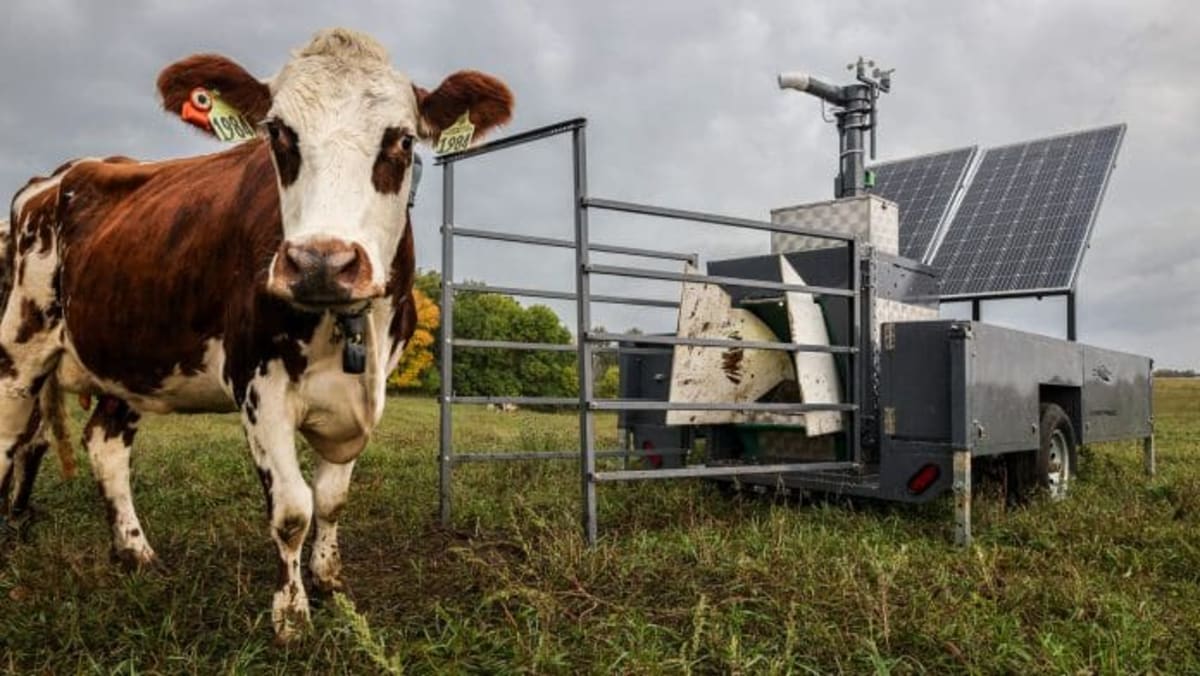
C-Lock Inc. is building something the field desperately needs: a measurement framework that works everywhere. Their approach must tick every box simultaneously. It measures individual animals, not just herd averages, capturing the genetic and dietary differences that matter for breeding programs and feed trials.
It's non-invasive, so animals behave normally instead of showing stress responses. It captures how methane fluctuates throughout the day, not just single snapshots. And crucially, it scales from controlled research labs to actual working farms.
This standardization unlocks everything that's been stuck. Researchers in lower-resource settings can finally contribute data that matches studies from well-funded facilities. Field conditions and grazing systems, currently underrepresented in research, can be studied properly. Carbon credit programs in Japan and Denmark that are formalizing data quality requirements will have a trusted standard to work from.
Funding bodies are already taking notice. Grant applications for methane mitigation research face growing scrutiny over measurement methodology, because studies without valid measurement can't make meaningful claims about emissions reduction.
The framework doesn't just help scientists publish better papers. It creates the foundation for global cooperation on one of climate science's most contested problems. When everyone speaks the same measurement language, solutions can actually scale.
A universal standard turns fragmented research into coordinated progress.
More Images


Based on reporting by Google News - Emissions Reduction
This story was written by BrightWire based on verified news reports.
Spread the positivity!
Share this good news with someone who needs it