Cairo Transforms 1,000-Year Cemetery Into Open-Air Museum
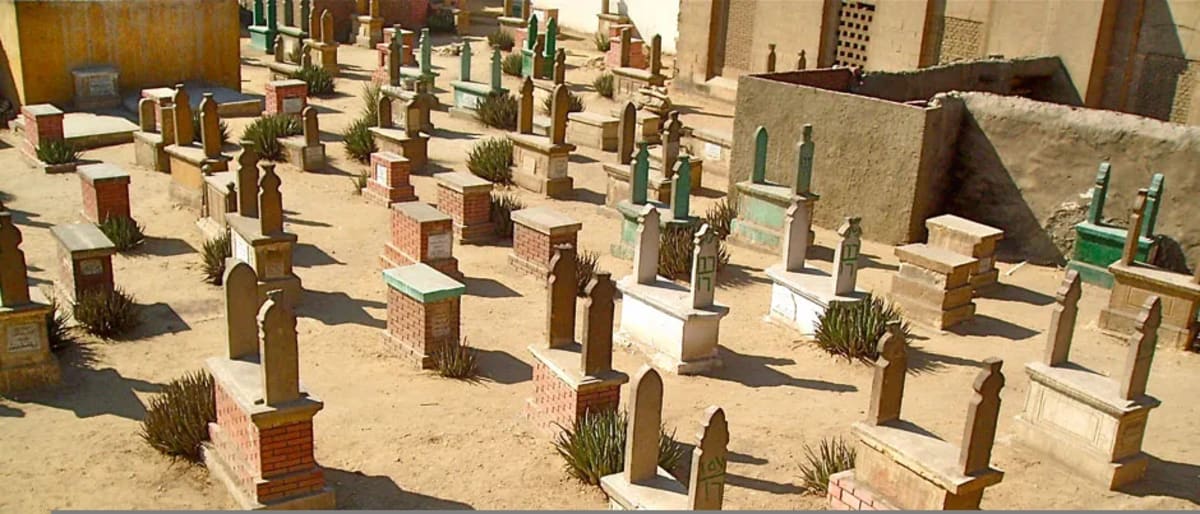
Egypt is turning the historic Al-Suyuti cemetery, home to tombs of renowned Islamic scholars, into a stunning open-air museum and cultural destination. The world's largest Islamic funerary complex will become a "garden of collective memory" while preserving its sacred character.
Cairo is breathing new life into one of the world's most significant Islamic heritage sites, transforming a 1,000-year-old cemetery into a place where history, culture, and education meet.
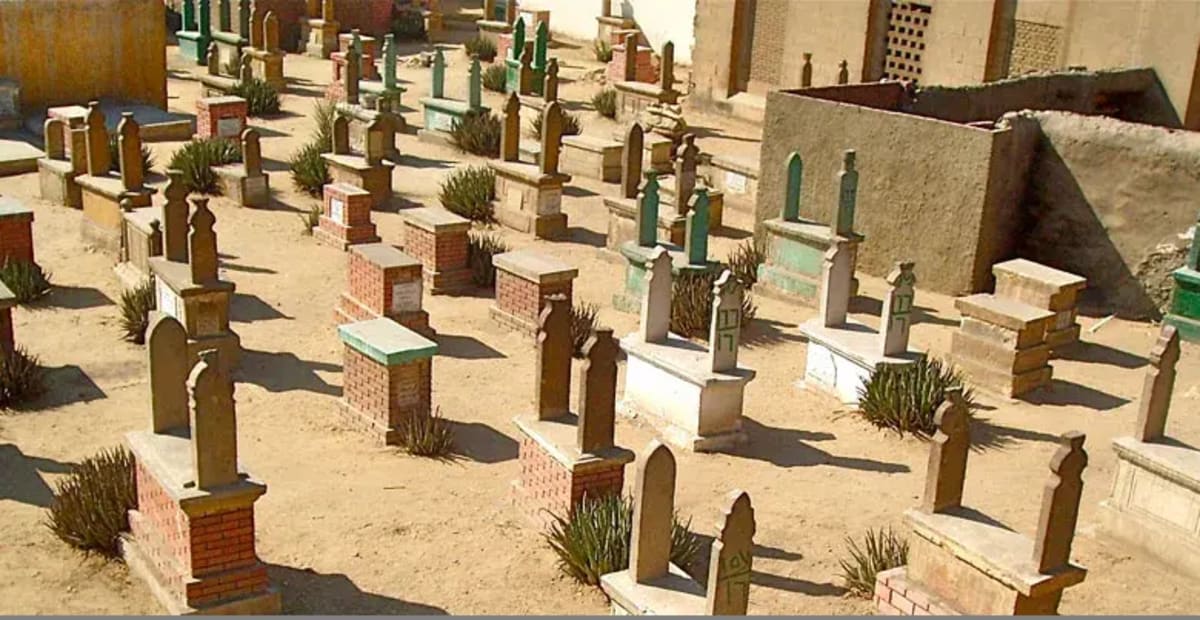
The Al-Suyuti cemetery, also known as the Mamluk cemetery, holds the tombs of prominent Muslim scholars from different Islamic schools of thought. Now, Egypt is restoring this sacred space and reimagining it as an open-air museum that celebrates Islamic art and architecture while maintaining its reverence as a burial ground.
Prime Minister Mostafa Madbouly announced the ambitious project during a progress meeting in July 2026. The restoration aligns with Egypt's broader strategy to preserve historic sites and showcase the country's rich cultural heritage to visitors worldwide.
The site spans over a millennium of history and features distinctive minarets and domes that represent masterful Islamic craftsmanship. Project consultant Mohamed Al-Khatib described it as the world's largest Islamic funerary complex, a distinction that underscores its global importance.
The vision goes far beyond simple restoration. The project will create heritage trails that tell the stories of the scholars buried there, helping visitors understand their contributions to Islamic thought and civilization.
Plans include a visitor center, specialized library, traditional crafts center, and cultural event spaces. Reflection areas will give guests space to honor the site's spiritual significance while learning from its historical treasures.
The Ripple Effect
This project connects to a constellation of nearby landmarks in Historic Cairo. The restored cemetery will link with Fustat Park, the Mosque of Amr Ibn Al-As, and the mosques of Imam Al-Shafi'i, Sayyida Nafisa, and Sayyida Aisha, creating a comprehensive cultural trail through centuries of Islamic history.
The integration extends to iconic sites like Sultan Hassan Mosque and the Salah El-Din Citadel. Together, these destinations will offer visitors an immersive journey through Egypt's Islamic heritage, potentially drawing scholars, students, and tourists from across the Muslim world and beyond.
Awqaf Minister Osama Al-Azhari emphasized that the restoration sends a powerful message about Egypt's commitment to preserving its heritage. The site's representation of different Islamic jurisprudence schools makes it uniquely significant for Muslims globally.
Diaa Zahran from the Supreme Council of Antiquities highlighted the cemetery's exceptional collection of funerary domes, many now undergoing careful restoration. These architectural gems will help visitors appreciate the artistic achievements of Islamic civilization across different periods.
Cairo Governor Ibrahim Saber pledged full support for the project, promising coordination across government agencies to ensure the restoration honors the site's historical importance. The collaborative effort brings together religious authorities, antiquities experts, and urban planners.
Egypt is proving that preservation and progress can walk hand in hand, creating spaces where the past inspires the future.
More Images
Based on reporting by Egypt Independent
This story was written by BrightWire based on verified news reports.
Spread the positivity!
Share this good news with someone who needs it