Calcium Batteries Hit 1,000 Cycles in Hong Kong Lab
Scientists in Hong Kong just solved a major hurdle for calcium-based batteries, creating a design that lasted 1,000 charge cycles while keeping most of its power. This breakthrough could offer a greener alternative to lithium batteries, using materials that are far more abundant on Earth.
The race to replace lithium batteries just got more exciting, and the winner might be hiding in your bones.
Researchers at Hong Kong University of Science and Technology have cracked a stubborn problem with calcium-ion batteries. Their new design survived 1,000 charge cycles while keeping 75% of its capacity, a milestone that brings these earth-friendly batteries much closer to real-world use.
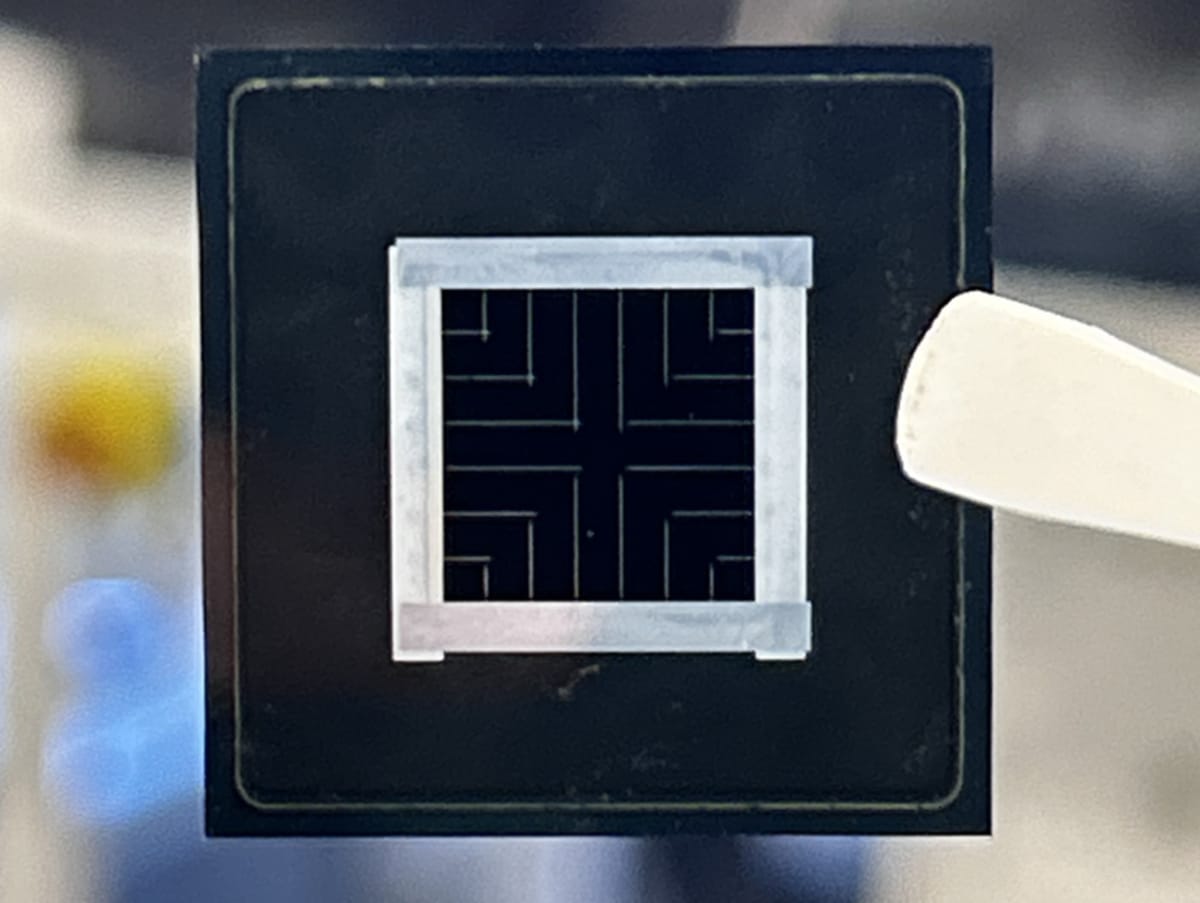
The team, led by Professor Yoonseob Kim, created special frameworks called covalent organic structures that help calcium ions zip through the battery smoothly. Think of it like building perfectly aligned highways for tiny charged particles instead of forcing them through a maze.
At room temperature, these batteries showed impressive conductivity and delivered 155.9 mAh of capacity per gram at lower speeds. That performance matches the ballpark of some commercial batteries today, proving calcium can compete.
The timing couldn't be better. Lithium mining struggles to keep pace with electric vehicle demand, and the metal itself is relatively rare in Earth's crust. Calcium, meanwhile, is the fifth most abundant element on the planet and already plays well with our bodies and environment.
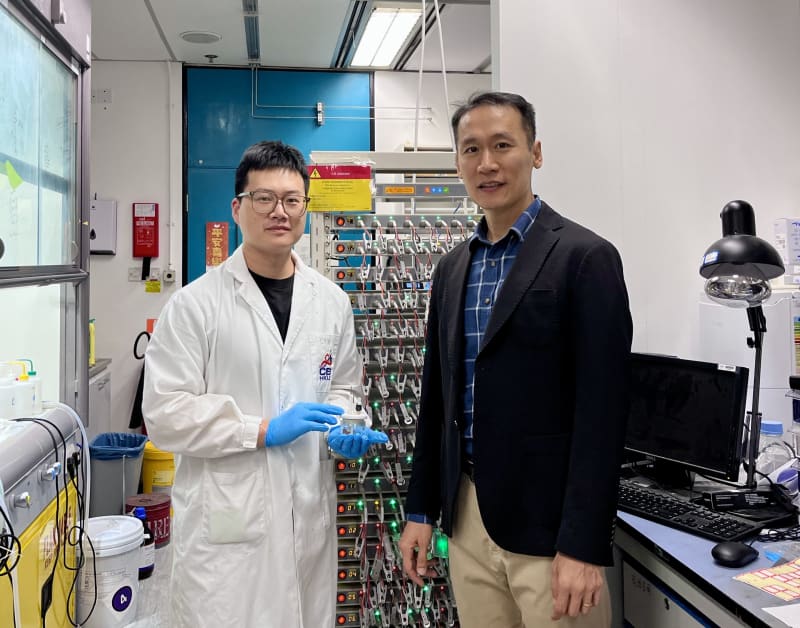
Professor Kim worked with PhD student Yin Zhuoyu and collaborators from Shanghai Jiao Tong University to combine experiments with computer simulations. They discovered that calcium ions travel rapidly along carbonyl groups lined up inside the ordered framework pores, solving the transport challenge that has plagued calcium batteries for years.
The Ripple Effect
This advancement arrives as countries scramble to secure battery supply chains for renewable energy storage and transportation. Calcium-ion batteries could power everything from home solar systems to electric buses without competing for scarce lithium resources.
The technology also sidesteps some safety concerns tied to lithium batteries, which can overheat or catch fire under certain conditions. Calcium-based systems operate with a similar electrochemical window to lithium but offer potentially safer chemistry.
Manufacturing these batteries could become easier and cheaper too, since calcium compounds cost less and don't require the complex global supply chains that lithium depends on. That accessibility could accelerate the green energy transition in developing nations where infrastructure costs matter most.
The research team published their findings in the journal Advanced Science after peer review, marking a significant step from lab curiosity to practical application. While commercial calcium batteries still need further refinement, this 1,000-cycle performance proves the concept works at scales that matter.
The path from breakthrough to battery aisle takes time, but today's lab success is tomorrow's charged-up future.
More Images

Based on reporting by Phys.org - Technology
This story was written by BrightWire based on verified news reports.
Spread the positivity!
Share this good news with someone who needs it