California Adds 9,500 Mental Health Beds in $5.8B Push
California just surpassed its mental health treatment goals two years early, creating nearly 10,000 new beds and 47,000 outpatient slots across the state. Rural and tribal communities are finally getting the care facilities they've been waiting decades for.
California is proving that big investments in mental health can actually work. The state just hit a major milestone in its effort to fix a broken behavioral health system, surpassing treatment goals set for 2028 and bringing hope to more than 5 million people who need help.
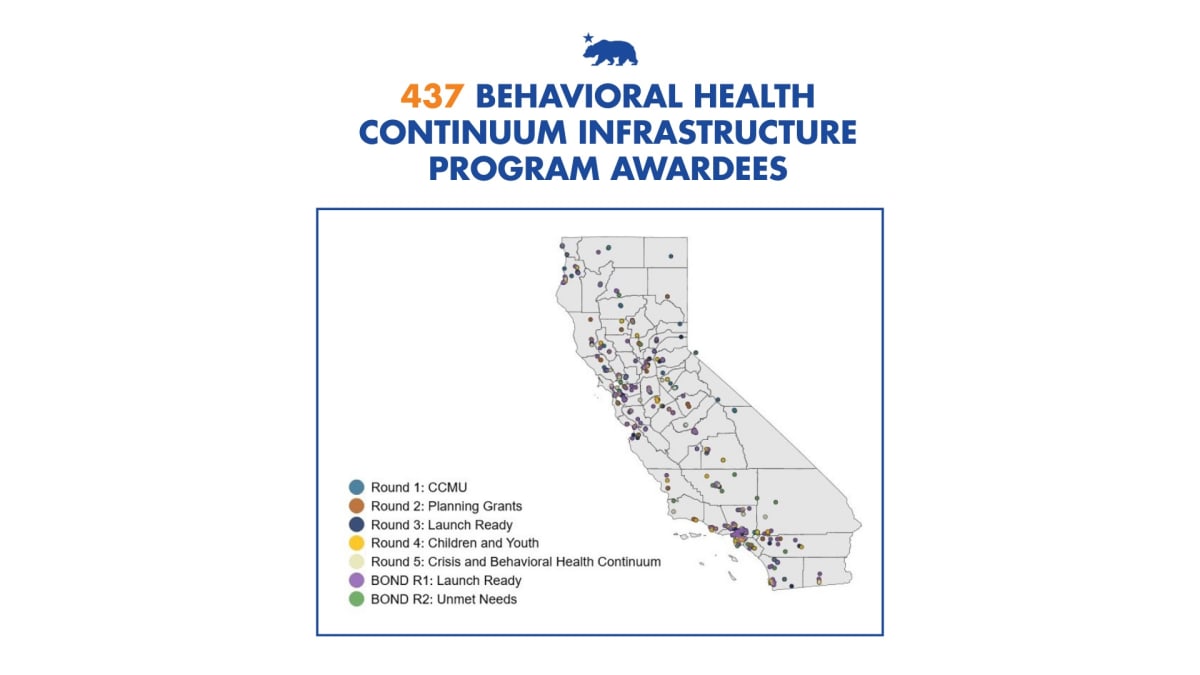
Since 2021, California has poured $5.8 billion into building mental health facilities across the state. The result? More than 9,500 new treatment beds and 47,000 new outpatient slots are now open or under construction, spread across 546 facilities in 437 projects.
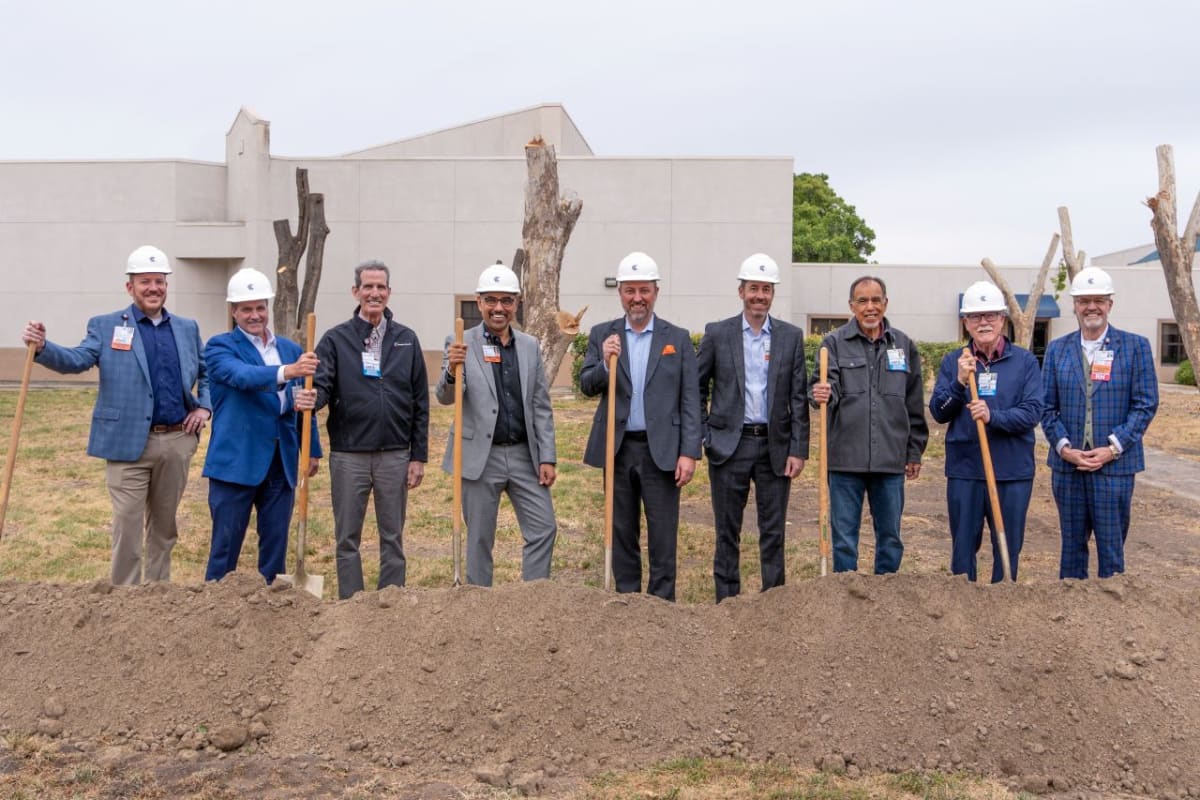
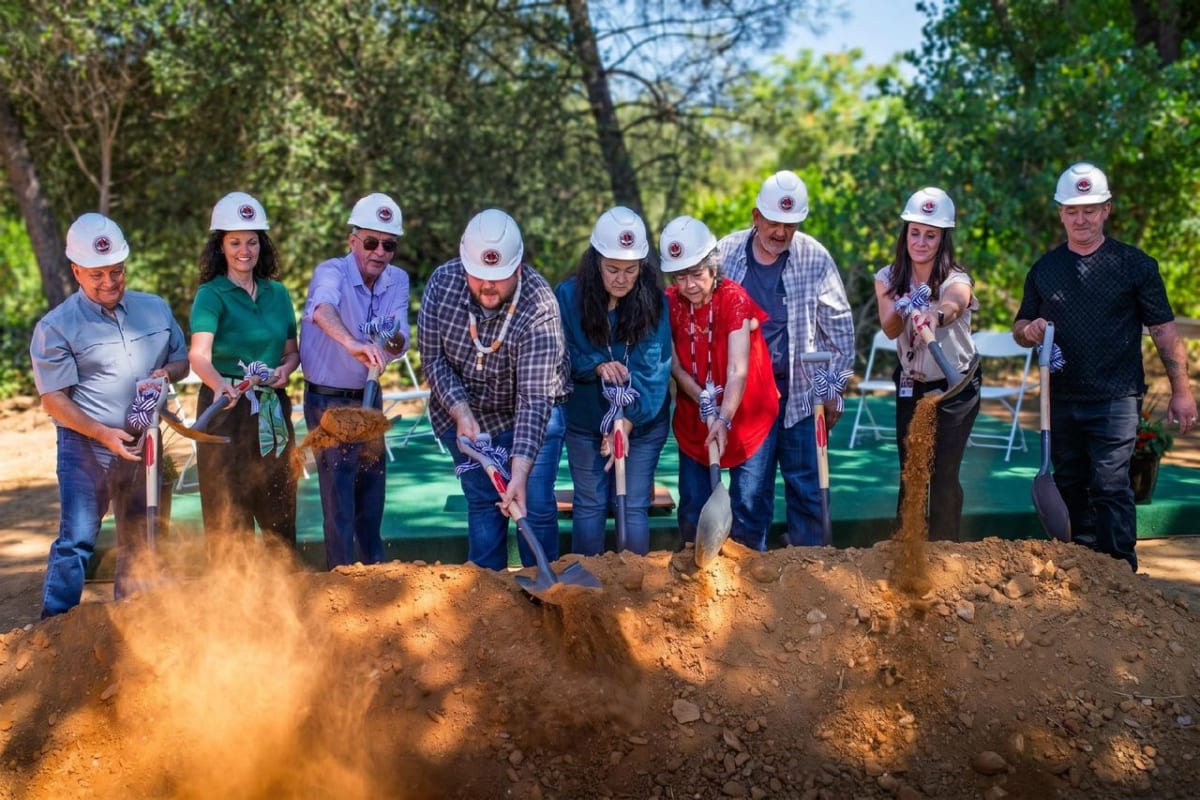
The progress is showing up in communities that have waited generations for help. In Humboldt County, the Yurok Tribe just broke ground on a wellness center that will offer 53 residential treatment beds and serve 1,300 people annually. In rural Glenn County, a new youth and family wellness center will create 197 outpatient slots for nearly 50,000 people each year.
Fifteen new projects reached major construction milestones just last quarter. These aren't paper promises. Real buildings are going up in places like Visalia, where Kaweah Delta Health Care District is adding a wing specifically for children and teens who need mental health support.
The state exceeded its own ambitious targets in just two years, thanks to voter approval of Proposition 1 in 2024. That funding has already created 6,900 residential treatment beds and 27,500 outpatient slots, with special focus on tribal, rural, and underserved areas that have been overlooked for too long.
In Tuolumne County, a new health and wellness center in Jamestown will tackle the opioid crisis with 24 treatment slots. In Mendocino County, tribal health programs are expanding to serve nearly 9,500 people annually. These facilities bring treatment close to home, so families don't have to drive hours to get help.
The Ripple Effect: The transformation is already making waves beyond mental health care. California just recorded its first statewide drop in unsheltered homelessness in 15 years, a 9% decrease that health officials credit partly to expanded behavioral health services. When people can access treatment near their communities, they're more likely to get help before crises happen and more likely to stick with recovery programs long term.
California is building the kind of mental health system that puts prevention and community care first, not just emergency responses. Every new facility represents families who will get help sooner, kids who won't slip through the cracks, and communities taking control of their own healing.
More Images
Based on reporting by Google News - New Treatment
This story was written by BrightWire based on verified news reports.
Spread the positivity!
Share this good news with someone who needs it