California Approves $59.6M for Wildlife Crossings & Salmon
California just greenlit nearly $60 million to build wildlife bridges, restore salmon habitats, and create safer paths for mountain lions and other species across 18 counties. The funding supports 27 projects that protect biodiversity while giving more Californians access to nature.
California is investing big in its wild neighbors. The Wildlife Conservation Board just approved $59.6 million for 27 projects that will help animals cross highways safely, bring salmon populations back from the brink, and restore critical habitats from the Mojave Desert to the coast.
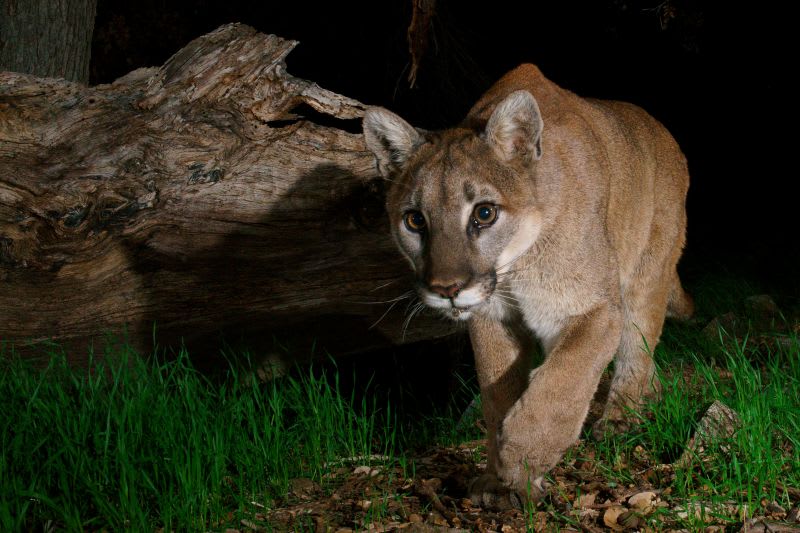
Two new wildlife crossings will reconnect fragmented habitats in Southern California. A $5.5 million grant will fund bridges over State Route 62 near Yucca Valley, linking the San Bernardino Mountains to Joshua Tree National Park. Another $4 million will design a crossing over Interstate 15 in Riverside County, creating safe passage for mountain lions traveling between the Santa Ana and Palomar mountains.
"The proposed wildlife crossings will restore natural movement of animals, reduce dangerous wildlife-vehicle collisions and strengthen the ecosystems that sustain us," said Kelly Herbinson of Mojave Desert Land Trust. The crossings protect both wildlife and people by preventing deadly accidents on California roads.
Five salmon restoration projects received major funding as part of California's strategy to save the iconic fish. A $2.9 million grant will restore the East Fork Scott River in Siskiyou County, adding cold-water channels and wood structures that give endangered coho salmon the habitat they desperately need. Other projects will improve spawning grounds for Chinook salmon and steelhead across Marin, Tehama, Sonoma, and Tuolumne counties.
The projects advance California's ambitious 30x30 goal to conserve 30 percent of the state's lands and coastal waters by 2030. Governor Newsom championed the initiative to fight climate change while expanding nature access for all Californians.
Beyond wildlife corridors and salmon streams, the funding includes $1.75 million to restore nearly 900 acres of oak woodlands and grasslands at Pepperwood Preserve in Sonoma County. The project brings back cultural burning practices as part of indigenous land stewardship while creating habitat for threatened pollinators and wildlife.
The Ripple Effect
These investments do more than help individual species survive. Wildlife crossings prevent about 200 collisions per year on California roads, saving human lives and billions in vehicle damage. Restored salmon habitats support entire ecosystems, from the insects that feed on salmon carcasses to the bears and eagles that depend on salmon runs. Healthy floodplains also filter water, reduce flooding, and store carbon.
The projects create jobs in environmental science, construction, and land management while strengthening communities that depend on healthy ecosystems. Indigenous fire practices at Pepperwood Preserve honor traditional knowledge while reducing wildfire risk for nearby residents.
California is proving that protecting wildlife and people aren't competing goals but complementary ones, building a future where both can thrive together.
Based on reporting by Google News - Wildlife Recovery
This story was written by BrightWire based on verified news reports.
Spread the positivity!
Share this good news with someone who needs it