California Bees Fight Off Deadly Mites Naturally
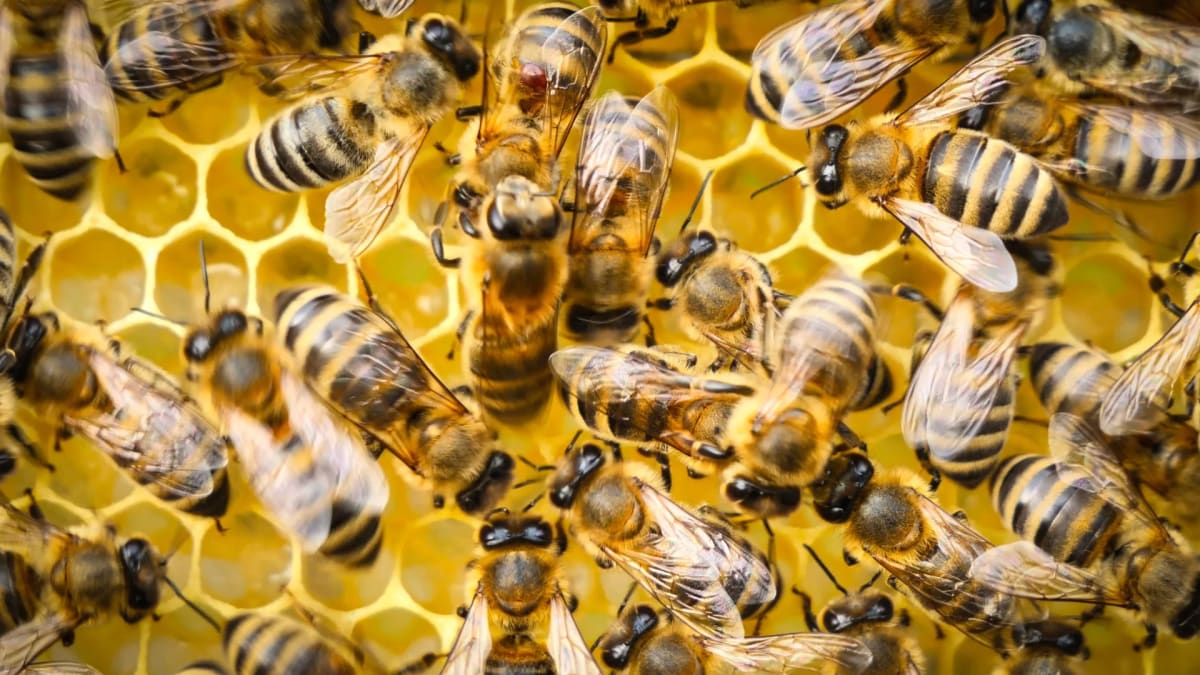
A unique hybrid honeybee in Southern California is naturally resisting the parasites killing colonies nationwide. These bees carry 68% fewer mites than commercial hives and could help save struggling pollinators.
While beekeepers across America lost up to 62% of their honeybee colonies last year, a scrappy group of California bees is thriving against the odds.
Researchers at UC Riverside discovered that a naturally occurring hybrid bee in Southern California has developed a surprising defense against Varroa mites, the deadly parasites devastating honeybee populations. These aren't lab-created super bees but a tough mix of feral bees that have quietly adapted to survive.
The numbers tell an encouraging story. Colonies led by these locally raised hybrid queens carried about 68% fewer mites compared to commercial colonies. They were also more than five times less likely to need chemical treatments to survive.
"We kept hearing anecdotally that these Californian honeybees were surviving with way fewer treatments," said Genesis Chong-Echavez, the graduate student who led the study. She tracked 236 colonies over three years to understand what beekeepers were seeing in the field.
The threat these bees are fighting is serious. Varroa mites feed on honeybee tissue that supports immune function, metabolism, and energy storage. The weakened bees lose weight, catch diseases more easily, and die younger.
What makes these California bees special is their mixed heritage. Genetic studies show they combine traits from at least four honeybee lineages, including African, Eastern European, Middle Eastern, and Western European varieties. Most come from feral colonies living in trees rather than managed hives.
The Bright Side
The most exciting discovery happened in the lab. When researchers tested whether mites were equally attracted to larvae from different bee types, they found something remarkable. Mites showed less interest in larvae from the hybrid California bees, especially around seven days old when larvae are typically most vulnerable.
This early stage resistance suggests the defense isn't just about adult bee behavior. The trait may be genetically built into the bees themselves, offering a foundation for natural solutions that don't rely on chemicals.
Professor Boris Baer, who co-authored the study, credits beekeepers for sparking the research. "This question did not start in the lab," he said. "It started in conversations with beekeepers."
The findings matter beyond California. Honeybees pollinate crops worth billions of dollars, and their populations face mounting pressure from pesticides, climate change, and shrinking habitats. Natural resistance could help strengthen bee populations everywhere.
Researchers are clear these bees aren't completely mite-free, and current management practices remain important. The next step is identifying the specific genetic and chemical signals that make these larvae less attractive to mites, then exploring how those traits could support breeding programs.
At a time when pollinator decline feels overwhelming, nature may already be working on solutions we just need to recognize and support.
Based on reporting by Science Daily
This story was written by BrightWire based on verified news reports.
Spread the positivity!
Share this good news with someone who needs it