California Bets on Safer Batteries Built for Extreme Heat
California is deploying 500 MWh of sodium-ion batteries that work in desert heat without complex cooling systems. The technology could make renewable energy storage safer and cheaper across the hottest parts of the state.
California just made a big bet on batteries that don't need air conditioning to survive the desert.
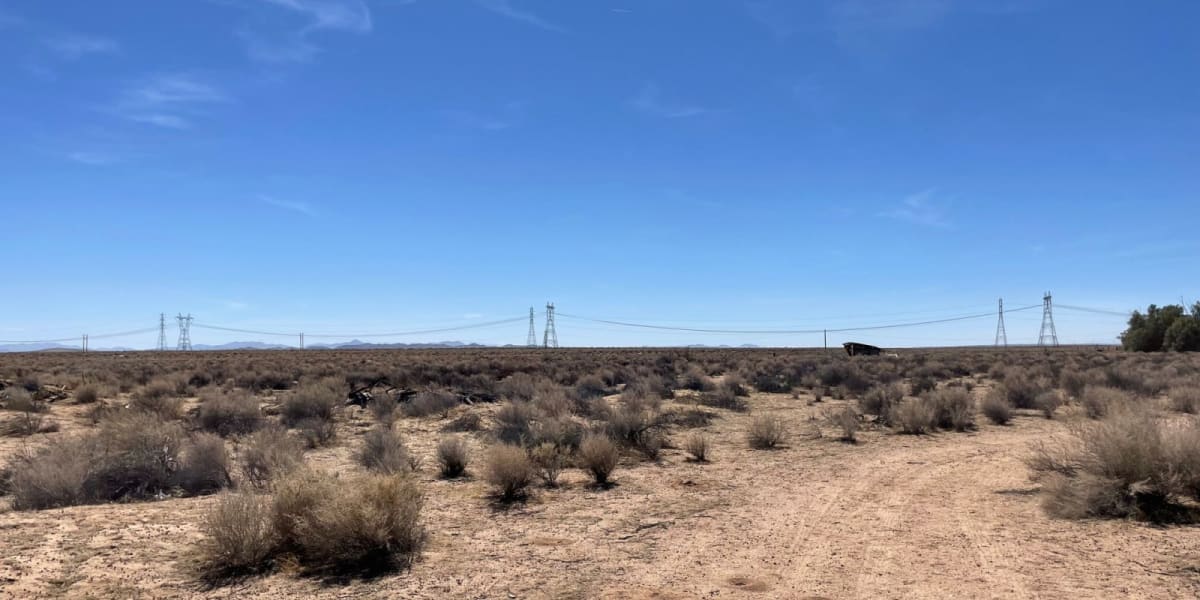
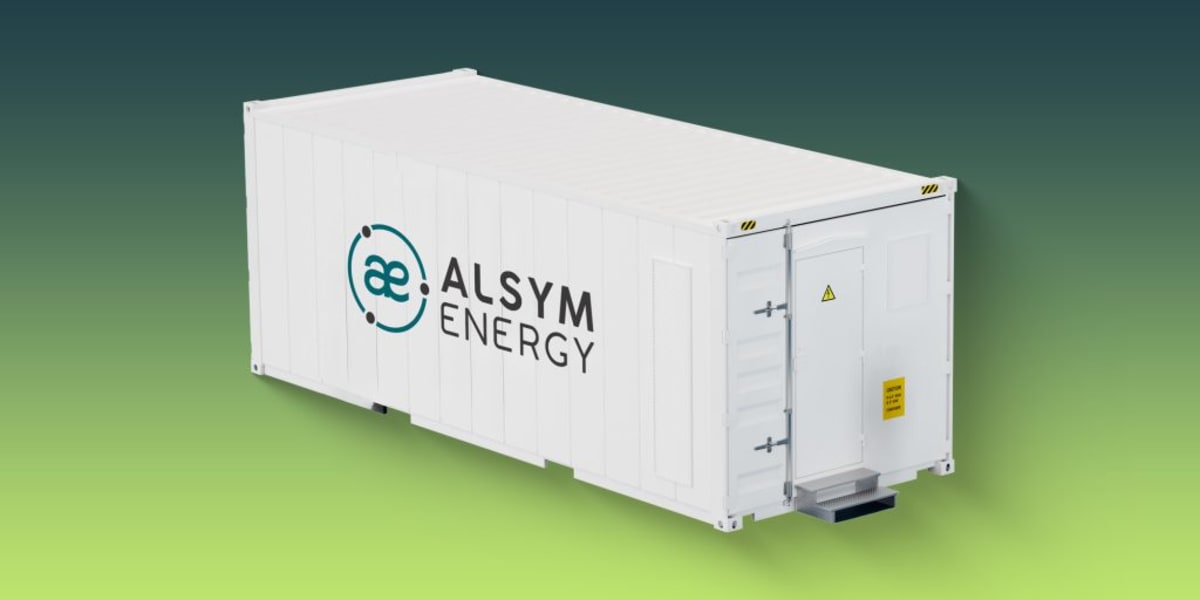
Juniper Energy is partnering with Alsym Energy to deploy 500 megawatt-hours of sodium-ion battery storage across California, including projects in the scorching Mojave Desert. Unlike traditional lithium-ion batteries that need expensive cooling systems to prevent overheating and fires, these new batteries can handle extreme temperatures on their own.
The technology addresses a real problem. California's grid desperately needs storage to capture solar energy during the day and release it at night, but the state's hottest regions are exactly where traditional batteries struggle most.
Alsym's Na-Series batteries are designed to avoid thermal runaway, the dangerous chain reaction that can lead to battery fires. The company says its batteries operate safely without active cooling, which could slash both upfront construction costs and long-term maintenance expenses for developers.
The batteries charge in just 30 minutes and can handle multiple charging cycles each day. That flexibility means operators can earn revenue from different services like shifting solar energy to evening hours or helping stabilize the grid's frequency.
Keith McDaniels, Juniper Energy's founder, says his team spent years searching for alternatives to lithium-ion technology before choosing sodium-ion. "After several years of evaluating the non-lithium landscape, it became clear that sodium-ion is the premier solution for the next generation of California's grid," he said.
There's another advantage beyond performance. Alsym manufactures its batteries domestically using US-sourced materials, which helps projects qualify for bigger federal tax credits and improves the overall economics.
The Ripple Effect
This partnership signals something bigger than one storage project. Sodium-ion technology is proving itself ready for real-world deployment at scale, moving beyond pilot programs to serious grid infrastructure.
For stationary storage, sodium-ion batteries have a key advantage over their use in electric vehicles. Grid storage projects don't need to worry as much about squeezing every bit of energy into the smallest, lightest package possible. That opens the door for different battery chemistries that prioritize safety, cost, and durability over energy density.
The timing matters too. As California pushes toward 100% clean energy, the state needs massive amounts of storage that can reliably work in every climate zone, from foggy coastlines to triple-digit desert summers.
The first phase focuses on multi-megawatt projects across California, with plans to expand to Juniper's broader pipeline over time. If these projects prove successful in California's punishing heat, the technology could spread to other hot climate regions worldwide that face similar storage challenges.
Clean energy just got a solution that can take the heat.
More Images

Based on reporting by Electrek
This story was written by BrightWire based on verified news reports.
Spread the positivity!
Share this good news with someone who needs it