California brings beavers back after 70 years with amazing results
After a decade-long drought, a tribal leader spotted ancient beaver artwork on his reservation and realized the solution was hiding in plain sight. California's first beaver restoration in 70 years is now transforming landscapes and reconnecting tribes with their heritage.
Kenneth McDarment had walked past the 500-year-old beaver pictograph on California's Tule River Indian Reservation countless times, never imagining it held the answer to his community's water crisis.
When severe drought hit about a decade ago, tribal leaders searched desperately for water conservation solutions. McDarment looked at the ancient Yokuts artwork again and suddenly understood what his ancestors had been telling him all along.
If beavers once thrived here and managed water naturally, bringing them back might solve their modern drought problems. "Sometimes you need to just look at things more often," McDarment told researchers.
That revelation sparked something historic. After years of tribal advocacy, California launched its first beaver restoration program in seven decades in 2021, partnering with the Tule River Tribe and Maidu Summit Consortium.
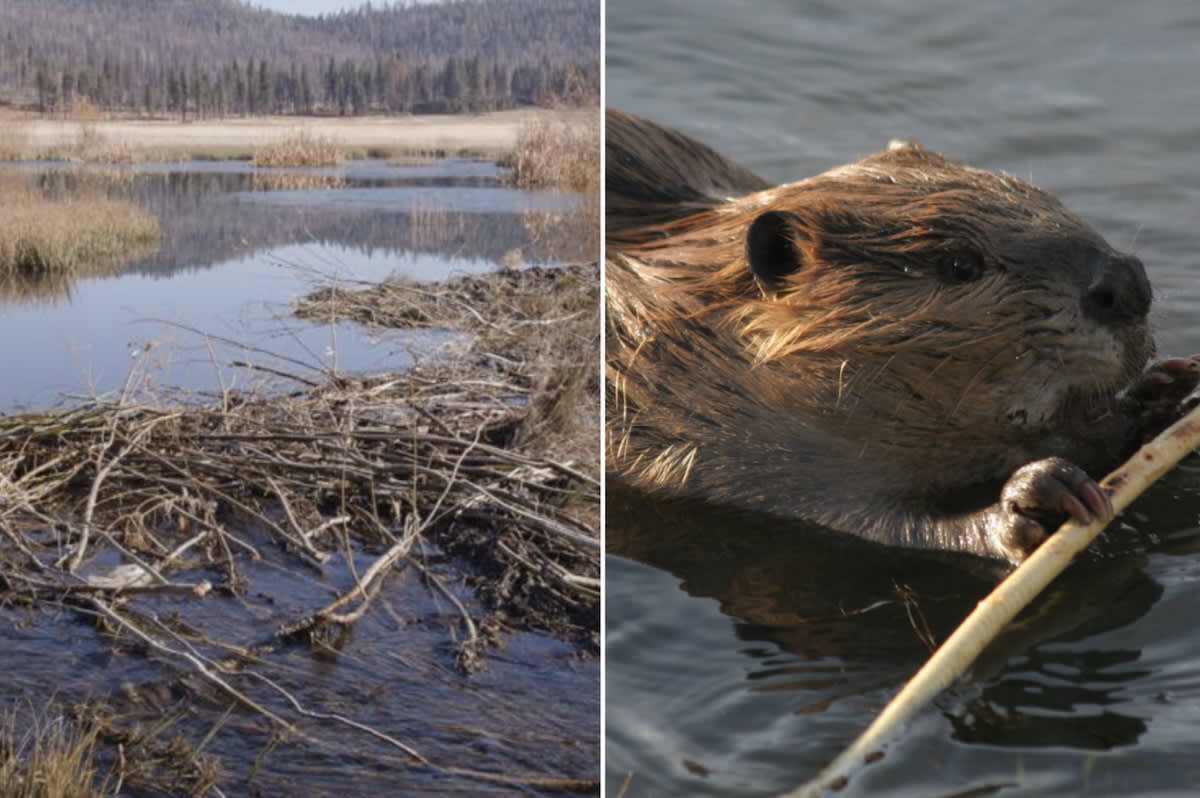
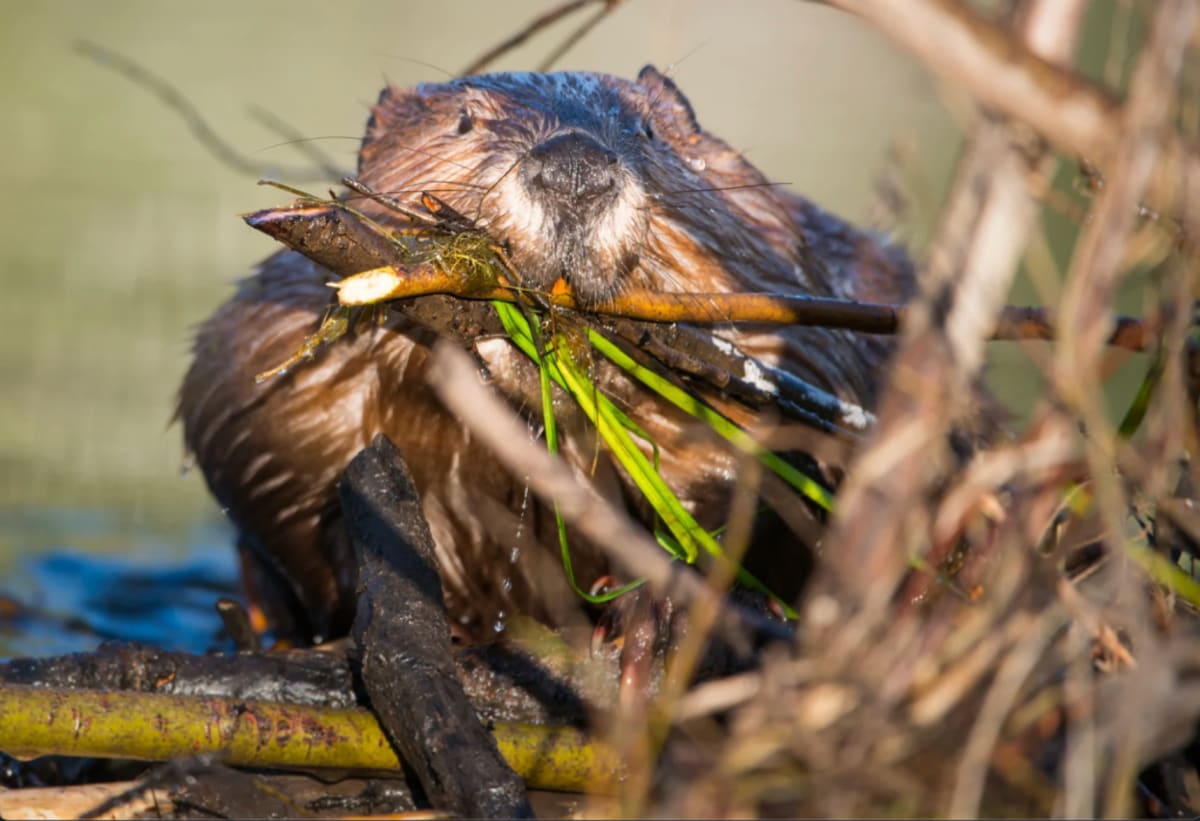
On October 18, 2023, seven beavers splashed into their new home at Tásmam Koyóm, a 2,325-acre valley in Plumas County. By September 2024, that number grew to 28 beavers across five sites.
"You just saw this tiny brown furball catch a ride on the back of his sibling's tail, and it looked like he was surfing," said Valerie Cook, the state's beaver restoration program manager. "That moment will go down as one of the highlights of my entire career."
The beavers came from areas where they caused flooding problems, giving them a chance to use their engineering skills where they're desperately needed. "We can make our future different from our past," declared California Department of Fish and Wildlife Director Charlton H. Bonham during the first release.
The results have stunned even the optimists. At Tásmam Koyóm meadow, relocated beavers built a 328-foot dam that increased water coverage by more than 22 percent.
"They are really powerful ecosystem engineers," Emily Fairfax, an ecohydrologist at the University of Minnesota, told Mongabay. "The number of services they provide and ways they build resilient landscapes is honestly too much to just rattle off all at once."
The Ripple Effect
The beaver wetlands are transforming entire ecosystems. Research shows beaver-created areas burn significantly less during wildfires, experiencing only about one-third the vegetation loss compared to areas without beaver activity.
The ponds act like natural water treatment plants, filtering pollutants and trapping sediments while beneficial microorganisms break down harmful compounds. During droughts, the dams slowly release stored water, keeping streams flowing when they'd otherwise run dry.
For the Mountain Maidu and Tule River tribes, these aren't just environmental wins. Tásmam Koyóm Meadow was forcibly taken from the Mountain Maidu nearly two centuries ago and wasn't returned until 2019.
Four years later, the beaver, called hi-chi-hi-nem by the Mountain Maidu and considered family, finally came home. It's a moment of healing that connects ancient wisdom with modern conservation, proving that sometimes the best path forward is the one our ancestors already showed us.
More Images


Based on reporting by Upworthy
This story was written by BrightWire based on verified news reports.
Spread the positivity!
Share this good news with someone who needs it