California Condors Nest in Pacific Northwest After 100 Years
A pair of young California condors are incubating what could be the first egg in the Pacific Northwest in over a century, marking a powerful milestone for a species that once numbered just 22 birds. The Yurok Tribe, who released the condors in 2022, considers this nesting attempt a sacred homecoming.
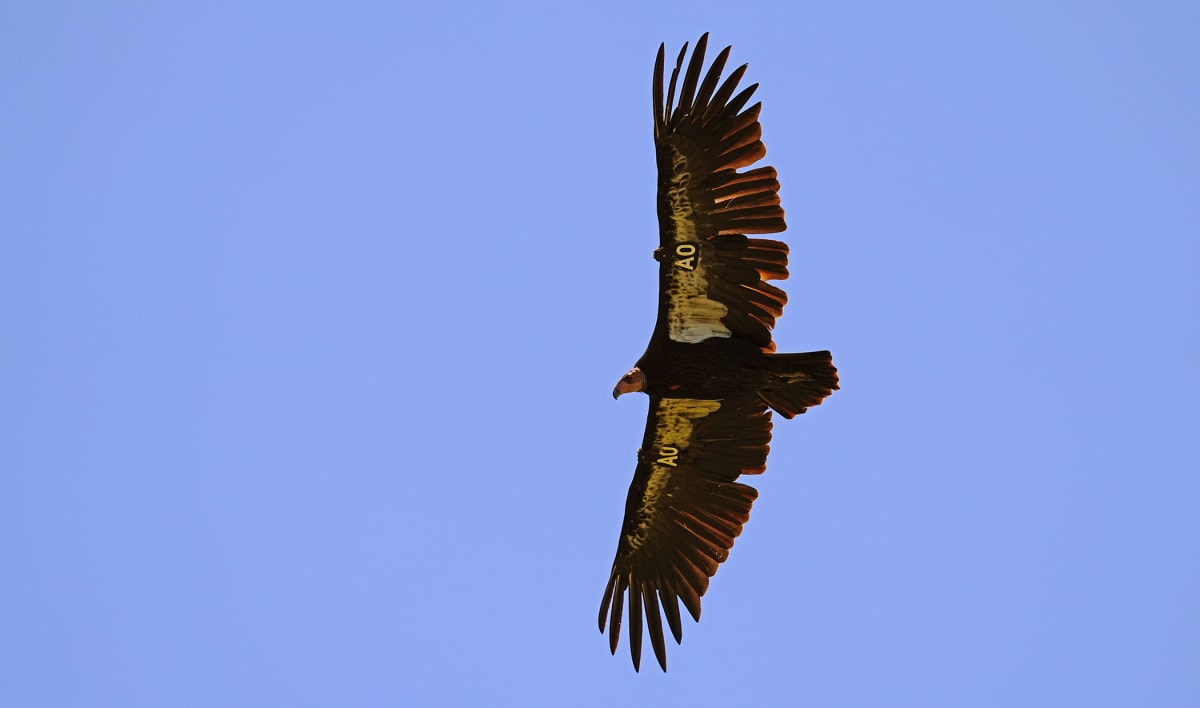
For the first time in more than 100 years, California condors are nesting in the Pacific Northwest, and the historic moment is unfolding in an old-growth redwood tree on Yurok tribal land.
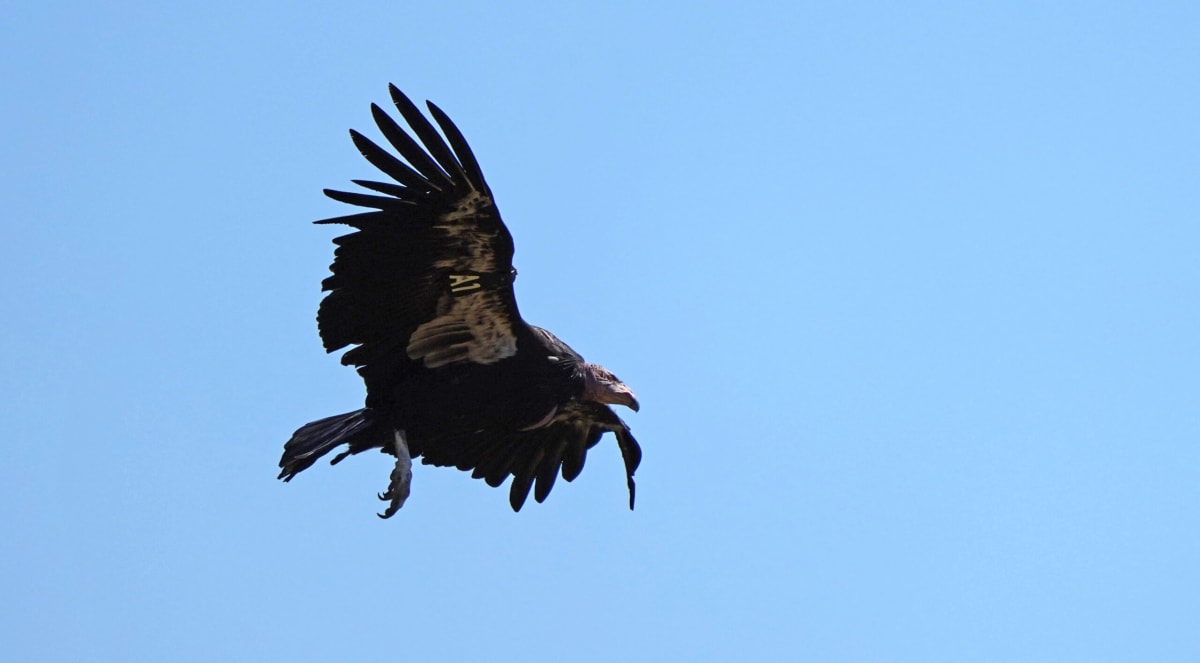
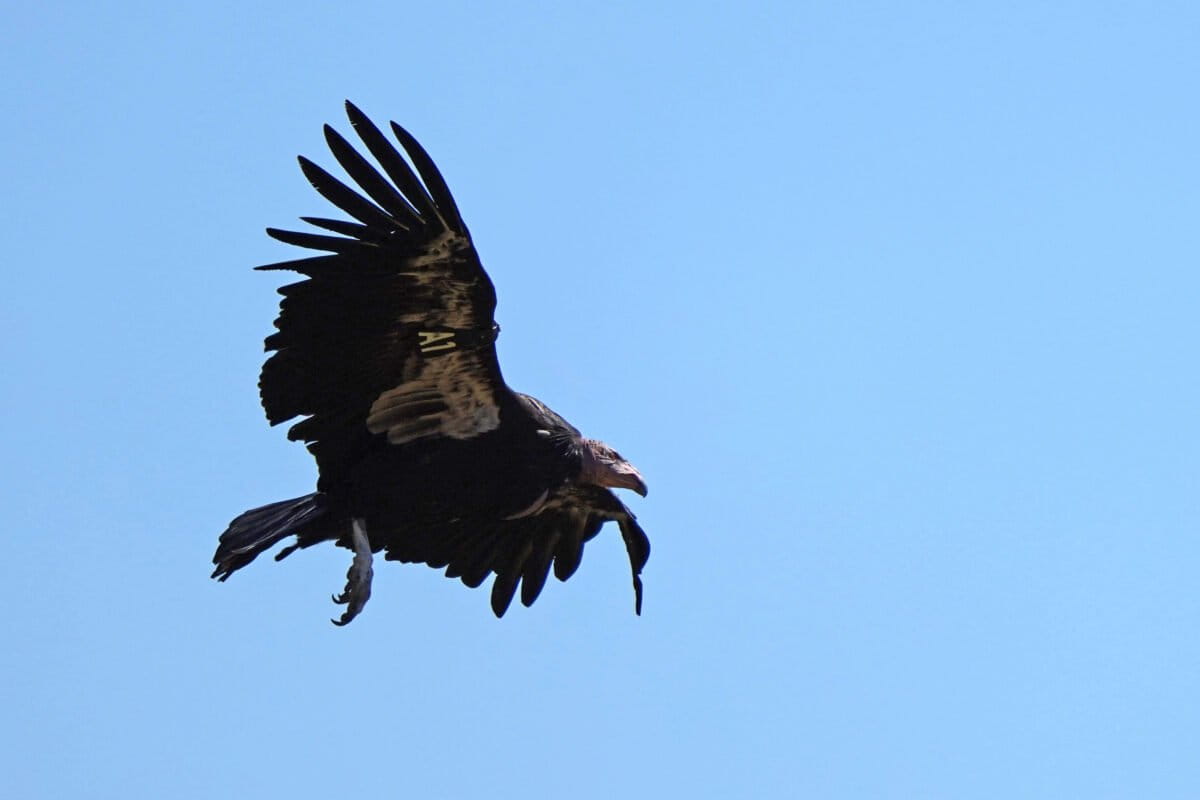
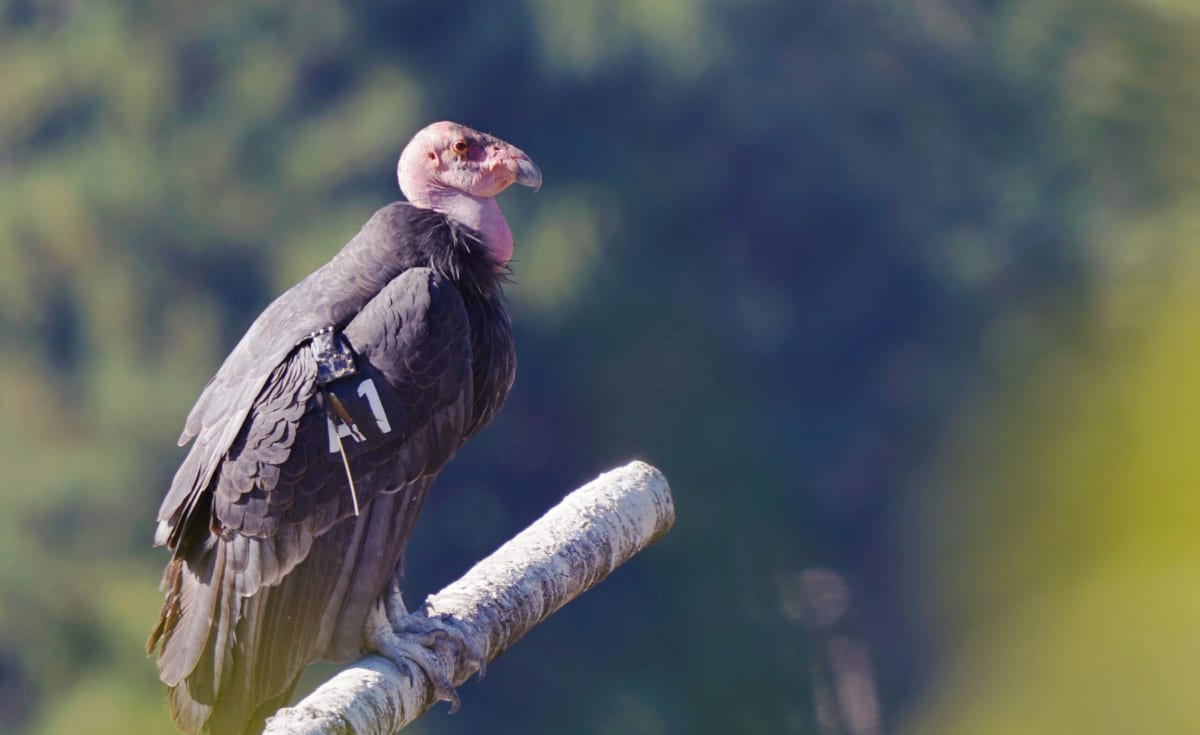
A pair of nearly seven-year-old condors named Ney-gem' Ne-chween-kah ("She carries our prayers") and Hlow Hoo-let ("At last I fly") appear to be taking turns incubating an egg in a remote redwood hollow. The birds were among the first cohort released by the Yurok Tribe's restoration program in May 2022.
"This is a huge moment for our Northern California flock," said Chris West, program manager and senior biologist with the Northern California Condor Restoration Program. Biologists discovered the likely nest by tracking changes in the condors' flight patterns through satellite transmitters, since the location is too remote for direct observation.
The nesting carries deep significance for the Yurok people, who consider the condor sacred. In 2003, tribal elders designated condor restoration as their top priority for land-based species recovery, and the tribe spent nearly two decades preparing for this moment through research, partnership building, and habitat studies.
The Ripple Effect
This breeding attempt represents more than just two birds building a nest. It signals that a species brought back from the very edge of extinction is beginning to reclaim its ancestral range and establish the self-sustaining population conservationists have worked decades to achieve.
The California condor's recovery stands as one of conservation's most dramatic success stories. In 1982, only 22 condors remained on Earth. By 1987, every single surviving bird had been captured for a desperate breeding program. Today, 607 condors soar across multiple sites in California, Arizona, and Baja California, with 24 now flying over Yurok territory.
But the journey remains fragile. First-time condor parents often fail to successfully hatch their first egg due to inexperience. The species faces ongoing threats from lead poisoning and avian influenza, which killed more than 20 condors in the Southwest flock recently.
"As a scientist, I know I shouldn't get my hopes up too high, but that doesn't mean I can't cheer for these young parents' success," said Tiana Williams-Claussen, director of the Yurok Wildlife Department. The flock already suffered its first loss when a young condor named Pey-noh-pey-o-wok' died from lead poisoning in January 2025 after just months of freedom.
Condors nest only every other year and lay just one egg per clutch, making each breeding attempt precious. Parents share incubation duties for nearly two months, then care for their chick for more than a year before it can survive independently.
The Northern California Condor Restoration Program plans to release at least one new cohort of condors each summer for the next 20 years, working toward a self-sustaining Pacific Northwest flock. Whether or not this egg hatches, these young condors have already proven something remarkable: they remember how to come home.
More Images

Based on reporting by Mongabay
This story was written by BrightWire based on verified news reports.
Spread the positivity!
Share this good news with someone who needs it