California Exceeds Mental Health Goals, Helps 5M+
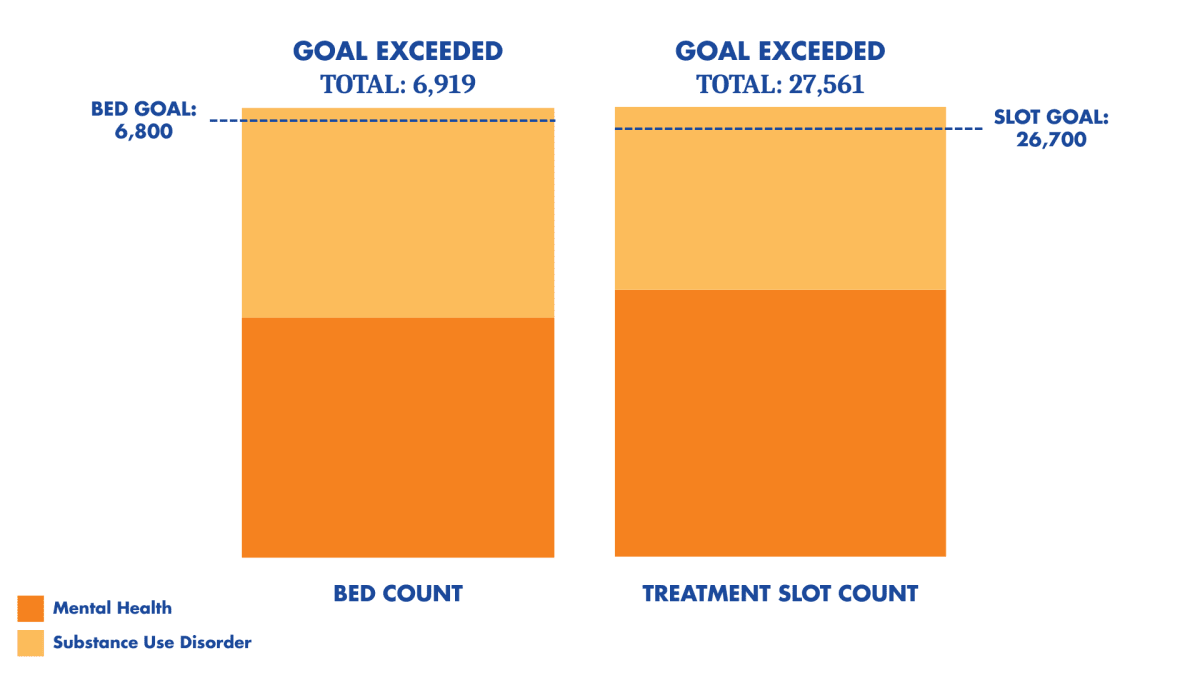
California just surpassed its behavioral health treatment goals two years ahead of schedule, creating nearly 7,000 new treatment beds and 28,000 outpatient slots. The $4 billion investment is transforming how communities care for people experiencing homelessness and mental illness.
California just did something government programs rarely do: it delivered more than promised, faster than expected.
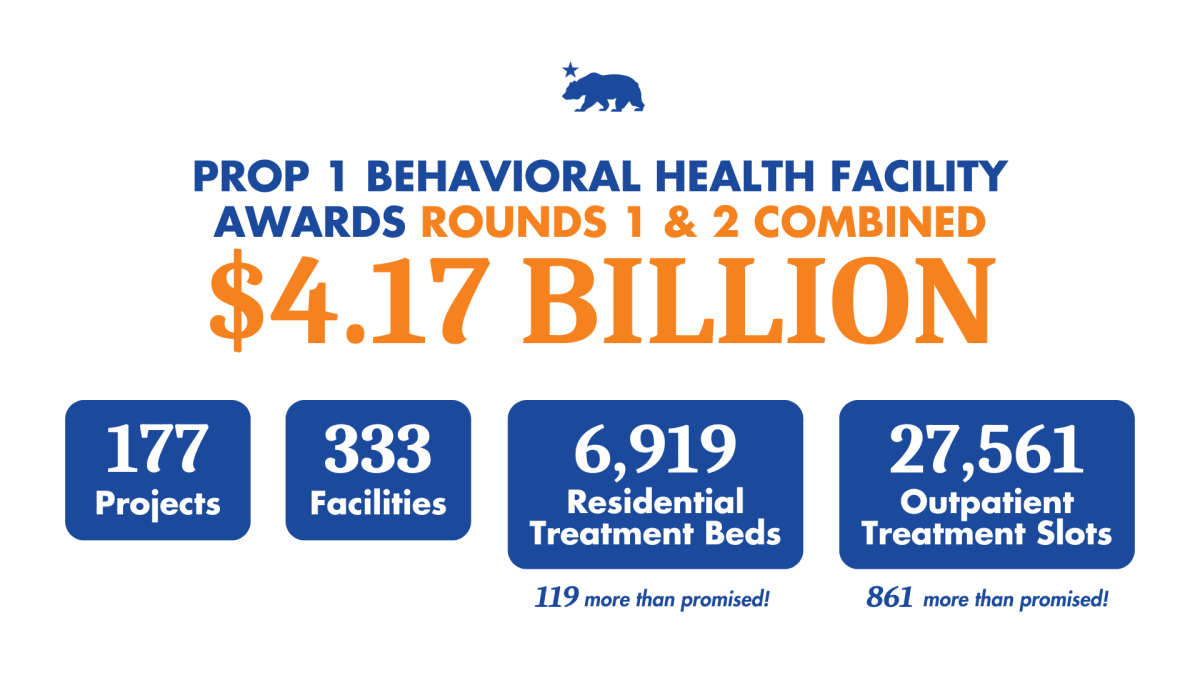
Governor Newsom announced that Proposition 1, the state's ambitious behavioral health initiative, has exceeded its treatment capacity goals in just two years. The program has created 6,919 residential treatment beds and 27,561 outpatient slots across 333 facilities statewide.
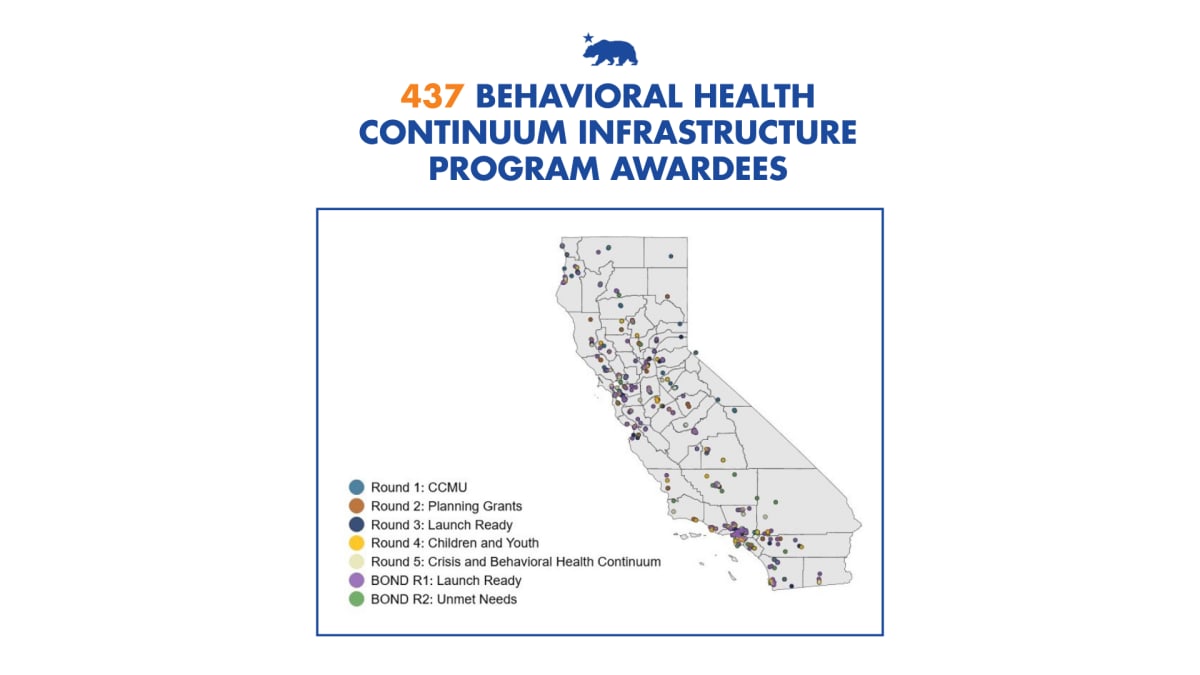
The latest round brings $1.18 billion to fund 66 new projects across 130 behavioral health facilities. This investment prioritizes rural and tribal communities that have historically lacked access to mental health and substance use disorder treatment.
The timing couldn't be better. California just recorded its first drop in unsheltered homelessness in 15 years, with a 9% decrease. Now the state has the infrastructure to keep that momentum going.
The numbers tell a powerful story. Since 2021, California has invested $5.8 billion in behavioral health infrastructure through multiple funding rounds. These investments have created 9,553 new beds and 47,163 outpatient slots that will serve more than 5.4 million people annually.
Some projects break new ground entirely. The Yurok Tribe is establishing California's first Tribal Peer Respite, offering culturally rooted support during behavioral health crises. Glenn County is getting its first residential substance use disorder treatment facility.
Other projects focus on breaking cycles. A $27 million program in the San Joaquin Valley will provide residential treatment specifically for fathers with children, helping families stay together during recovery.
The largest single investment, $135.8 million, goes to expanding the St. Vincent Behavioral Health Campus in Los Angeles. This project combines multiple state programs to create a comprehensive care model.
The Ripple Effect
These aren't just buildings. They're bridges back to stability for people who've been waiting years for help.
Rural communities that once had zero local treatment options now have facilities close to home. Tribal nations can offer care rooted in their own healing traditions. Families facing addiction can access treatment without separation.
The infrastructure will serve Californians for the next three decades. That means a parent struggling with addiction today can get help at a local facility. A veteran experiencing a mental health crisis can find immediate care instead of waiting months.
Michelle Baass, director of California's Department of Health Care Services, emphasized the geographic equity: communities with the greatest unmet needs received priority funding. The goal wasn't just more beds, but beds in the right places.
The program proves that ambitious public health goals can actually work when properly funded and executed. California voters approved the $6.4 billion bond in 2024, and the state is now converting nearly every dollar into real capacity.
These facilities represent hope measured in square feet: treatment rooms, crisis stabilization units, peer respite centers, and residential programs where healing can begin.
More Images
Based on reporting by Google News - New Treatment
This story was written by BrightWire based on verified news reports.
Spread the positivity!
Share this good news with someone who needs it