California Farm Combines Solar Panels With Soil Healing
A California research site is proving solar panels and regenerative farming can work together to grow food, generate clean energy, and restore soil health. The breakthrough could help farms stay productive while fighting climate change.
Scientists in Southern California have cracked a puzzle that's been stumping farmers: how to produce solar energy and healthy food on the same land without sacrificing either one.
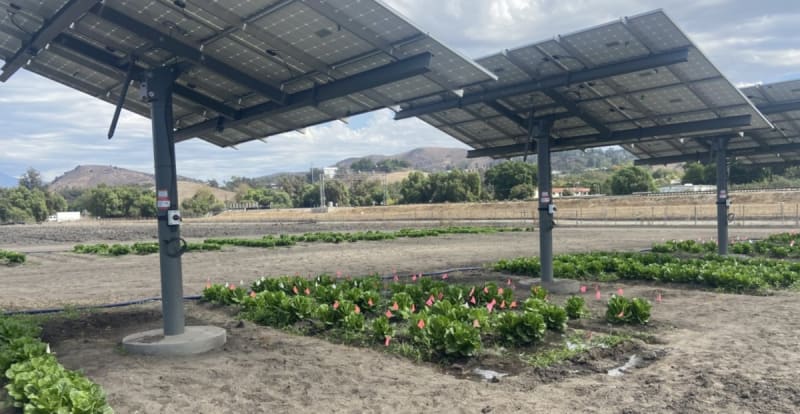
Researchers at Pitzer College teamed up with The Nature Conservancy to launch a demonstration farm at Cal Poly Pomona's Spadra Farm. The project combines solar panels with regenerative agriculture, a farming method that actively heals soil instead of depleting it.
Lead researcher Kevin Grell says the approach doesn't cost more than regular solar farms. In fact, the regenerative farming practices like composting and cover cropping often replace expensive chemicals with smart labor management.
The farm uses 72 solar modules mounted on six steel columns, positioned to let tractors move freely underneath. Energy gets stored in a mobile battery system while crops grow in the shade below.
That shade turns out to be a bonus. In hot, dry regions like Southern California's Inland Empire, the panels cool the ground and help soil hold moisture. Grell's team is studying whether this double benefit means farmers need less irrigation water.
The cooling effect helps the solar panels too. When temperatures soar, solar panel efficiency drops. Healthier soil with more plant coverage creates natural cooling that keeps the panels working at peak performance.
The Ripple Effect
This isn't just about one farm getting greener. The project could reshape how we think about land use in crowded regions where farmers and energy producers compete for space.
In areas with water shortages, the combination of panel shade and compost-enriched soil could let farms thrive with far less irrigation. Farm workers also benefit from shade in regions where heat makes outdoor labor dangerous.
The research team is tracking everything from soil chemistry to pollinator activity to crop yields. They're measuring water infiltration rates, microbial life in the soil, and how much energy the panels produce.
Different regions face different challenges, says co-author Sophie Parker. Dry areas need irrigation help. Rainy regions struggle with limited sunlight for panels. The regenerative approach can be adapted to address local needs.
The best part? The farming methods work with any solar setup, whether panels are fixed, tracking the sun, or arranged like fences. Grell says there's no inherent conflict between the technology and the biology.
The team published their findings in Energy Nexus, sharing lessons that could help scale up the approach. They're calling for larger experiments to test whether the benefits multiply at commercial farm sizes.
The demonstration proves that feeding people and powering communities don't have to be competing goals when we work with nature instead of against it.
More Images

Based on reporting by PV Magazine
This story was written by BrightWire based on verified news reports.
Spread the positivity!
Share this good news with someone who needs it