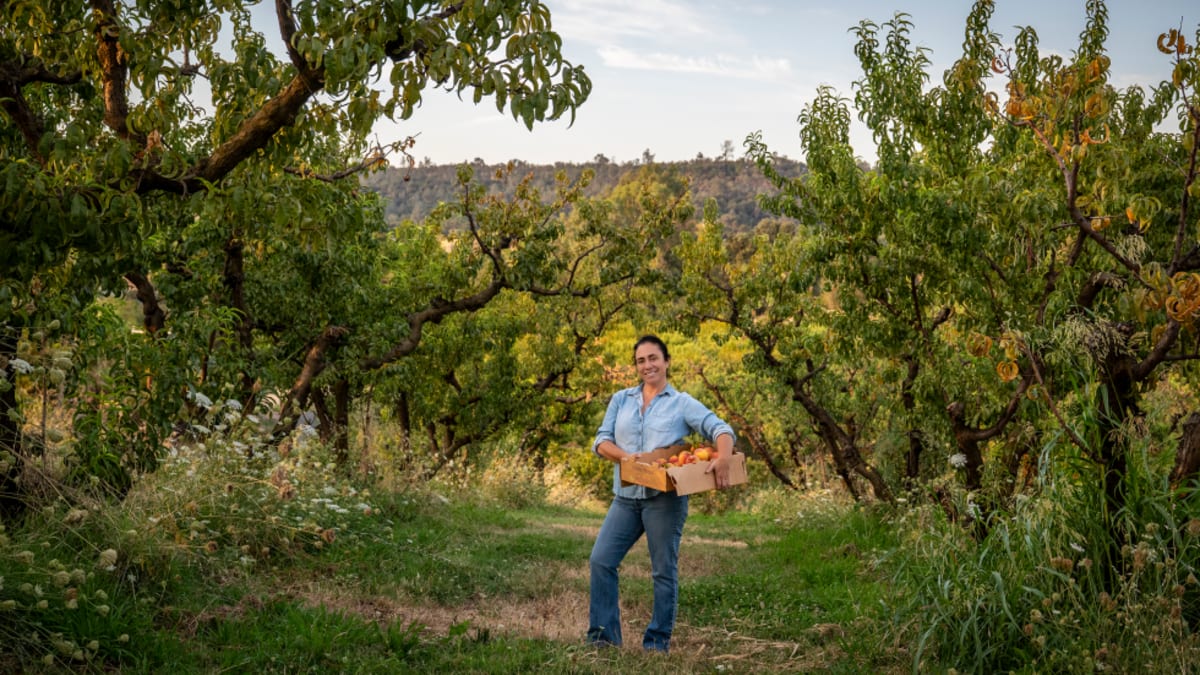
California Farm Innovates After Fire Destroys Packing Shed
When flames destroyed her family's 112-year-old packing shed in 2020, Camelia Enriquez transformed Twin Peaks Orchards into a model of agricultural innovation. Now Sacramento's Capital Region is emerging as an international hub for farm technology that could save America's struggling family farms.
When Camelia Enriquez saw flames lighting up the California sky outside her Newcastle home in 2020, she knew her family's 112-year-old farm had just lost its heart.
The fire destroyed Twin Peaks Orchards' packing shed, wiping out the facility where generations had packed peaches and stone fruits. But what seemed like the end became a fresh beginning.
"Innovation comes, sometimes, just out of desperation," says Enriquez, 48. Rather than rebuild the expensive packing shed, she and her husband poured their savings into transforming how the farm operates.
They started packing fruit right in the fields, cutting steps and costs. They installed efficient irrigation systems and shifted toward organic farming, betting that environmental stewardship would improve both their values and their bottom line.
Twin Peaks isn't alone in this transformation. Sacramento's Capital Region is becoming an international zone for agricultural innovation, combining UC Davis research, startup culture, and on-farm experiments that could change farming's future.
The timing matters desperately. America has lost 70 percent of its farms over the past century, squeezed by rising costs for land, equipment, seeds, and labor while the prices farmers receive stay flat.
The Ripple Effect
The innovation happening around Sacramento could determine whether family farms survive or vanish. At the FIRA USA conference in Woodland last October, companies demonstrated drones, precision spraying devices, and robotic systems designed to work on farms of all sizes.
The key breakthrough is making technology "scale neutral." For decades, farm innovation focused on helping operations get bigger, leaving small and mid-sized farms behind with equipment they couldn't afford.
Bart Peintner, CEO of Elemental Agronomy, developed an award-winning device that makes precision spraying affordable for any size operation. "You better be removing costs overall, or your value proposition better be absolutely bulletproof," he says.
That philosophy drives the region's approach. Researchers and farmers are working together to create solutions that serve all levels of agriculture, not just industrial operations.
For Enriquez, innovation had to make financial sense while meeting her family's values. New practices need to supply local food and help the environment, but they also have to "pencil out" when farm families do their math.
The transformation at Twin Peaks shows what's possible when disaster meets determination, and when a community supports farms through both traditional wisdom and cutting-edge technology.
Sacramento's farm-to-fork reputation now extends beyond fresh local food to include the innovations that might just keep those farms alive for another century.
More Images
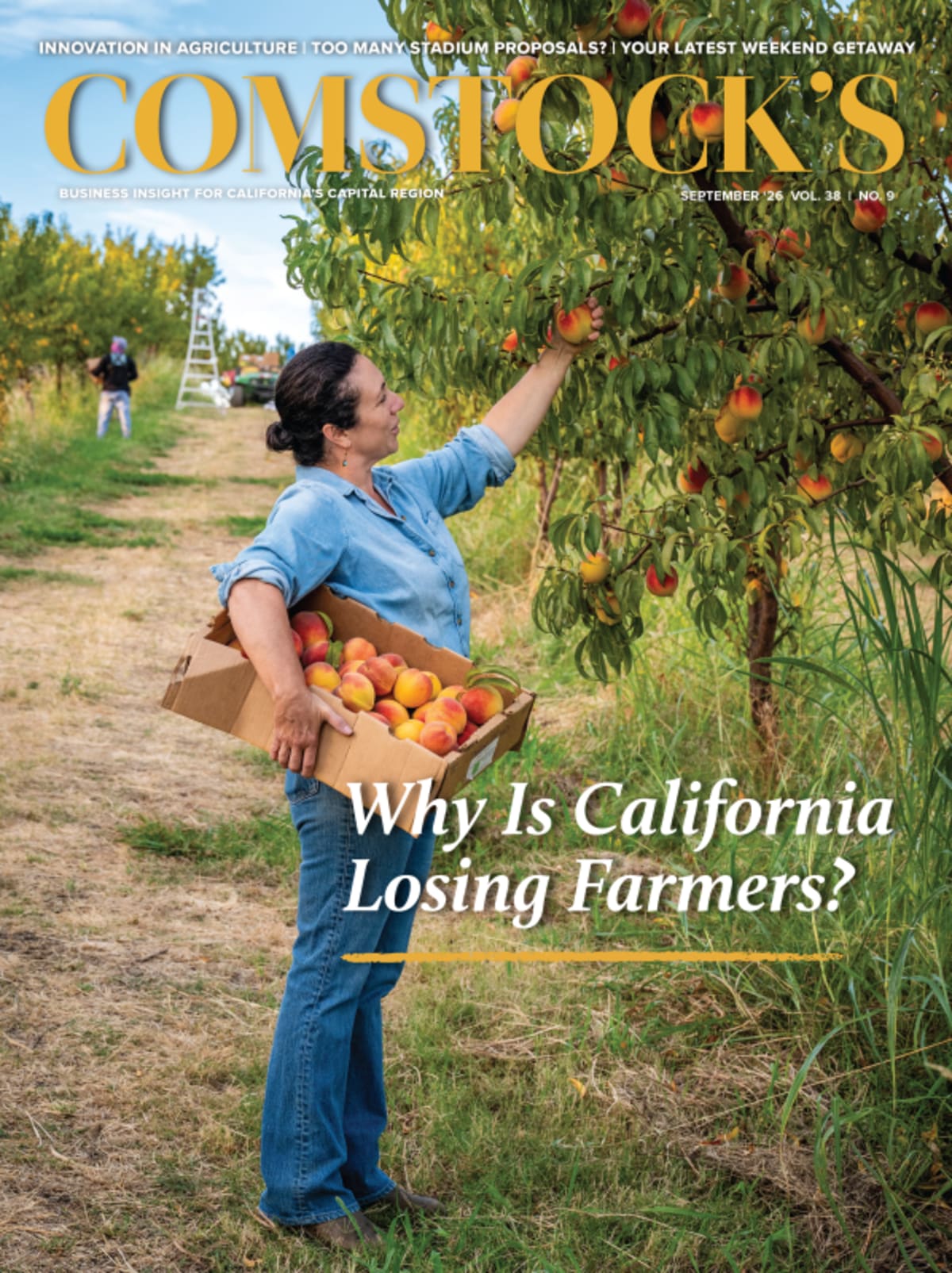
Based on reporting by Google News - Innovation Technology
This story was written by BrightWire based on verified news reports.
Spread the positivity!
Share this good news with someone who needs it


