California Farm Tests Regenerative Model for State Economy
A 70-acre demonstration farm in Monterey County is proving that regenerative agriculture can rebuild soil, strengthen communities, and transform California's food system. Twelve other regions are already asking to join the movement.
In California's Salinas Valley, a nonprofit is showing how farming can heal the earth while lifting up entire communities.
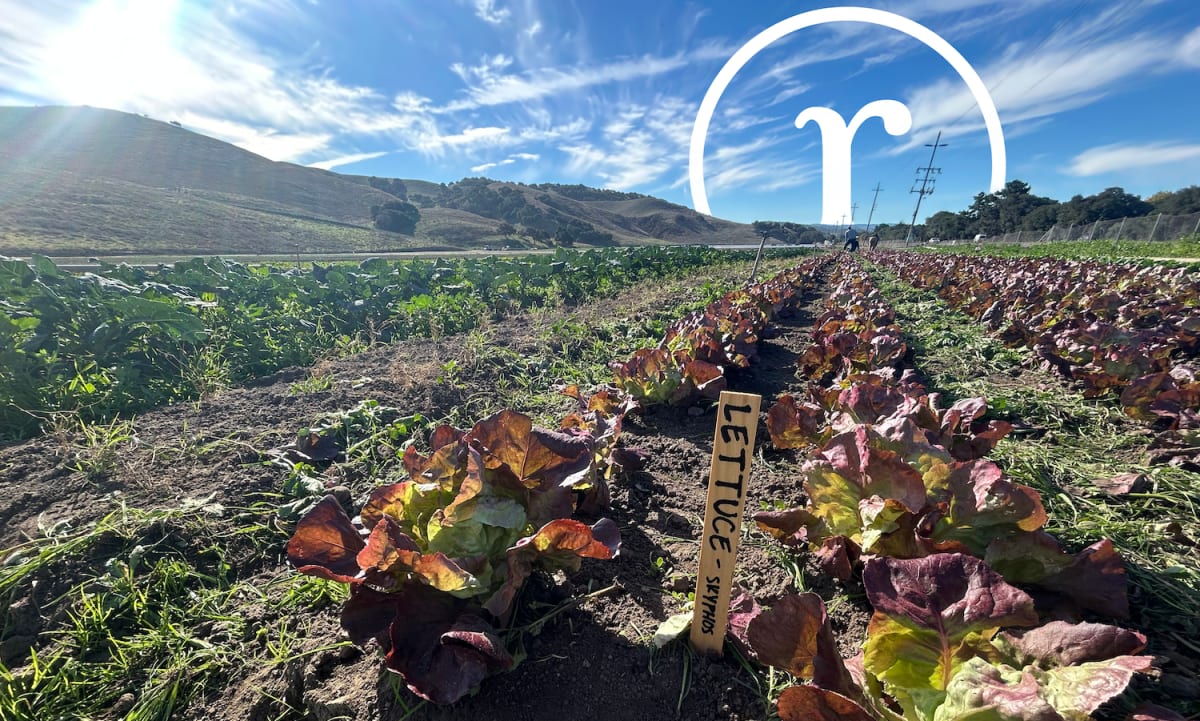
Regenerative California launched a 70-acre demonstration farm called Regenerate 68! in Monterey County. The site sits in a region known as both California's wealthiest and poorest county, home to the "salad bowl of the world."
CEO Kristin Coates saw an opportunity. California leads as the world's fourth largest economy, but its agriculture system still extracts more than it gives back. She wondered what would happen if the state prioritized regenerative systems instead.
The team started by listening. They interviewed community members about their biggest challenges and dreams for a more sustainable economy. Two themes emerged: transitioning to regenerative organic agriculture and revitalizing the coastal blue economy.
The farm serves as a living classroom for regenerative organic agriculture training. Farmers learn practices that build healthy soil while growing nutrient-rich crops. The land also connects to a larger ranch managed by the Big Sur Land Trust, proving conservation and farming can work together.
This year marks the first time Regenerative California will track the farm's environmental progress. They're also measuring the social and economic benefits for local farmers and institutional buyers who want to source sustainably grown food.
The Ripple Effect
Coates knows one farm won't transform California's entire agriculture system. But the lessons learned here can create what she calls a "flywheel" that other regions can adapt to their own needs.
The approach is already catching attention across the state. A dozen other regions have reached out, asking to apply the same process of community listening and collaborative action in their areas.
The model offers something rare: a practical path forward that benefits farmers, communities, and the environment at the same time. By starting small and measuring results, Regenerative California is building proof that a different kind of economy is possible.
California has always led on social and ecological progress, and this movement shows the state can lead again on regenerative agriculture that works for everyone.
More Images



Based on reporting by Google News - Economic Growth
This story was written by BrightWire based on verified news reports.
Spread the positivity!
Share this good news with someone who needs it