California Firm Cuts Plastic Emissions 65% With Plant-Based Tech
A California company just proved that plant-based plastics can slash carbon emissions by up to 65% without sacrificing quality. The breakthrough could transform everything from running shoes to car dashboards into climate solutions.
Imagine if the soles of your sneakers could help fight climate change instead of contributing to it.
Algenesis Labs, a California materials company spun out of UC San Diego, just released carbon footprint data showing their plant-based plastics cut greenhouse gas emissions by 50 to 65% compared to traditional petroleum-based versions. The findings come from an independent study conducted with sustainability firm TrueNorth Collective.
The breakthrough centers on polyurethanes, the versatile plastics found in shoe soles, car interiors, phone cases, and protective coatings. Traditional production relies heavily on petroleum-derived chemicals that release significant carbon into the atmosphere.
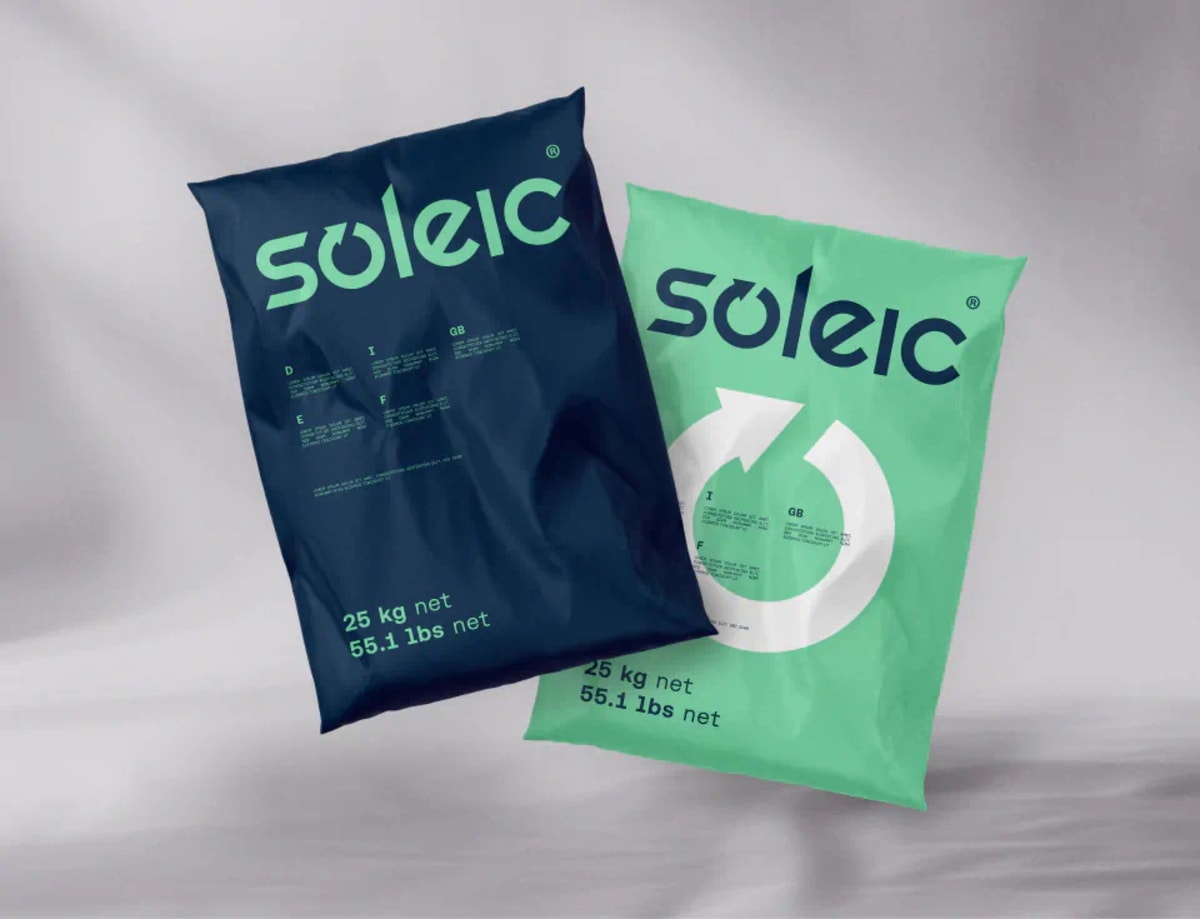
Algenesis's Soleic product line uses plant oils and sugars as feedstock instead. Their polyols showed the biggest impact with 65% lower emissions, while their thermoplastic polyurethanes achieved 50 to 55% reductions.
What makes this especially promising is that the company doesn't compromise on performance. "Brands can now reduce their footprint without sacrificing performance," said Nick Sandland, Algenesis's chief business officer.
The study used a cradle-to-gate approach, measuring everything from raw material sourcing through transportation to manufacturing. Unlike some competitors, Algenesis emphasized they don't use mass-balance accounting, a method that can spread renewable content claims across multiple product streams.
One standout product, Soleic LV02, is made from 100% bio-based carbon, validated through independent ASTM testing. The materials also break down naturally in the environment, addressing both production emissions and end-of-life waste.
The Ripple Effect
The timing couldn't be better for brands facing pressure to meet sustainability goals. Companies can now point to verified carbon reduction data in their environmental reporting, turning everyday products into measurable climate action.
Major industries from footwear to automotive to electronics now have a proven alternative that matches the durability and flexibility they need. Every car dashboard, running shoe, or phone case made with these materials represents a significant carbon saving multiplied across millions of products.
The shift from petroleum to plants in plastics production shows how innovation can solve problems that once seemed locked into fossil fuel dependency.
One material swap at a time, the products we use daily are becoming part of the climate solution.
More Images




Based on reporting by Google News - Emissions Reduction
This story was written by BrightWire based on verified news reports.
Spread the positivity!
Share this good news with someone who needs it