California Grid Hits 51% Solar Power for Entire Month
California became the first major economy to power over half its electricity grid with solar for a full month. The May 2026 milestone proves clean energy can reliably power massive industrial economies.
For decades, energy experts wondered if an economy as large as California's could run primarily on sunshine without widespread blackouts. This spring, the Golden State answered that question with a resounding yes.
In May 2026, California became the first major global economy to generate 51% of its monthly electricity from solar power alone. The achievement marks a turning point in proving that clean energy can reliably power a modern industrial economy.
The breakthrough required distinguishing between brief sunny afternoon peaks and sustained performance across an entire month. Grid operators routinely celebrate when solar covers demand during bright midday hours, but maintaining majority solar generation through overcast days, nighttime hours, and fluctuating energy use presents a far greater challenge.
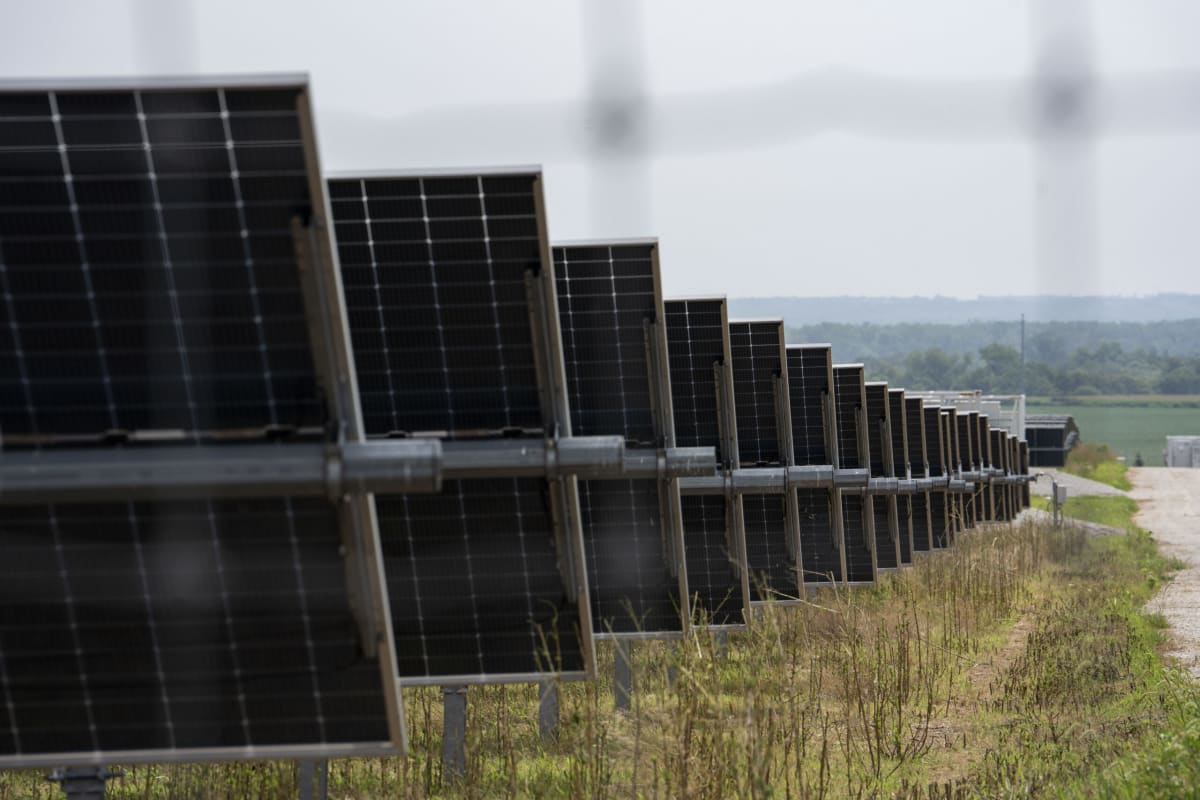
Two systems made this possible: massive solar farms feeding the state's high-voltage transmission grid, and rooftop panels on homes and businesses across California. May's extended daylight and moderate temperatures before summer cooling demand helped, yet sustaining majority renewable generation over 30 consecutive days represents unprecedented operational success.
The milestone stems from decades of deliberate choices. State mandates requiring utilities to buy increasing renewable power created stable market signals for clean energy developers. Net metering policies encouraged homeowners to install rooftop panels by crediting them for surplus electricity sent back to the grid.
As solar manufacturing expanded globally, equipment costs plummeted, making both utility-scale arrays and home systems highly affordable. California's cap-and-invest program has raised over $28 billion since 2013, funding grid modernization and clean transportation statewide.
Heavy solar reliance introduces new balancing requirements. Midday solar output surges above immediate demand, then drops rapidly in late afternoon just as residential electricity use peaks. Grid managers call this the "duck curve."
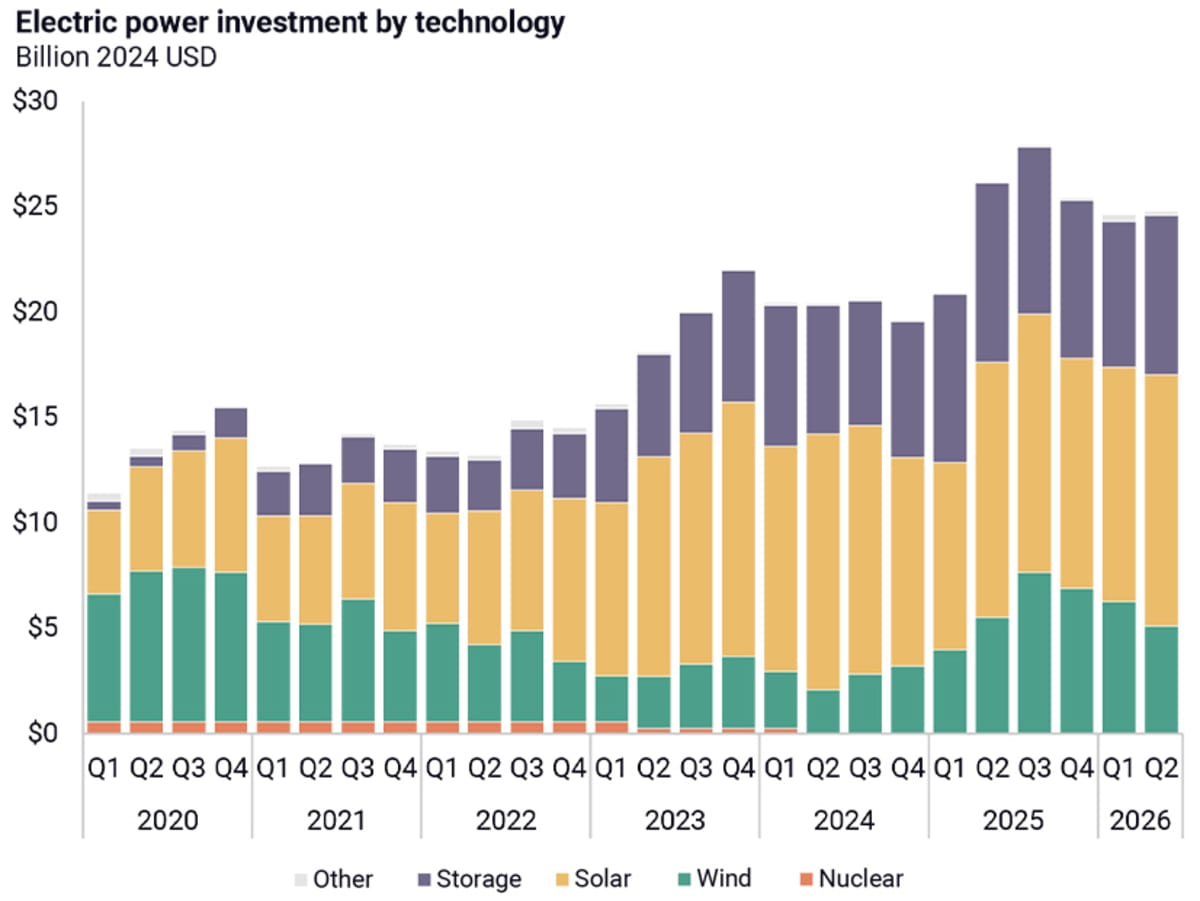
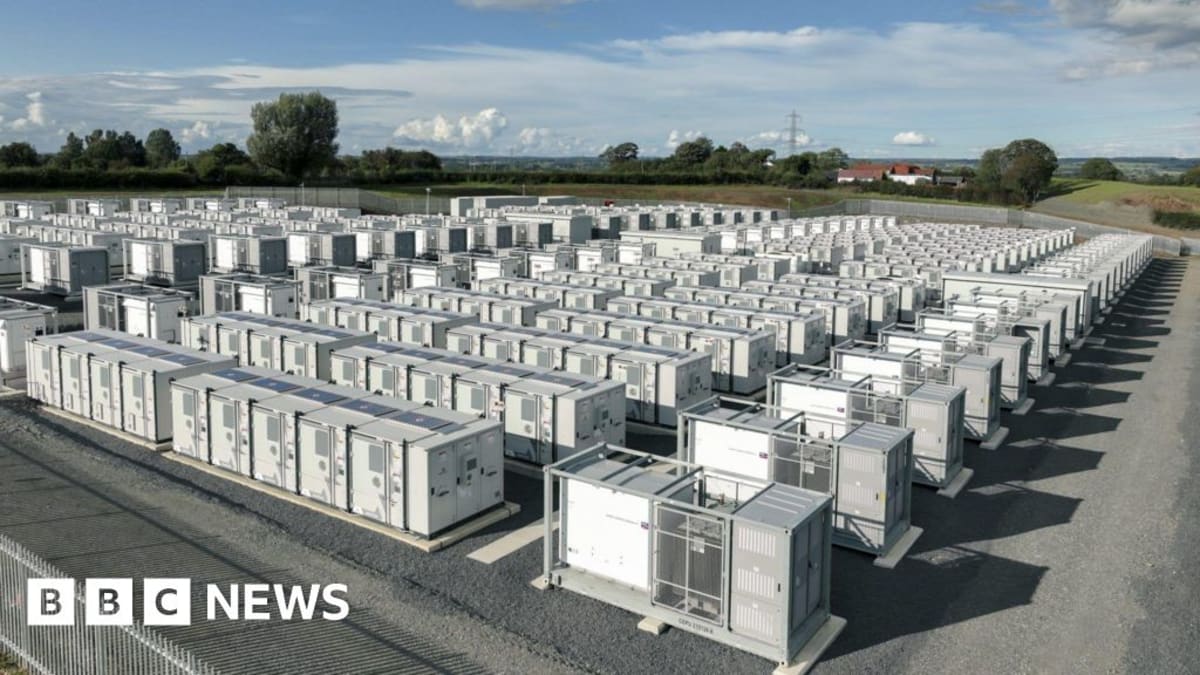
Utility-scale battery storage solves this puzzle by absorbing surplus midday solar energy and releasing it during evening peak hours. Private investment is flooding into storage technology, with companies like Antora Energy recently securing $150 million to scale up thermal battery production.
The Ripple Effect
As the world's fifth-largest economy, California serves as a crucial testbed for energy policy worldwide. Demonstrating that a major economy can maintain reliability while running on majority solar offers a blueprint for other states and countries.
The appetite for clean energy extends beyond traditional environmental strongholds. In Utah, 56% of residents now support clean energy expansion, particularly solar, even with minor rate adjustments. Similar shifts are occurring across diverse political landscapes nationwide.
Challenges remain, including protecting low-income households from rate impacts and meeting surging electricity demand from expanding data centers. Debates continue over utility rate structures and ensuring equitable access to clean power benefits.
But the May numbers confirmed something transformative: a major industrial economy can reliably run on sunshine. California's achievement redraws the boundaries of what's possible for clean energy grids worldwide.
Based on reporting by Google News - Solar Power Record
This story was written by BrightWire based on verified news reports.
Spread the positivity!
Share this good news with someone who needs it