California Invests $80M in Salmon Habitat and Wildlife
California just approved $80 million to restore salmon rivers, protect wildlife corridors, and open up nature access across 16 counties. The funding will remove barriers blocking fish from their spawning grounds and protect critical habitat for dozens of threatened species.
California's Wildlife Conservation Board just greenlit 23 projects that will bring salmon back to their historic rivers, protect endangered species, and help more people enjoy the outdoors.
The $80.4 million in grants will fund conservation work across 16 counties, from removing an old dam that's blocked salmon for decades to restoring coastal marshes where baby fish grow strong. Seven projects specifically help salmon survive in a warming climate by giving them access to cooler, cleaner water.
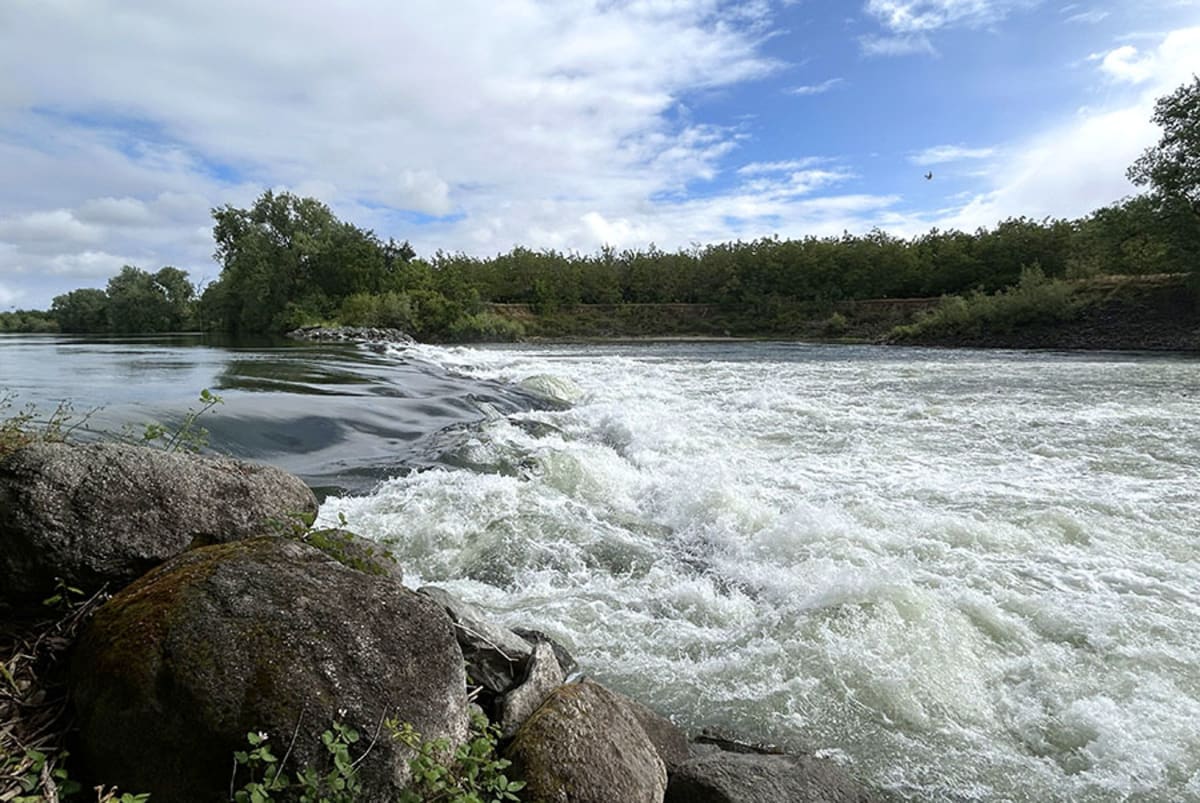
The biggest win? A $29.3 million grant will finally remove the Sunset Weir on the Feather River near Live Oak. This barrier has blocked Chinook salmon, steelhead, and green sturgeon from reaching 28.5 miles of prime spawning habitat upstream.
"We've talked about removing Sunset Weir for decades," said James Newcomb from the California Department of Water Resources. "This funding and our partnership will finally make it possible."
Up on the coast, a $4 million grant will restore 500 acres of tidal marsh on Cannibal Island in Humboldt County's Eel River. The project removes old infrastructure and reconnects the land to natural tidal flow, creating nursery habitat where young salmon can feed and grow before heading to the ocean.
In Trinity County, another $2.96 million will reconnect Salt Creek to its floodplain. The area was heavily damaged by historical mining, but restoration will bring back cool summer water flows and create one of the best groundwater recharge zones for salmon in the entire basin. The Yurok Tribe Construction Corporation will lead the heavy construction work.
The funding doesn't just help fish. An $8 million grant protects 1,688 acres of Eastern Sierra meadows, forests, and streams near Markleeville. The land provides habitat for rare species like the Sierra Nevada red fox and monarch butterfly while staying open for hiking, fishing, hunting, and grazing that reduces wildfire risk.
Another $5.9 million will protect 1,226 acres of connected wildlife habitat near Jamul in San Diego County, creating safe passages for animals moving between protected areas.
The Ripple Effect
These projects do more than restore individual rivers or meadows. They're part of California's ambitious goal to protect 30 percent of the state's lands and coastal waters by 2030, a target scientists say is critical for stopping biodiversity collapse.
When salmon return to their home rivers, they bring ocean nutrients that feed entire forest ecosystems. When wildlife corridors stay connected, animals can move safely between habitats as the climate changes. When communities can access nature close to home, physical and mental health improve across generations.
The work also supports local jobs in construction, land management, and outdoor recreation while making communities more resilient to floods, drought, and wildfire.
Decades of planning are finally becoming reality, one river and one meadow at a time.
Based on reporting by Google News - Wildlife Recovery
This story was written by BrightWire based on verified news reports.
Spread the positivity!
Share this good news with someone who needs it