California Monarch Butterflies Stage Comeback After 99% Crash
After plummeting from 4.5 million to just 12,000, western monarch butterflies are getting help from communities planting milkweed and protecting coastal groves. Scientists say there's still time to save one of nature's most spectacular migrations.
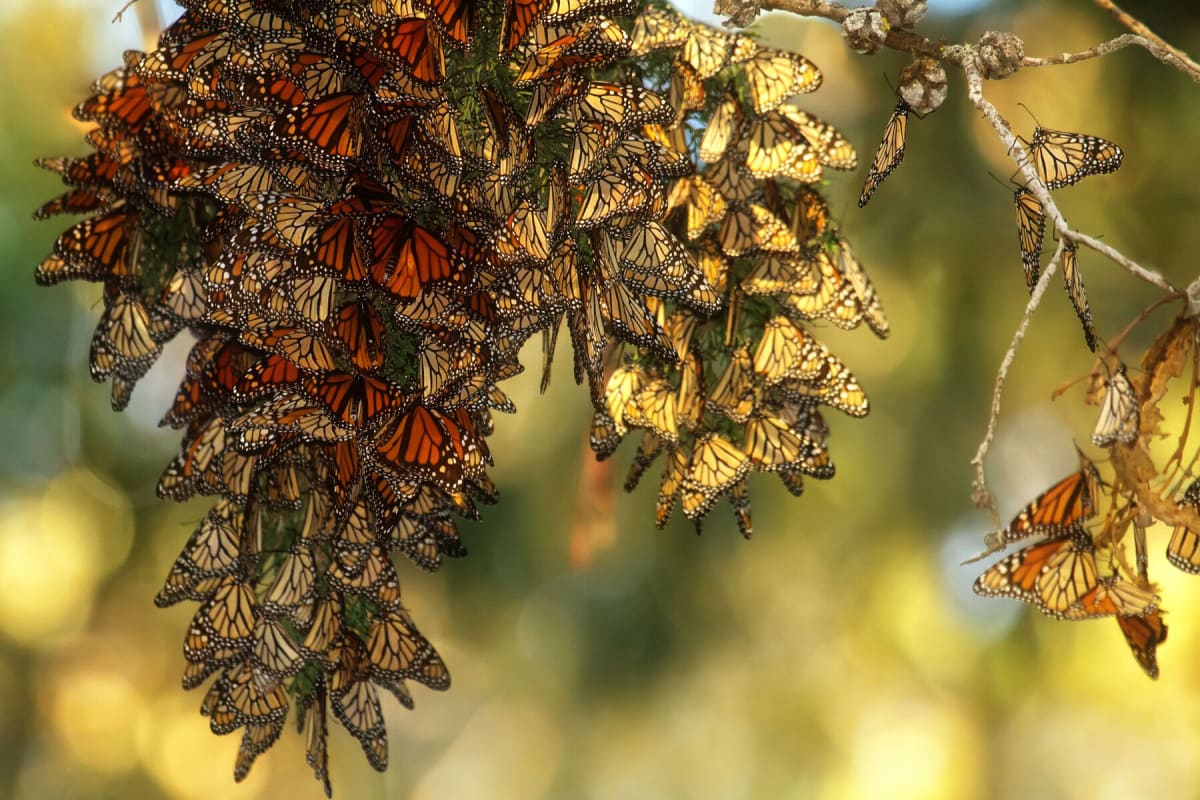
Thousands of monarch butterflies once filled the eucalyptus trees at Pismo Beach with a rustling sound like distant rain. This January, the grove stood mostly empty, with just a few orange and black wings drifting through the air.
The scene reflects a staggering collapse. Western monarch butterflies numbered around 4.5 million in the 1980s along California's coast. This winter, volunteers counted just over 12,000, a 99 percent decline driven by habitat loss, pesticides, and climate change.
But scientists at the Xerces Society for Invertebrate Conservation say the window to reverse this trend hasn't closed yet. They're coordinating efforts across California to restore the habitats these remarkable insects need to survive.
Monarchs accomplish one of nature's most incredible feats: a multi-generational migration across thousands of miles. Western monarchs breed across areas west of the Rocky Mountains in summer, then a special long-lived generation flies to California's coastal groves for winter.
The migration works like a relay race. Each spring and summer generation lives about a month, gradually moving north and laying eggs. The fall generation can live nine months, flying back to winter groves like Pismo Beach where they cluster together in trees until spring.
This complex journey requires two critical habitats. Monarch caterpillars eat only milkweed plants, so breeding areas need abundant milkweed and flowering plants for nectar. Winter groves must provide the exact microclimate, cool and sheltered enough for butterflies to conserve energy until spring.
Both habitats have been disappearing. Coastal development has removed overwintering groves, while California's Central Valley lost milkweed to agriculture and herbicide use. Studies show that glyphosate herbicides dramatically reduced milkweed on farmland across the monarchs' range.
The Ripple Effect
Communities are responding with habitat restoration projects. Xerces researchers recently surveyed milkweed contamination across the Central Valley to identify safer planting areas. Conservation groups are working with landowners to protect existing groves and restore degraded ones.
Native plant gardens are springing up at grove edges, providing nectar sources for butterflies. Volunteers travel from across the world to count monarchs each winter, creating crucial data that guides conservation decisions.
Angela Laws, a Xerces pollinator conservation specialist, emphasizes that multiple factors caused the decline, which means multiple solutions can help. Protecting coastal groves, planting pesticide-free milkweed in breeding areas, and reducing herbicide use near butterfly habitat all make a difference.
The same trees at Pismo Beach that once held thousands of monarchs still stand, waiting for the butterflies to return in numbers that make the air shimmer again.
Based on reporting by Reasons to be Cheerful
This story was written by BrightWire based on verified news reports.
Spread the positivity!
Share this good news with someone who needs it