California Powers Up 500MW Compressed Air Energy Storage
A Canadian startup just signed a deal that could transform how California stores renewable energy. Nine million ratepayers will benefit from a massive underground "air battery" that stores solar and wind power for when it's needed most.
📺 Watch the full story above
California just took a major step toward storing clean energy in one of the most innovative ways imaginable: compressed air trapped 2,000 feet underground.
Hydrostor, a Canadian energy storage company, signed a 50-megawatt agreement with California Community Power to build the Willow Rock Energy Storage Center in Kern County. The facility will eventually store 500 megawatts of renewable energy, enough to power hundreds of thousands of homes.
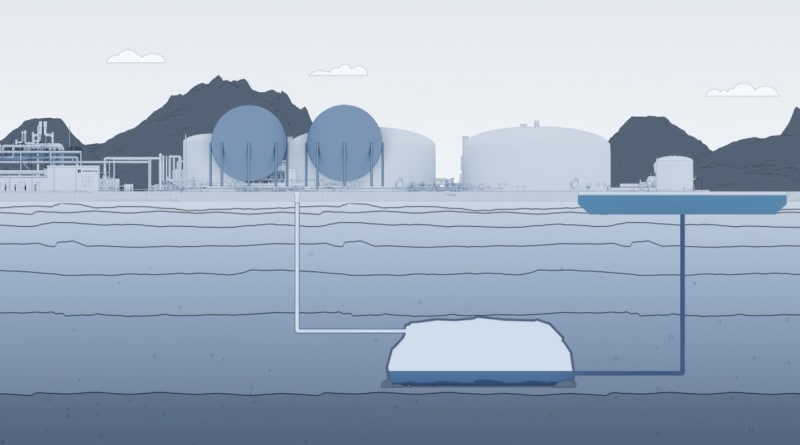
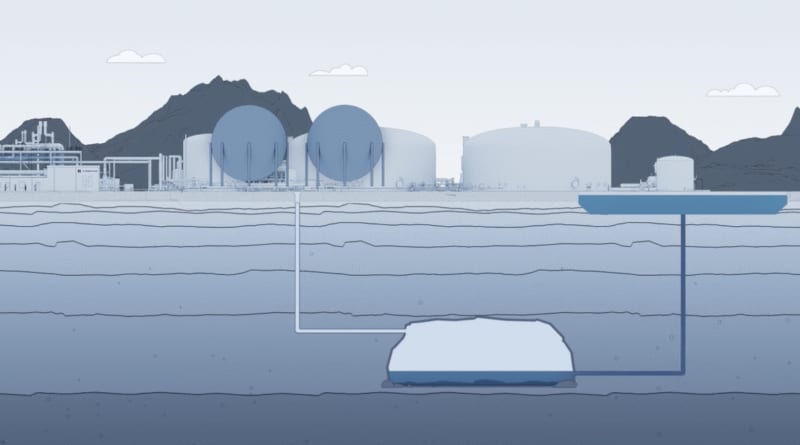
The technology works like a giant underground battery, but instead of lithium, it uses air, water, and heat. When solar panels and wind turbines produce excess electricity, the system compresses air and pumps it into massive caverns deep below the surface. The heat from compression gets stored separately for later use.
When the grid needs electricity, the process reverses. Water pressure pushes the compressed air back up through turbines, and the stored heat helps generate power for eight hours or more.
This matters because traditional lithium batteries only last a few hours and require rare minerals that create supply chain headaches. Compressed air storage uses abundant materials and keeps energy available much longer.
The project also highlights a growing movement called community choice aggregation, where local governments band together to negotiate better electricity rates for residents. California Community Power represents nine regional aggregators serving 2.7 million ratepayers across 112 cities, from Humboldt County down to Santa Barbara County.
By pooling their buying power, these communities can demand cleaner, more affordable energy. Six of the nine participating aggregators are joining the Willow Rock agreement.
The economics are getting competitive too. A 2024 analysis by BloombergNEF found that eight-hour compressed air systems cost about $293 per kilowatt-hour compared to $304 for four-hour lithium batteries.
The Ripple Effect
This project represents more than just one storage facility. It's proving that communities can take control of their energy future while supporting breakthrough technologies that make renewable power more reliable.
As more states adopt community choice legislation, projects like Willow Rock could multiply across the country. The EPA reports that 11 states now allow these community partnerships, with both blue and purple states embracing the model.
Hydrostor's system uses technology borrowed from oil, gas, and mining industries, meaning the expertise and equipment already exist. The company describes it as components working together "like an integrated organ system" to move energy between underground caverns, surface reservoirs, and thermal storage tanks.
The Willow Rock facility shows how innovation can solve renewable energy's biggest challenge: storing power when the sun isn't shining and the wind isn't blowing. With this deal signed, California moves closer to a grid powered entirely by clean energy, available whenever residents need it.
More Images


Based on reporting by CleanTechnica
This story was written by BrightWire based on verified news reports.
Spread the positivity!
Share this good news with someone who needs it