California Saves Frog and Solar Power in Historic Deal
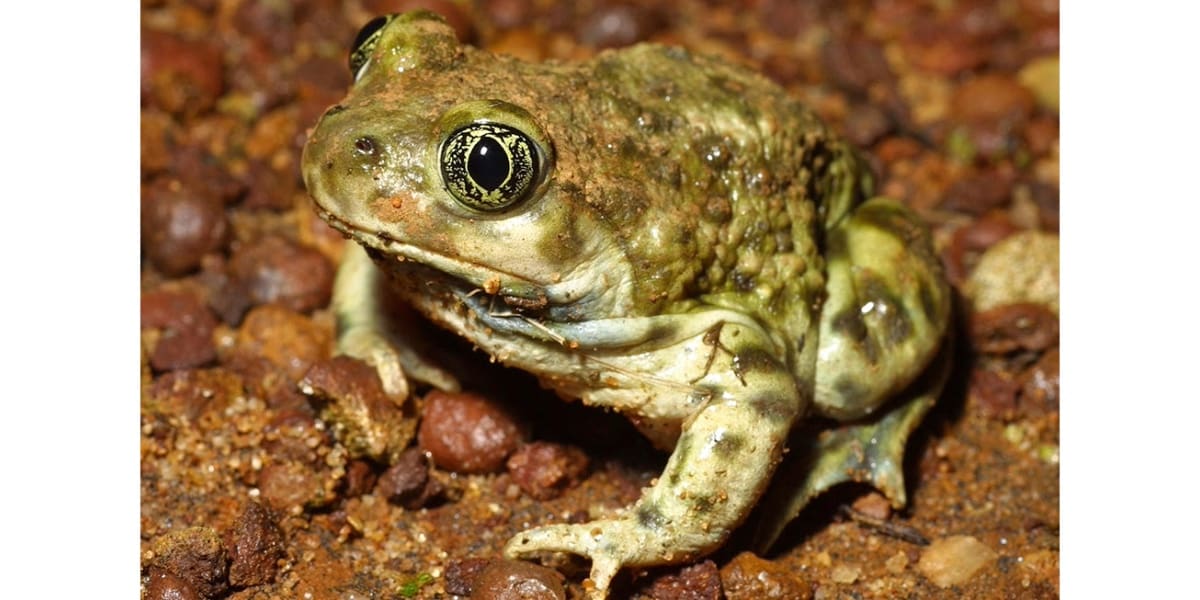
Solar companies and conservationists just proved clean energy and wildlife protection can work together. California approved rules that let solar farms expand while saving the tiny western spadefoot frog from extinction.
When the California Fish and Game Commission sat down last week, they faced a problem that usually has no winners: how to build clean energy without destroying wildlife. Instead, they created something that rarely happens in environmental policy: a solution that makes everyone smile.
The commission approved new regulations that allow solar energy projects to move forward while protecting the western spadefoot frog, a tiny 1-to-3-inch amphibian whose population has been declining across California. The breakthrough came after months of collaboration between the Center for Biological Diversity and the Large-scale Solar Association, two groups that could have been adversaries.
The western spadefoot now has official protection as a candidate species under the California Endangered Species Act. At the same time, solar projects can continue under specific conditions that actually help the frogs thrive.
Solar companies must leave parts of the frog's habitat untouched and take extensive measures to avoid harming the species. They also have to create new habitats like ponds and restore native grasslands, meaning some solar farms will actually increase the frog's living space.
"This is an opportunity for California to demonstrate collaborative work to achieve clean energy goals and environmental and conservation benefits that are compatible," said Commission President Eric Sklar. The key insight was that solar farms, unlike urban development, can share space with wildlife.
The western spadefoot has been struggling as California's foothills, Central Valley, and coastal regions get swallowed by cities and agriculture. Its habitat has become fragmented, and scientists aren't even sure how many remain in some areas where they once thrived.
The Ripple Effect
This decision creates a template other states can follow as they race to build renewable energy. Solar energy doesn't have to mean choosing between powering homes and protecting ecosystems.
The same meeting brought more conservation wins. Commissioners unanimously voted to list the Morro manzanita, a plant found only in San Luis Obispo County, as threatened. They also heard 15 petitions about marine protected areas, including five led by tribal communities seeking greater voice in ocean conservation.
California just showed that fighting climate change and protecting biodiversity aren't competing goals. When industry and conservationists talk instead of battle, both the planet and its smallest residents can win.
More Images



Based on reporting by Google News - Clean Energy
This story was written by BrightWire based on verified news reports.
Spread the positivity!
Share this good news with someone who needs it