California Startup Plans First Commercial Asteroid Mission
A Southern California company is launching the first commercial deep space mission to study asteroid Apophis during its 2029 Earth flyby, making planetary defense faster and more affordable. The mission could attract more viewers than the Super Bowl while helping protect our planet from future threats.
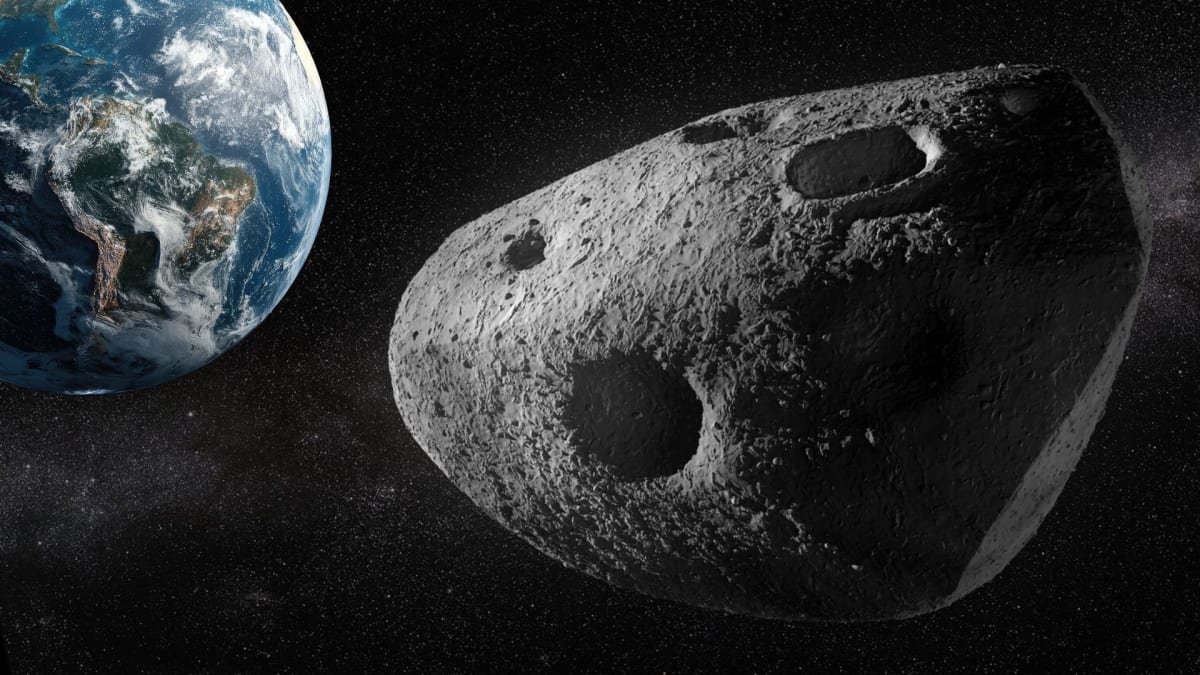
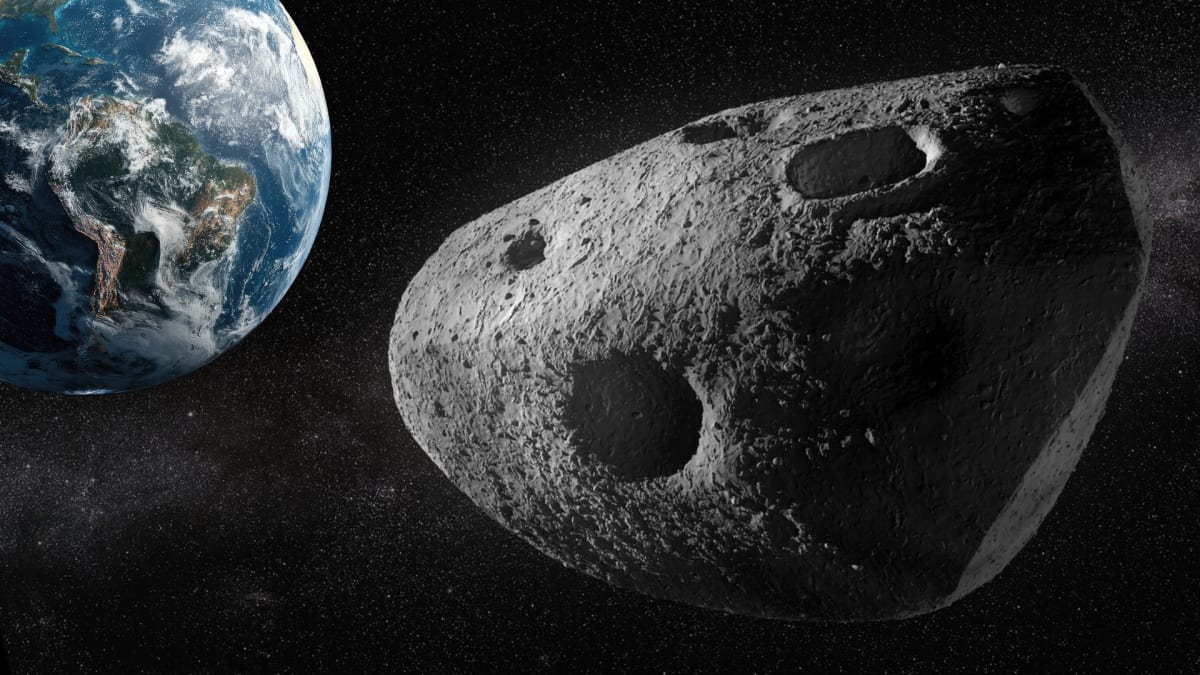
On April 13, 2029, a massive asteroid the size of a sports stadium will pass closer to Earth than our satellites, and a California startup wants to turn it into humanity's greatest planetary defense training exercise.
Asteroid Apophis won't hit us, but it will come close enough to see with the naked eye. The rock measures roughly 1,500 feet wide and will zip by on Friday the 13th in what scientists are calling a perfect opportunity to practice protecting Earth.
Southern California startup Exploration Labs (ExLabs) just proposed the first commercial deep space rideshare mission to study Apophis before and after its flyby. The company wants to prove that asteroid missions don't need billion dollar budgets or decade long timelines.
James Orsulak, co-founder of ExLabs and chairman of the Planetary Defense Trust, says the current system isn't working fast enough. NASA's planetary defense budget is less than one percent of the agency's total funding, which he says isn't enough to ever accomplish meaningful protection.
ExLabs plans to change that by making deep space exploration "consistent, collaborative, and commercially driven." Their mission aims to gather scientific data on asteroid dynamics, improve impact risk models, and test deflection strategies that could one day save Earth from a real threat.
The company isn't just thinking about science. They're planning to partner with IMAX and other media companies to broadcast the flyby live in prime time, potentially attracting more viewers than the Super Bowl.
The Ripple Effect
Former NASA Administrator Jim Bridenstine sees this commercial model as the future of space exploration. When private companies compete on cost and innovation, taxpayers get better results while companies drive down prices and increase access to space.
The mission represents a shift from government-only space programs to a thriving marketplace where NASA becomes one customer among many. This competition has already proven successful in other areas of space exploration, from cargo delivery to astronaut transport.
Former NASA astronaut Edward Lu, now head of the Asteroid Institute, emphasizes that protecting Earth requires industrial capacity to launch missions quickly. The ability to call up a launch tomorrow or next week, not years from now, is what will ultimately make Earth secure.
Lu says the pace of change in private space is mind-boggling, with companies now building spacecraft faster than ever before. Multiple deflection technologies exist, from gravity tractors to kinetic impacts, but only regular missions will reveal which methods work best for different scenarios.
The Apophis flyby offers a rare chance to test these systems on a real asteroid without the pressure of an actual impact threat. Scientists worldwide are developing action plans to study the asteroid at various stages as it approaches Earth.
ExLabs believes this mission will elevate planetary defense from a niche discipline to a global priority, proving that protecting our planet can be both scientifically rigorous and commercially viable. The age of affordable, repeatable deep space missions is finally beginning.
More Images



Based on reporting by Space.com
This story was written by BrightWire based on verified news reports.
Spread the positivity!
Share this good news with someone who needs it