California Takes Big Step to Cut Dairy Farm Emissions
California is moving toward its first-ever rules requiring dairy farms to reduce methane pollution after years of voluntary programs fell short. The shift could cut millions of tons of greenhouse gases while protecting communities near large farms.
California is finally getting serious about cleaning up one of its biggest sources of climate pollution: dairy farms.
The California Air Resources Board just asked for public input on how to require dairy and livestock operations to cut their methane emissions. It's a major shift after years of relying on voluntary programs that haven't done enough to meet the state's goals.
Back in 2016, California passed a law requiring a 40 percent cut in methane emissions by 2030. Rules for landfills and organic waste kicked in years ago, but dairy farms got a pass until now.
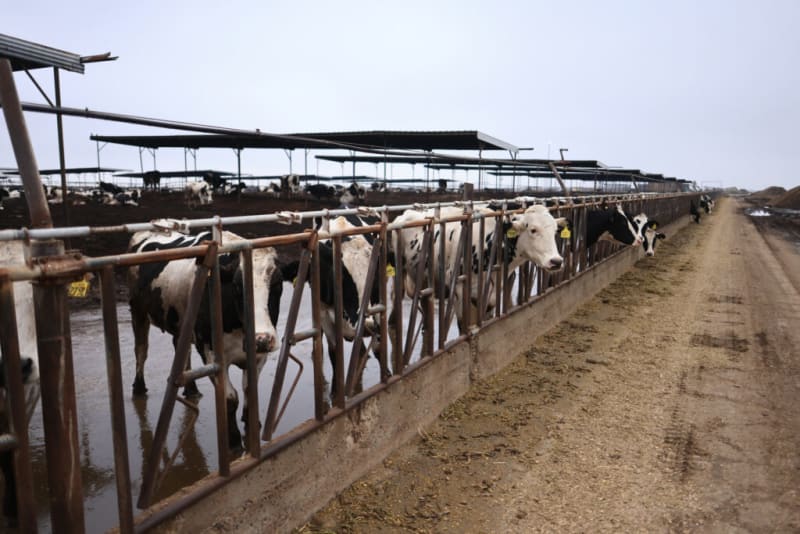
The numbers tell the story. Dairy and livestock produce more than half of California's methane, mostly from cow burps and manure. Current voluntary programs will only get the industry about halfway to where it needs to be by 2030.
That gap represents about 4 million metric tons of carbon dioxide equivalent that still needs cutting. Without new rules, California won't hit its climate targets.
For years, the state has paid farmers to install anaerobic digesters, which are like giant tarps over manure ponds that capture methane gas. Farmers then burn it for electricity or turn it into fuel. It sounds good, but environmental justice advocates say the program creates problems by encouraging farms to expand their herds and produce more local pollution.
Communities near big dairy operations have been asking for real regulations for years. Rural residents deal with nitrogen, phosphorus, and ammonia pollution from manure that affects their air and water quality.
Phoebe Seaton from the Leadership Council for Justice and Accountability calls this moment a chance for "a better solution for the state's manure problem." Her group works with inland California communities that live closest to dairy pollution.
The air board is now asking how best to track emissions, what reporting requirements make sense, and which reduction strategies are both technologically and economically realistic. Comments are due March 30.
The Ripple Effect
If California succeeds in regulating dairy methane, it could become a model for other states wrestling with agricultural emissions. The approach could balance climate goals with protecting communities while keeping the dairy industry viable.
Researchers like Kevin Fingerman from Cal Poly Humboldt say the state is trying to think creatively about cutting emissions without driving farms away entirely. That's the challenge: real environmental progress that works for everyone involved.
The request for feedback is just the first step, and it's unclear when actual rules might arrive. But after years of waiting, communities and climate advocates see this as progress worth celebrating.
California's decision to finally consider mandatory cuts shows that even tough climate challenges can move forward when people keep pushing for change.
Based on reporting by Inside Climate News
This story was written by BrightWire based on verified news reports.
Spread the positivity!
Share this good news with someone who needs it