California Targets Fake E-Bikes Without Hurting Real Ones
California's new bill cracks down on 40+ mph electric motorcycles masquerading as e-bikes, while leaving legitimate electric bicycles untouched. Major bike advocacy groups are cheering the surgical approach.
California just found a smart way to stop electric motorcycles from pretending to be bicycles without punishing actual e-bike riders.
State Senator Catherine Blakespear introduced Senate Bill 1167 this week, targeting high-powered electric vehicles that can hit 40 to 50 mph but hide behind the "e-bike" label. Brands like Sur Ron and Talaria sell these machines as electric bicycles, even though they function like lightweight motorcycles and often lack working pedals.
The confusion has created real problems. Some riders operate these powerful vehicles on sidewalks and bike paths without licenses or age requirements. Retailers struggle to know what they can legally sell, and police have trouble enforcing rules when the categories are murky.
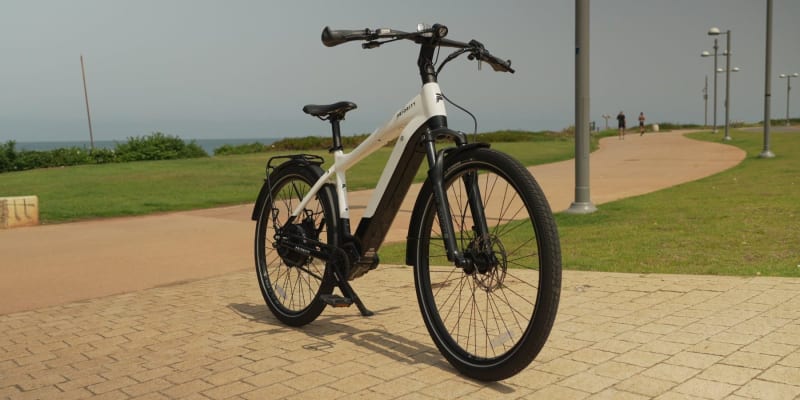
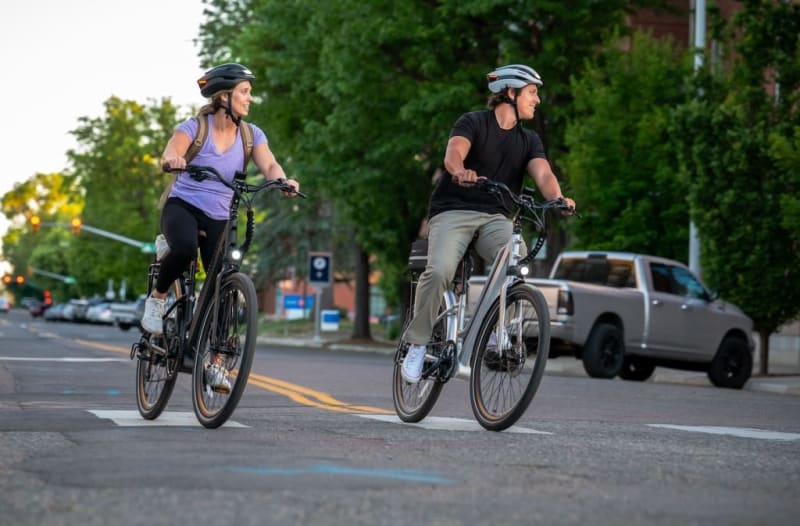
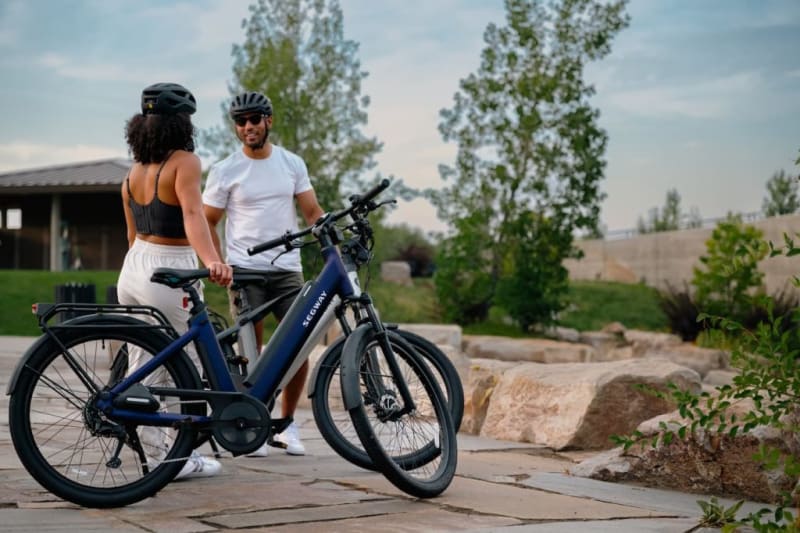
Here's what makes this bill different: it doesn't touch legitimate e-bikes at all. No license plates, no registration, no new insurance requirements for standard Class 1, 2, or 3 electric bicycles that follow California's 750-watt motor limit and 28 mph speed cap.
Instead, SB 1167 simply clarifies the line. Electric bicycles must have working pedals and motors under 750 watts. Anything beyond that is a moped or motorcycle and must be sold and regulated as such. Advertising these faster vehicles as e-bikes would count as false advertising under California law.
The bill updates definitions for motor-driven cycles and mopeds, sets clear speed thresholds around 30 mph for mopeds, and requires manufacturers to be honest about what they're actually selling.
The Ripple Effect
California Bicycle Coalition and People for Bikes are co-sponsoring the bill, which signals something important. These advocacy groups typically resist any legislation that could burden everyday e-bike commuters, so their support shows this approach protects rather than punishes standard riders.
This matters beyond California too. The state's e-bike market is enormous, and its policies often become templates for other states wrestling with similar questions about electric transportation.
A competing proposal, Assembly Bill 1942, sparked backlash for potentially requiring plates and registration for all e-bikes, which critics said would discourage families and commuters from choosing climate-friendly transportation. SB 1167 takes the surgical route instead, targeting only the vehicles that actually pose safety concerns while keeping the door wide open for legitimate electric bicycles.
As electric two-wheelers become more popular nationwide, other states are watching California figure out how to embrace helpful technology while addressing genuine safety issues. This bill shows it's possible to do both without throwing the baby out with the bathwater.
More Images

Based on reporting by Electrek
This story was written by BrightWire based on verified news reports.
Spread the positivity!
Share this good news with someone who needs it