California Tire Rule Will Save Drivers $1B Annually
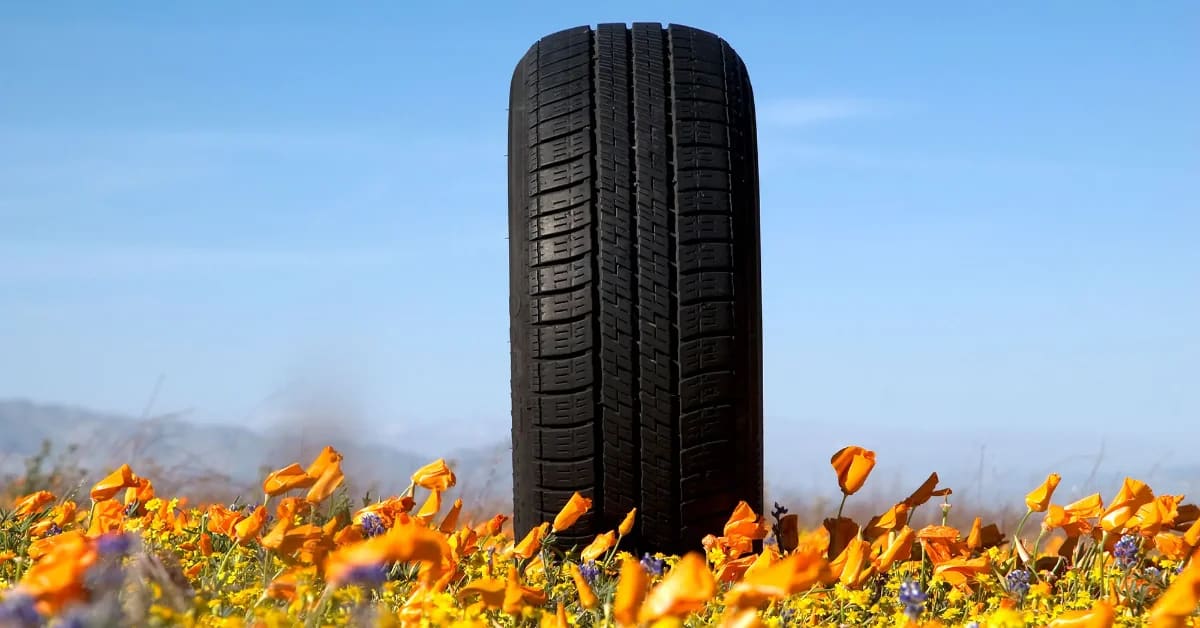
California just approved the nation's first tire efficiency standards, ensuring replacement tires are as fuel-efficient as original equipment. The rule could save drivers $1 billion yearly while cutting carbon emissions equal to removing 400,000 cars from the road.
Most drivers have no idea their replacement tires are costing them hundreds of extra dollars in gas. California just fixed that problem with a groundbreaking new rule.
The California Energy Commission unanimously approved the nation's first tire efficiency standards on Monday. The regulation ensures that when you replace your worn tires, the new ones will be just as energy efficient as the originals that came with your car.
Here's the problem most people don't know exists. When automakers design vehicles, they use low rolling resistance tires to boost fuel economy. But when those tires wear out and you buy replacements, they're often less efficient, forcing your car to burn more gas or your EV to drain more battery.
"It's very difficult or impossible for consumers to know how energy efficient their tires are going to be," said Brian Fadie, senior manager for state policy at the Appliance Standards Awareness Project. "As a result, many people unknowingly buy tires that cost them more money than necessary."
The new rule does two major things. First, it sets minimum efficiency standards for replacement tires sold in California. Second, it creates a simple "leaf" rating system, similar to Energy Star labels, so shoppers can easily spot the most efficient options.
The standards roll out in two phases, targeting the least efficient tires in 2029 and tightening requirements in 2033. Snow tires and racing tires are exempt, but most everyday tires will need to meet the new bar.
Commission chair David Hochschild celebrated the win. "This action will help Californians save approximately $1 billion a year on refueling while reducing pollution and extending the range of vehicles on the road," he said.
The math is compelling. More efficient tires cost between $6 and $26 more per set, but drivers save $85 to $153 over the tire's lifetime through reduced fuel consumption. With recent gas price spikes, those savings could be 25% higher.
Some tire companies like Michelin and ENSO backed the rule. "We support the efficiency goals and believe the proposed thresholds are technically feasible," said Francesca Mosteller, director of government affairs for Michelin North America.
Making tires more efficient isn't rocket science. Adding more silica improves both efficiency and traction. Better rubber chemistry and smarter tread designs also help.
The Ripple Effect
This California rule will likely transform the entire national tire market. The state's rules for tailpipe emissions now apply in 17 other states and Washington DC. The same pattern happened with California's LED lightbulb standards.
For EV drivers, more efficient tires mean less strain on already stressed electric grids. For everyone else, it means easier shopping thanks to the leaf rating system displayed in stores and online databases.
This victory was 21 years in the making. California's legislature called for tire efficiency standards back in 2003, but the project stalled when federal efforts failed to materialize. The state revived the initiative in 2020 and finally brought it across the finish line.
Bill Magavern, policy director for the Coalition for Clean Air, summed it up perfectly: "Manufacturers do not do the right thing on their own. They need the government to set smart standards." Now those standards exist, and millions of drivers will save money without even thinking about it.
More Images

Based on reporting by Good Good Good
This story was written by BrightWire based on verified news reports.
Spread the positivity!
Share this good news with someone who needs it