California Unites Solar Industry and Frog Conservation
California just proved that clean energy and wildlife protection don't have to be enemies. Conservation groups and solar companies worked together to save a tiny frog while keeping renewable energy projects moving forward.
When conservation advocates and solar energy developers sit down together, you might expect a fight. Instead, California just watched them create a blueprint for progress that protects both a declining frog species and the state's clean energy future.
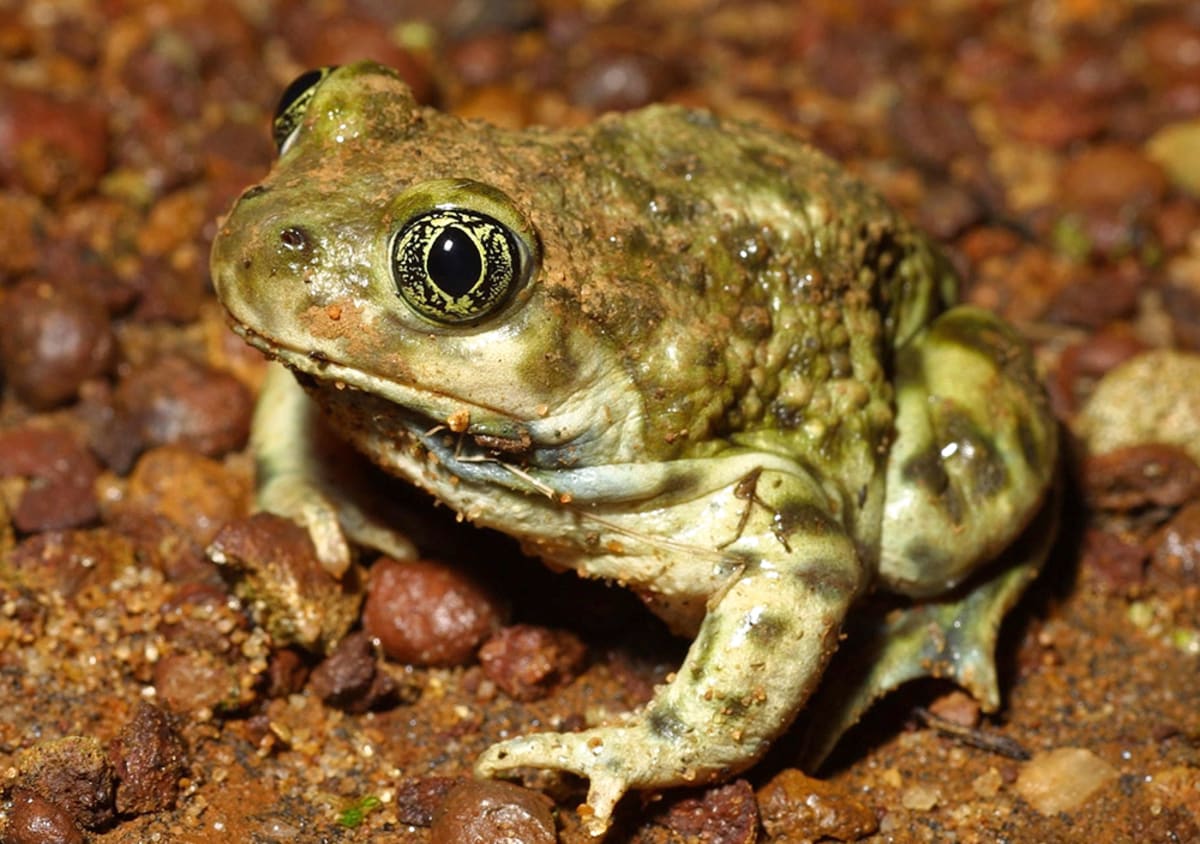
The California Fish and Game Commission adopted new regulations in August that let qualifying solar projects continue construction while protecting the western spadefoot frog. The tiny amphibian, measuring just one to three inches long, earned protected status after population declines across California's foothills, Central Valley, and coastal regions.
The collaboration happened because the Center for Biological Diversity and the Large-scale Solar Association chose partnership over conflict. They spent months crafting exceptions that work for both sides under existing wildlife protection laws.
Solar companies will now leave some spadefoot habitat untouched on their project sites. They'll also build new habitat like ponds and restore native grasslands to offset any unavoidable impacts. These requirements give the frogs safe spaces while solar panels still rise to meet California's energy goals.
"This is an opportunity for California to demonstrate collaborative work to achieve clean-energy goals and environmental and conservation benefits that are compatible," said Commission President Eric Sklar. Everyone came to the table and found solutions instead of roadblocks.
The western spadefoot faces serious threats from urban sprawl and agricultural development that have fragmented its historical range. Scientists aren't even sure the species still exists in some areas where it once thrived. The new protections trigger a one-year scientific study to get accurate population counts.
The Ripple Effect
This agreement creates a model other states can follow as they balance renewable energy expansion with wildlife protection. Solar projects don't have to destroy habitat to succeed, and conservation doesn't have to halt climate solutions.
The Commission also protected the Morro manzanita, a plant found only in San Luis Obispo County, by listing it as threatened. Fifteen marine protected area petitions will get decisions in October, with five led or co-led by California tribes.
California just showed that progress happens fastest when everyone works together instead of fighting over who matters more.
Based on reporting by Google News - Clean Energy
This story was written by BrightWire based on verified news reports.
Spread the positivity!
Share this good news with someone who needs it