California Wildflower Evolves to Survive Mega-Drought
During California's worst drought in 1,200 years, bright red wildflowers did something scientists thought was nearly impossible: they rapidly evolved to survive. This breakthrough study offers the first complete proof that plants can rescue themselves from extinction through lightning-fast genetic changes.
When California's historic megadrought killed over 100 million trees between 2012 and 2015, a delicate red wildflower that needs constant flowing water managed to defy death itself.
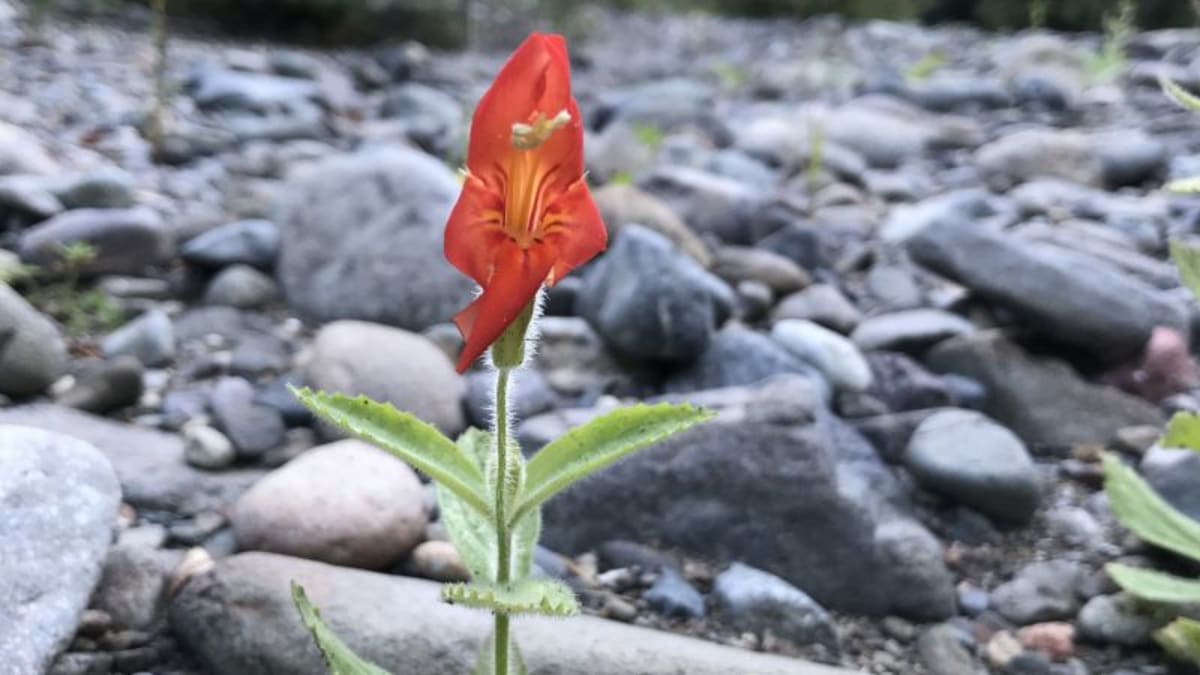
The scarlet monkeyflower shouldn't have survived. This bright flower thrives along creek beds and springs, places where water flows year-round. When streams dried up during the worst dry spell in over a millennium, populations crashed by up to 90%.
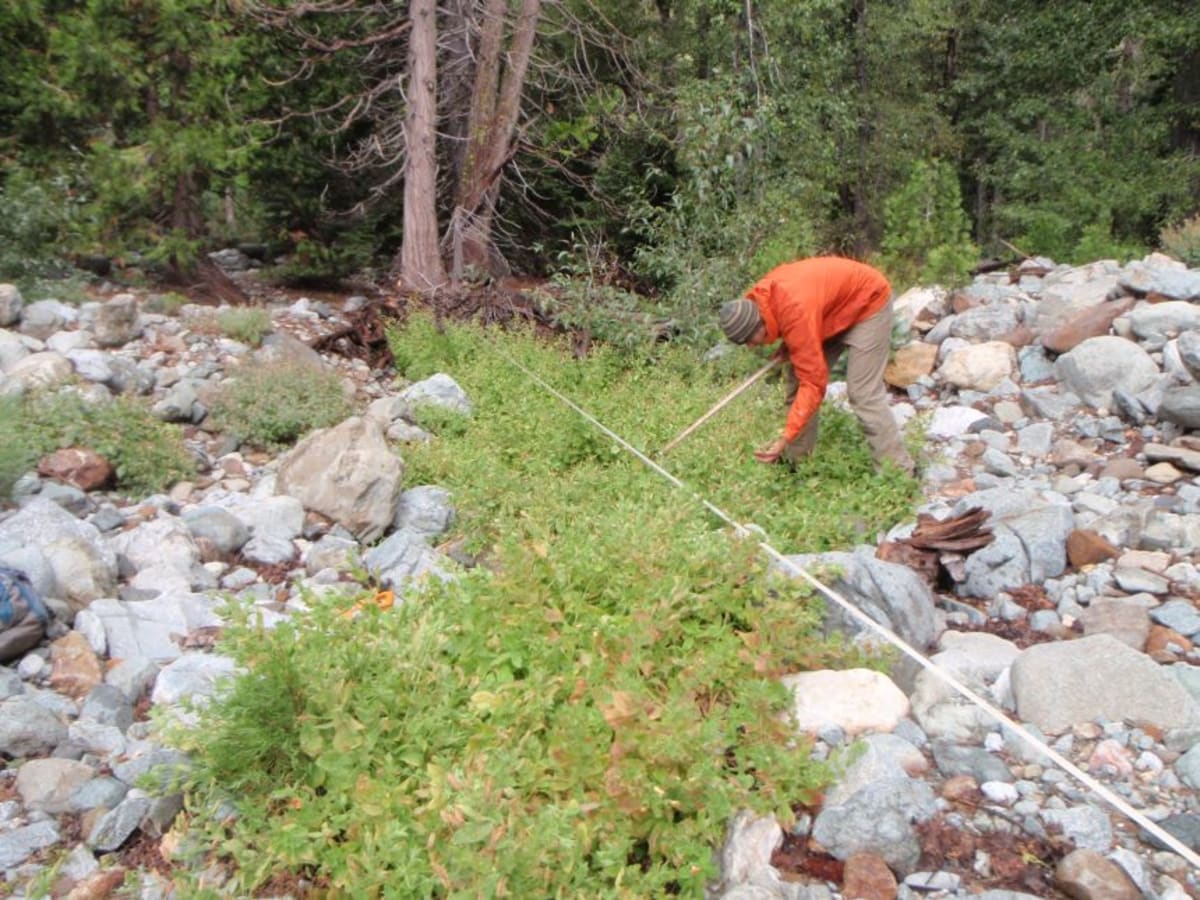
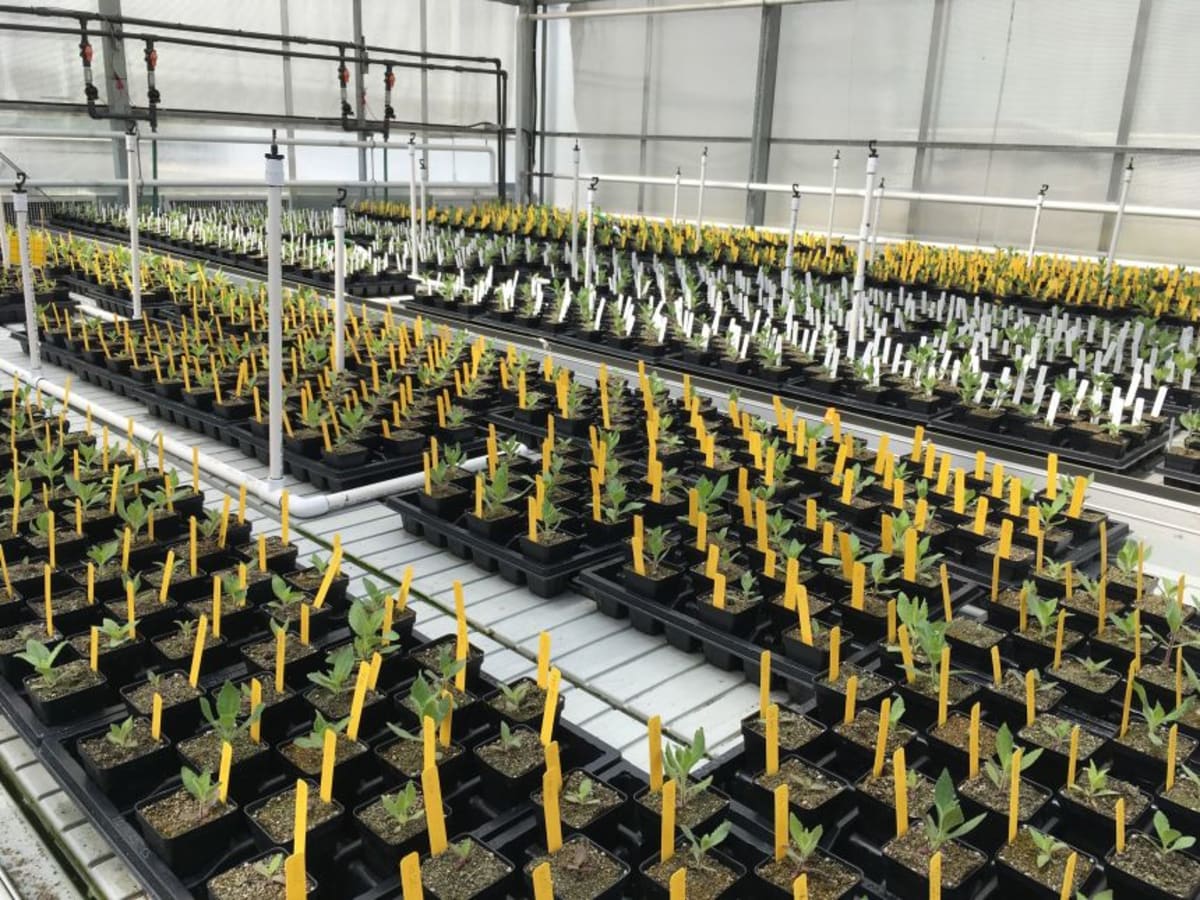
But something remarkable happened. Cornell University researcher Daniel Anstett and his team spent eight years tracking 55 wildflower populations across California. They watched the flowers die off, collected seeds from survivors, and sequenced their DNA to understand what was happening at the genetic level.
What they discovered was groundbreaking. The flowers that survived carried ancient drought-resistant genes that suddenly became lifesaving. These survivors passed those traits to their offspring, allowing populations to bounce back within two to three years.
Scientists call this process evolutionary rescue, when a species recovers from near-extinction by rapidly favoring helpful genetic traits. Researchers had seen hints of it before in Tasmanian devils fighting cancer and fish adapting to pollution. But this study, published Thursday in the journal Science, provides the first rigorous proof that rapid evolution can save wild populations from disappearing.
The wildflowers survived by essentially hunkering down. Instead of rushing to bloom and spread seeds, they grew more slowly and lived longer, a strategy called drought avoidance. The genetic mutations that enabled this weren't new, but they'd been hiding in the population for generations, waiting for the moment they'd be needed.
Why This Inspires
This discovery shows that nature has more tricks up its sleeve than we realized. While climate change remains a serious threat, some species may have hidden genetic tools that help them adapt to extreme conditions.
The key to survival is genetic diversity. When populations have lots of different genetic traits, they're more likely to have the right tools to handle whatever crisis comes next. That makes conservation efforts to protect widespread plant populations more important than ever.
The research continues today, with scientists monitoring whether these drought-adapted flowers will thrive or struggle if normal rainfall returns. Anstett's study could eventually span 30 or 40 years, tracking how evolution shapes these resilient wildflowers across generations.
This breakthrough reminds us that life finds a way, especially when we give it space to adapt and grow.
More Images

Based on reporting by Google News - Science
This story was written by BrightWire based on verified news reports.
Spread the positivity!
Share this good news with someone who needs it