California's Central Coast Hits 90% Clean Energy Access
Three California counties just achieved 90% renewable energy access while turning farms into carbon-fighting powerhouses. Despite losing $1.5 million in federal funding, the Central Coast proved local action can still win against climate change.
California's Central Coast just proved that climate progress doesn't need to wait for Washington. Thanks to grassroots efforts across Santa Barbara, Ventura, and San Luis Obispo counties, 90% of residents now have access to renewable energy.
The Community Environmental Council (CEC) led the charge from 2021 to 2025, turning obstacles into opportunities. When the federal government pulled $1.5 million in promised climate funding, local governments, farmers, and businesses stepped up instead.
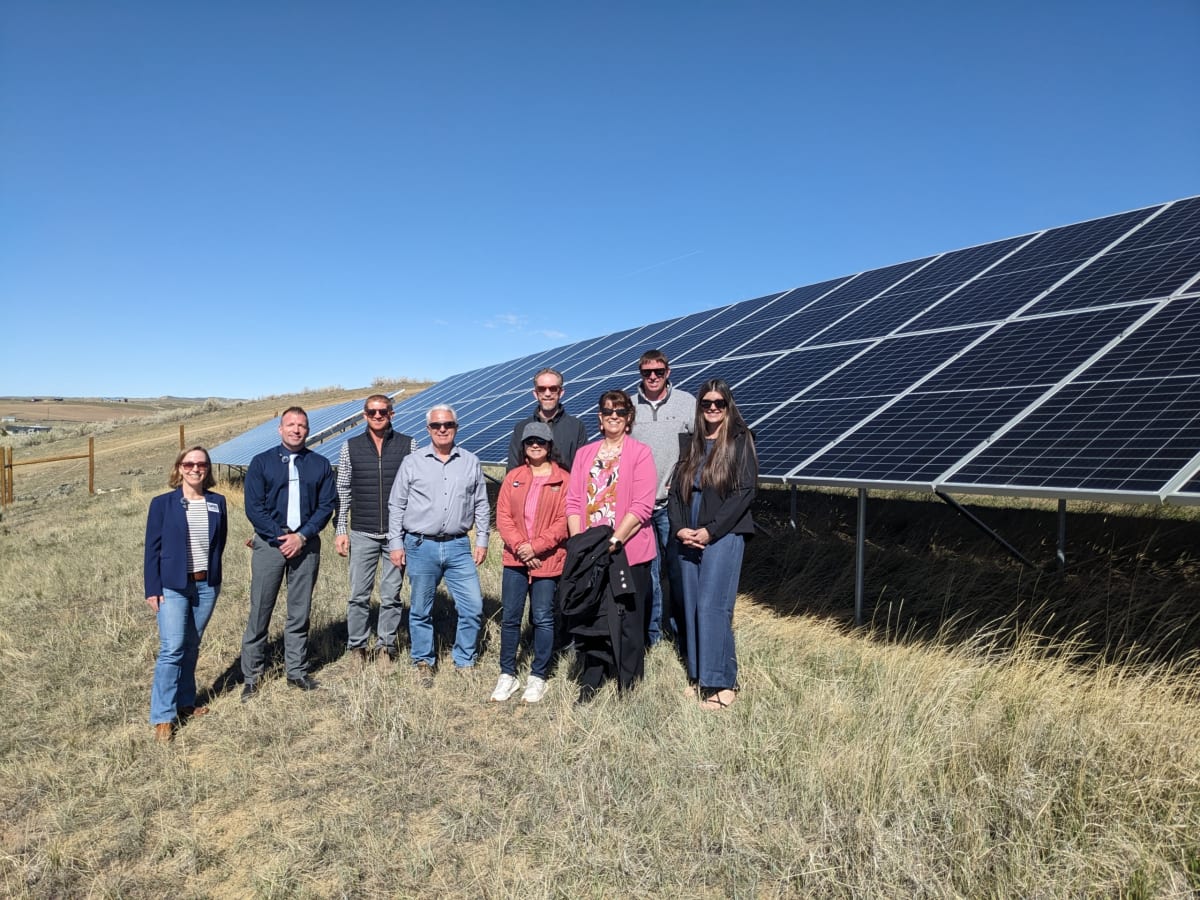
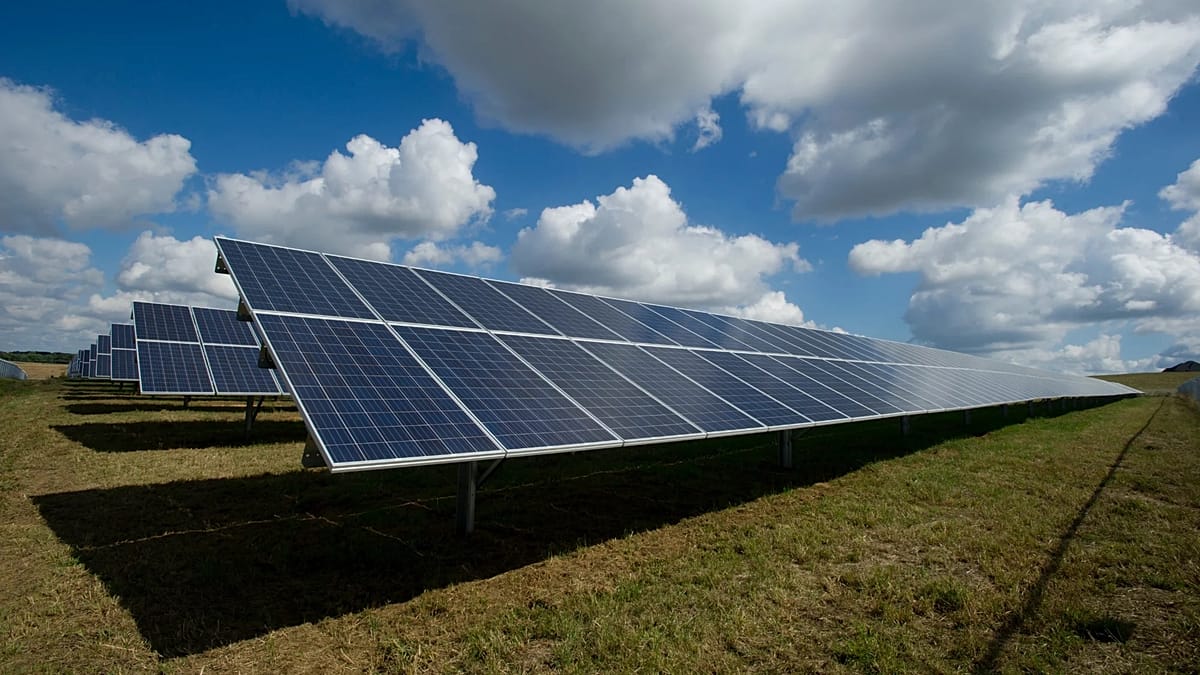
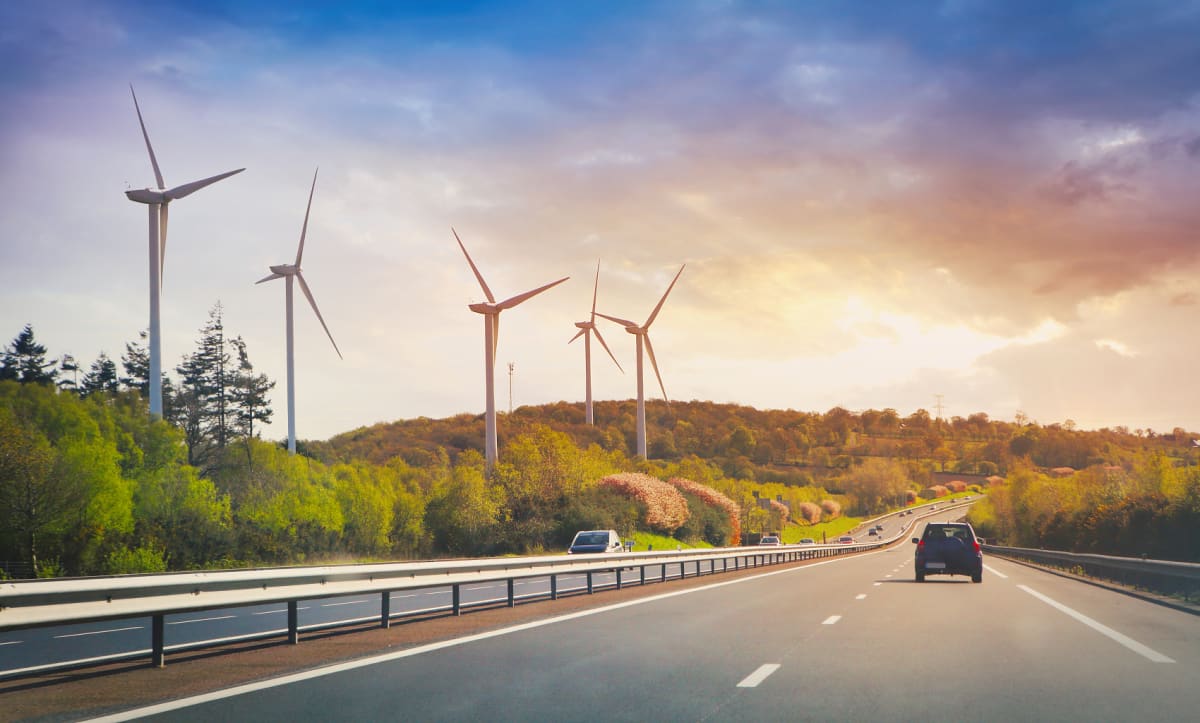
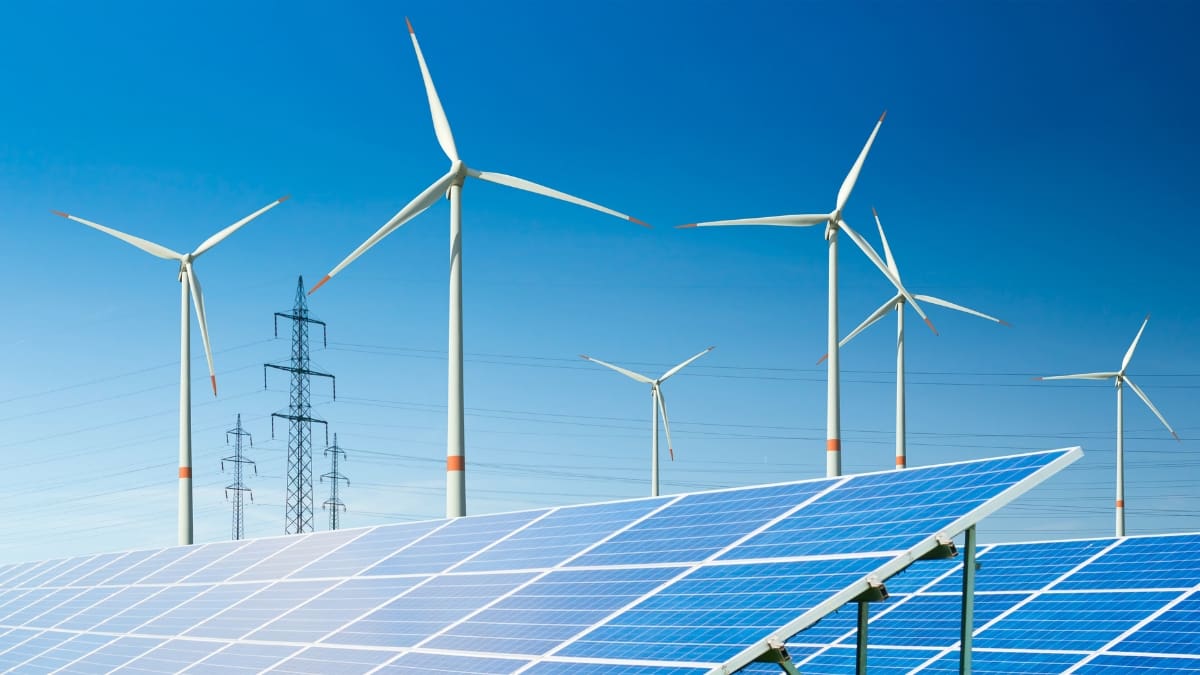
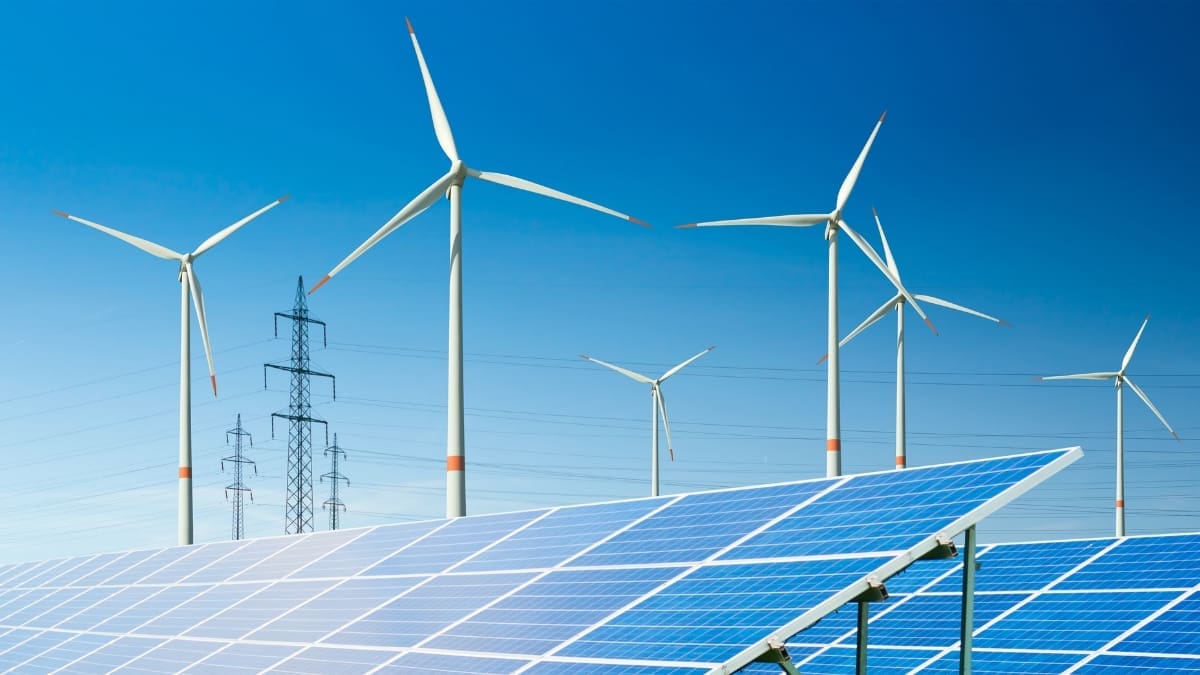
The results speak for themselves. More than 1,000 electric vehicle charging stations now dot the Central Coast, making clean transportation accessible to everyone. Fourteen solar installations power Santa Barbara's public schools, while 36,000 homes run on electricity from the region's first wind farm.
But the real surprise came from an unexpected ally: farmers. Agriculture dominates the Central Coast economy, and ranchers are now leading the fight against climate change. Over 60 landowners adopted regenerative farming practices that pull carbon from the atmosphere and store it in soil.
CEC distributed $2.6 million directly to agricultural producers implementing these climate solutions. The farmers aren't just helping the planet; they're opening new markets for climate-smart products that consumers increasingly demand.
The organization also tackled the climate emergencies already here. Three community resilience hubs across Santa Barbara County now provide safe gathering spaces during wildfires and extreme weather, complete with reliable power and clean air.
In Cuyama Valley, where climate risks keep growing, residents partnered with the Blue Sky Center to build one of the region's first resilience hubs. The facility serves as both a community center and emergency shelter when disaster strikes.
The Ripple Effect
This coastal success story proves climate action works best when it starts at home. While federal policies shifted and funding disappeared, local communities kept building the clean energy future they wanted to see.
The model is spreading beyond California's borders. Other regions are watching how Central Coast communities turned their farmers into climate champions and their schools into solar power stations.
CEC equipped hundreds of residents to lead climate initiatives in their own neighborhoods, creating a network of local leaders who know their communities' specific needs. That grassroots approach delivered results that top-down mandates often miss.
Born from the 1969 Santa Barbara oil spill that blackened beaches and killed wildlife, CEC has spent 55 years proving environmental disasters can spark lasting change. The organization helped pass California's first recycling law in 1990 and has pioneered climate solutions ever since.
Now their Central Coast model shows other communities exactly how to build climate resilience from the ground up, one solar panel and regenerative farm at a time.
More Images


Based on reporting by Google News - Clean Energy
This story was written by BrightWire based on verified news reports.
Spread the positivity!
Share this good news with someone who needs it