California's $4/Hour EV Program Helps 19% Avoid Buying Gas Cars
In California's poorest counties, a nonprofit lets residents rent electric vehicles for just $4 an hour, making clean transportation accessible where gas prices and car ownership feel impossible. The program has already helped thousands skip buying gas-guzzlers entirely.
Michael Defriese lives on disability payments in Stockton, California, where owning a car feels like a luxury he can't afford. But twice a month, he drives a clean electric vehicle 110 miles to visit his mother, paying just $35 for the entire day.
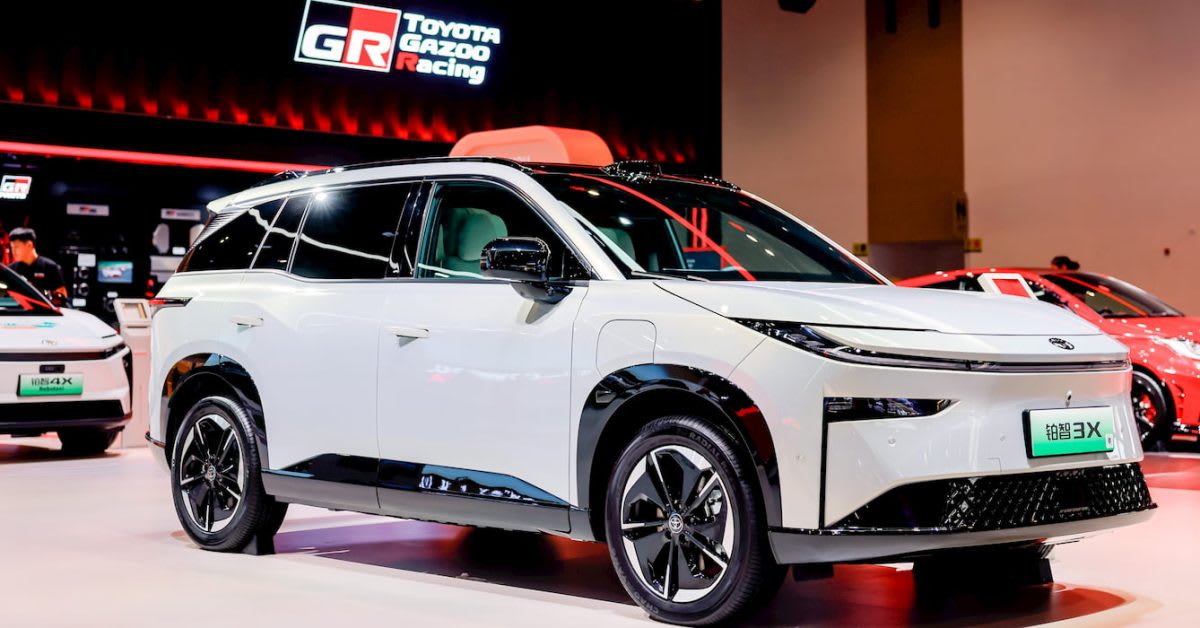
He's one of thousands using Míocar, a state-subsidized car-sharing program that's quietly solving two problems at once: giving low-income families access to transportation while cutting climate pollution. For a one-time $20 membership fee, residents can rent electric vehicles like Chevy Bolts for $4 an hour or $35 a day, with insurance and charging included.
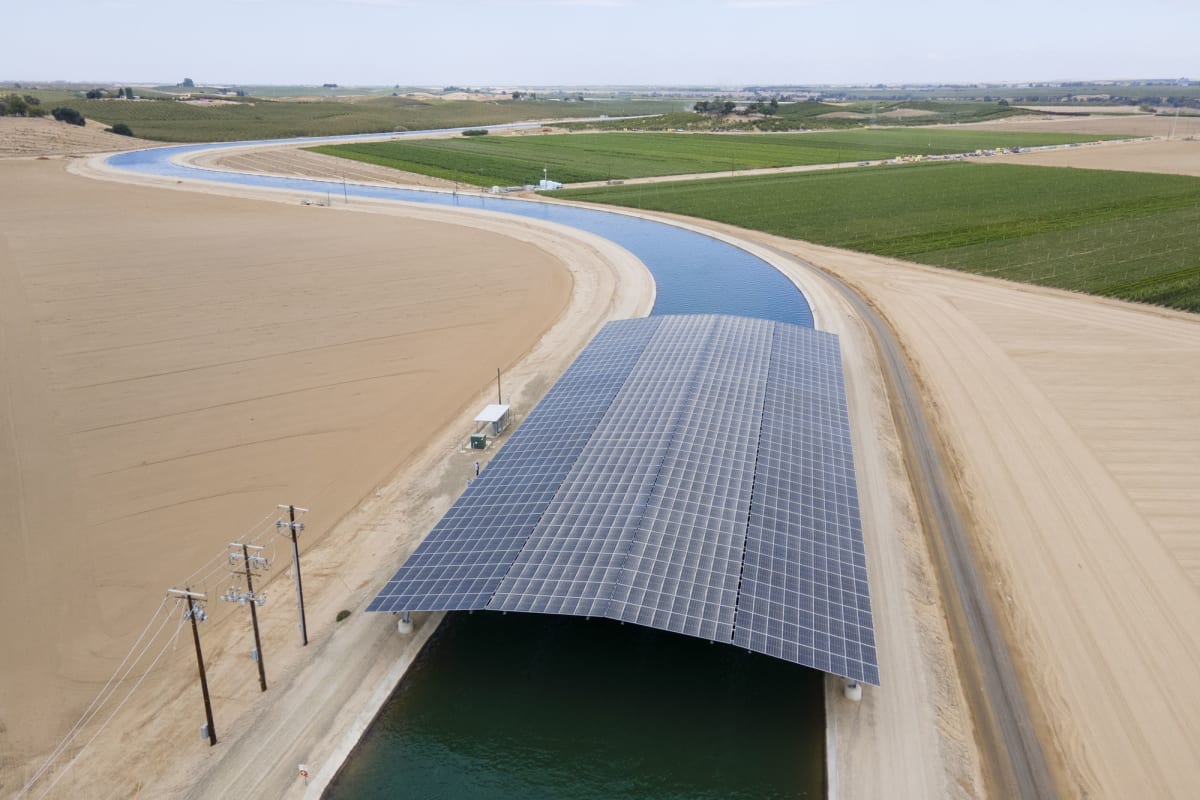
The program launched in California's Central Valley, where some of America's poorest families live surrounded by some of its dirtiest air. Poverty rates in counties like Kern and Tulare hover around 19%, while diesel trucks and agricultural emissions create pollution that gets trapped between mountain ranges.
"With the price of gas these days, I prefer driving Míocar over using my own personal car," said Jennifer Flores, another Stockton resident. Her experience isn't unique.
A University of California Davis study found that between 2019 and 2023, Míocar users avoided over 81,000 gas-powered vehicle miles. Even more striking: 19% of users said their experience with electric vehicles led them to either get rid of their gas car or delay buying one, often by simply not replacing a broken-down vehicle.
Gloria Huerta, Míocar's chief operating officer, said the cars sit near public housing, libraries, senior centers, and hospitals in areas where residents lack resources. "Since they are all electric, we can address equity issues and climate issues," she said.
The program fills gaps where public transportation can't reach. Some families share one car that disappears to work each day, leaving others stranded for doctor appointments or grocery runs. Others have cars sitting broken in driveways with no money for repairs.
The Ripple Effect
California funds Míocar through its cap-and-invest program, which charges polluters and reinvests that money into clean transportation projects. By law, 35% of those investments must benefit low-income communities.
The investment is paying off beyond just transportation access. Between 2000 and 2023, California's climate pollution dropped by 21% even as the state's economy grew by 81%, according to the California Air Resources Board.
In popular locations like Stockton, Míocar receives new membership applications daily and cars are often fully reserved. Staff spend considerable time doing outreach and training people to use charging stations, plus they provide 24-hour customer service.
Defriese uses his rentals for doctor appointments, grocery shopping, and those precious visits to family over 70 miles away. "We don't want to own a car," he said, ticking off the costs of gas, insurance, and registration that Míocar eliminates.
For thousands of California families, the future of transportation isn't about ownership at all.
More Images

Based on reporting by Google News - Electric Vehicle
This story was written by BrightWire based on verified news reports.
Spread the positivity!
Share this good news with someone who needs it