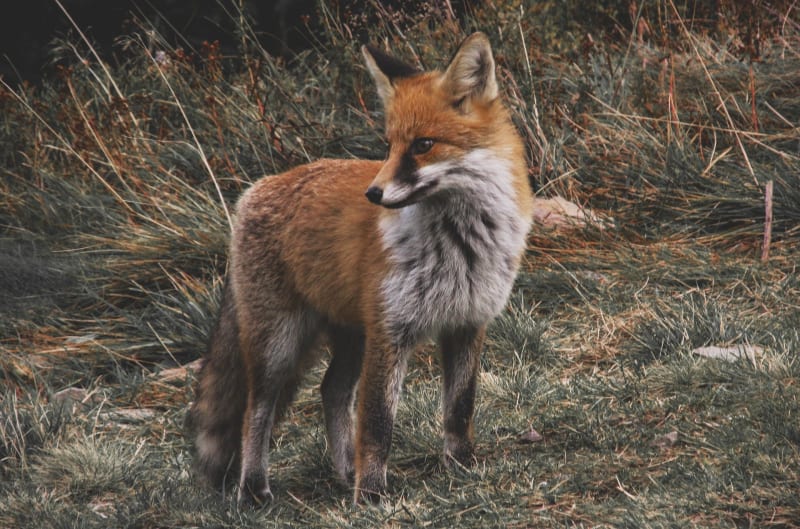
California's Rarest Fox Gets GPS Collar After Years of Trying
After years of trying, wildlife biologists finally GPS-collared one of fewer than 50 Sierra Nevada red foxes remaining in California. This breakthrough could help save the critically endangered species from extinction.
For the first time ever, scientists have successfully tracked down and GPS-collared one of California's rarest mammals, opening a window into the secret lives of a fox once thought extinct.
The Sierra Nevada red fox nearly vanished a century ago, hunted to near extinction for its stunning silvery coat. Today, fewer than 50 survive in the remote Sierra Nevada mountains, making each individual precious.
Wildlife biologists spent three years trying to capture just one fox for study. These sleek creatures, no bigger than house cats, live in barren terrain at extreme elevations and stay far away from humans. Their speed and wariness made them nearly impossible to trap.
But in January near Mammoth Lakes, persistence finally paid off. California Department of Fish and Wildlife biologists successfully fitted a GPS collar on a fox and released it back into the wild. Photos show the magnificent animal bounding across snowy plains beneath towering alpine peaks.
"Our goal is to use what we learn from this collared animal to work toward recovering the population in the long term," said Julia Lawson, an environmental scientist with the department. Her team celebrated the breakthrough after years of setbacks.
The GPS collar will reveal where these foxes travel, what they eat, and how they survive brutal mountain winters. Scientists believed the species disappeared from the Sierra in the 1920s until a motion camera captured proof of their survival in 2010 near Yosemite.
These foxes developed thick winter coats and extra furry feet that work like snowshoes in deep snow. Despite weighing only seven to ten pounds, they travel about seven miles daily across rugged mountain terrain.
Why This Inspires
This success story shows what dedication can achieve. Wildlife biologists didn't give up after years of failed attempts. They kept refining their methods, kept hiking into remote wilderness, and kept believing they could help save this species.
The knowledge gained from this single collared fox could guide conservation strategies for decades. Understanding seasonal movements and habitat needs will help protect the remaining population. Every data point matters when fewer than 50 animals exist.
Similar collaring efforts in 2018 helped scientists locate dens and understand breeding patterns in a separate fox population further north. That work proved these tiny predators are tougher than anyone imagined.
Now California has a real chance to bring the Sierra Nevada red fox back from the brink of extinction.
More Images


Based on reporting by Phys.org
This story was written by BrightWire based on verified news reports.
Spread the positivity!
Share this good news with someone who needs it