California's Renewable Energy Now Beats Natural Gas
For the first time, California gets more electricity from renewable sources than natural gas, marking a massive shift in how America's largest state powers itself. The secret weapon? Batteries that store sunshine for evening use.
California just proved something energy experts thought impossible a few years ago: you can wean a major economy off fossil fuels faster than anyone expected.
The state's use of natural gas for electricity has dropped 26 percent in the first half of this year compared to last year. Renewable energy now generates more of California's power than gas does, a milestone that seemed decades away just a short time ago.
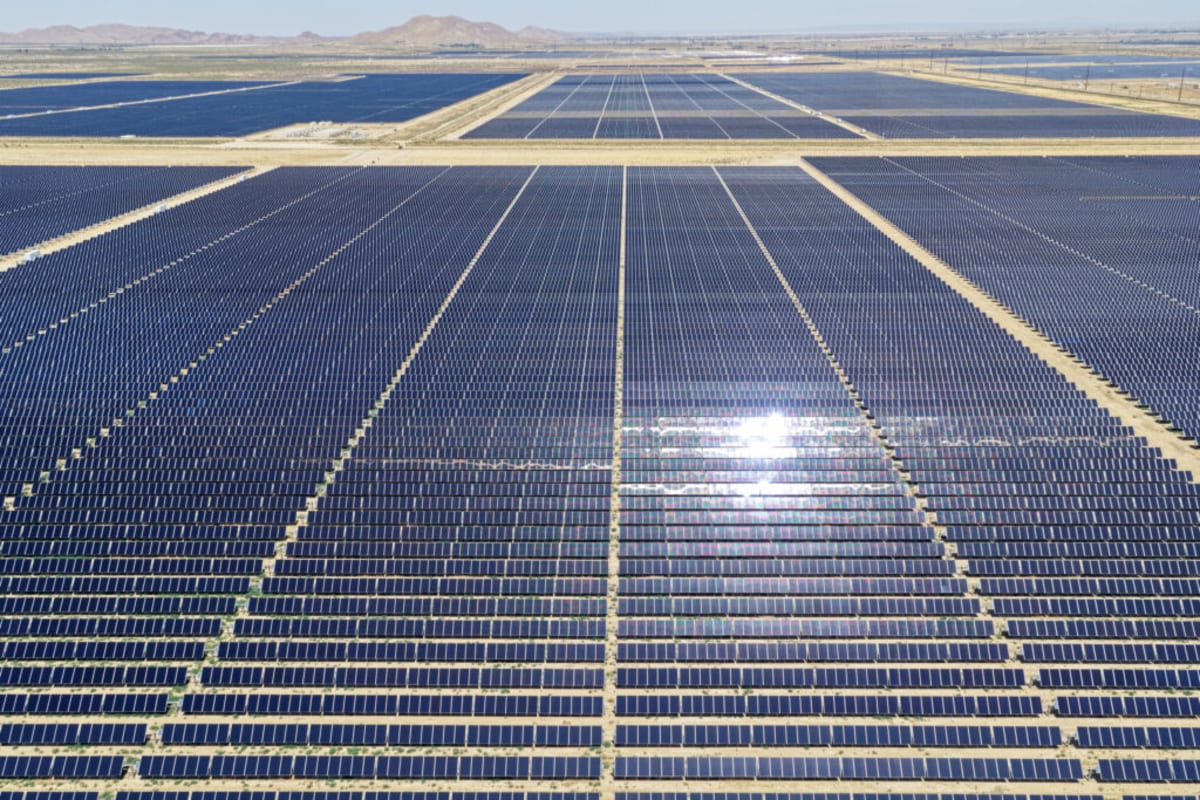
The transformation started with massive solar farms covering California's sunny deserts and farmlands. But solar panels only work when the sun shines, which created a problem: what happens when everyone comes home and turns on their air conditioning after sunset?
California's answer was batteries. Thousands of them.
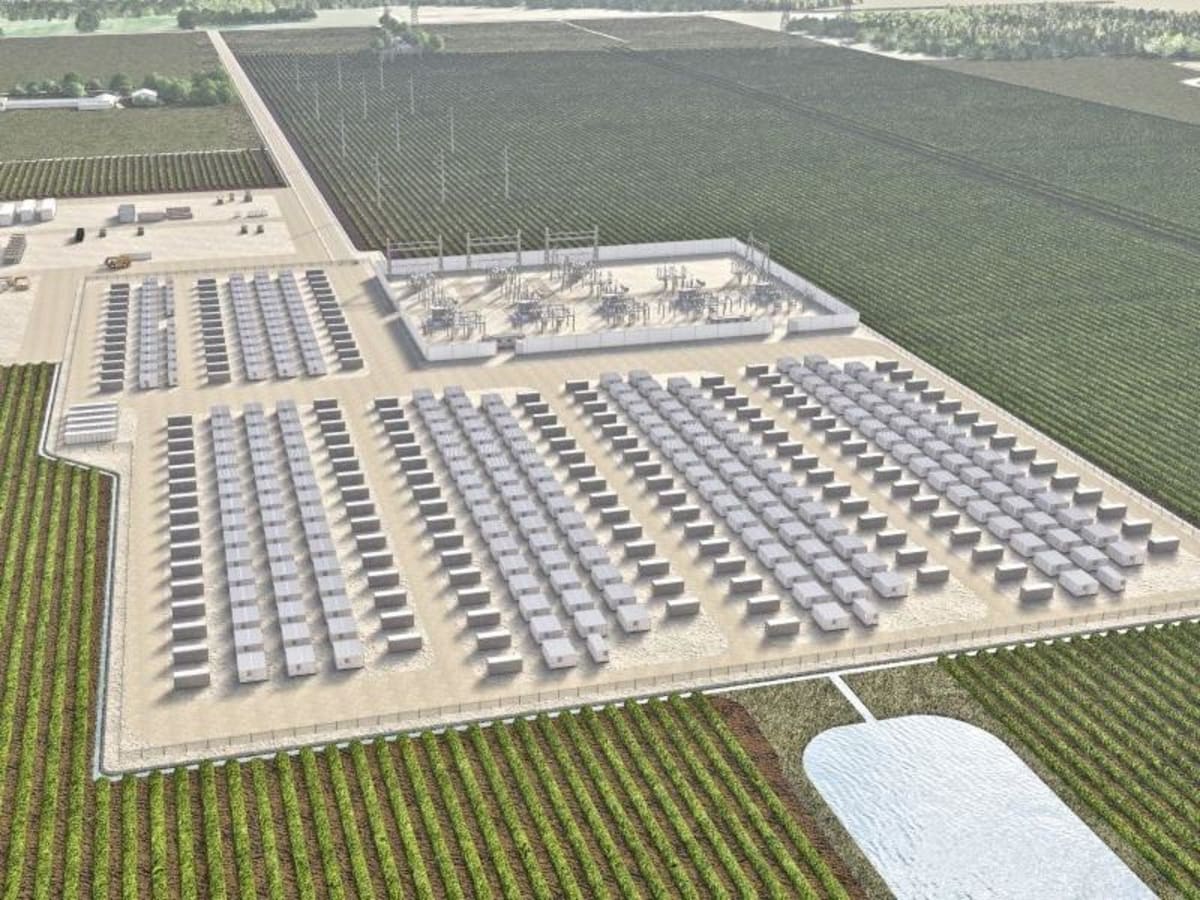
These aren't the AA batteries in your remote control. They're utility-scale storage systems that soak up extra solar power during the day when the sun blazes overhead and demand is low. Then they release that stored energy exactly when families need it most, right after the sun goes down.
Energy analyst Ed Smeloff compared two peak demand days, one from 2022 and another from this August. The difference was stunning. In just four years, batteries went from a small blip on the grid to a powerhouse that rivals natural gas plants.
The batteries charge themselves with clean solar energy all day. Then at sunset, they kick in with a surge of power that used to require firing up expensive gas plants.
California also got smarter about sharing power with neighboring states. Grid operators found ways to move electricity more efficiently across state lines, so everyone gets power when and where they need´ it.
Homeowners played their part too. Rooftop solar panels and home batteries reduced how much power the grid needed to deliver. Every home that generates its own energy is one less house pulling from gas plants.
The state didn't stumble into this success. California lawmakers passed laws specifically aimed at cutting carbon emissions and made it easier to build renewable energy projects. While some policies haven't worked perfectly, the overall direction is clear.
The biggest impact? California now needs far fewer "peaker plants," those inefficient gas facilities built just to handle a few hours of high demand each day. Peakers are expensive to run and terrible for air quality. Replacing them with batteries and solar saves money and cleans the air.
The Ripple Effect
What happens in California rarely stays in California. As America's most populous state and the world's fifth-largest economy, California's energy choices influence what other states, and even other countries, decide to do.
The success proves that the technology works at massive scale. Other states watching California's experiment now have a roadmap they can follow. They don't have to wonder if batteries can really replace gas plants because California already proved they can.
The economics are shifting too. As more batteries and solar panels get built, costs keep dropping. What was once expensive and experimental is becoming the practical choice.
California's cleaner grid means millions of people are breathing better air right now. The state's electricity sector is producing less pollution than it has in over a decade, without anyone losing power or comfort.
When the sun sets over California tonight, batteries charged by that same sunset will keep the lights on across the Golden State.
Based on reporting by Inside Climate News
This story was written by BrightWire based on verified news reports.
Spread the positivity!
Share this good news with someone who needs it