Cambodia Breaks Ground on $1B Green Energy Power Station
Cambodia just started building a massive hydropower station that will act like a giant rechargeable battery for the nation's electrical grid. The project brings the country closer to 70% clean energy by 2030.
Cambodia has begun construction on a groundbreaking $1 billion hydropower station that will transform how the Southeast Asian nation stores and delivers renewable energy to its growing population.
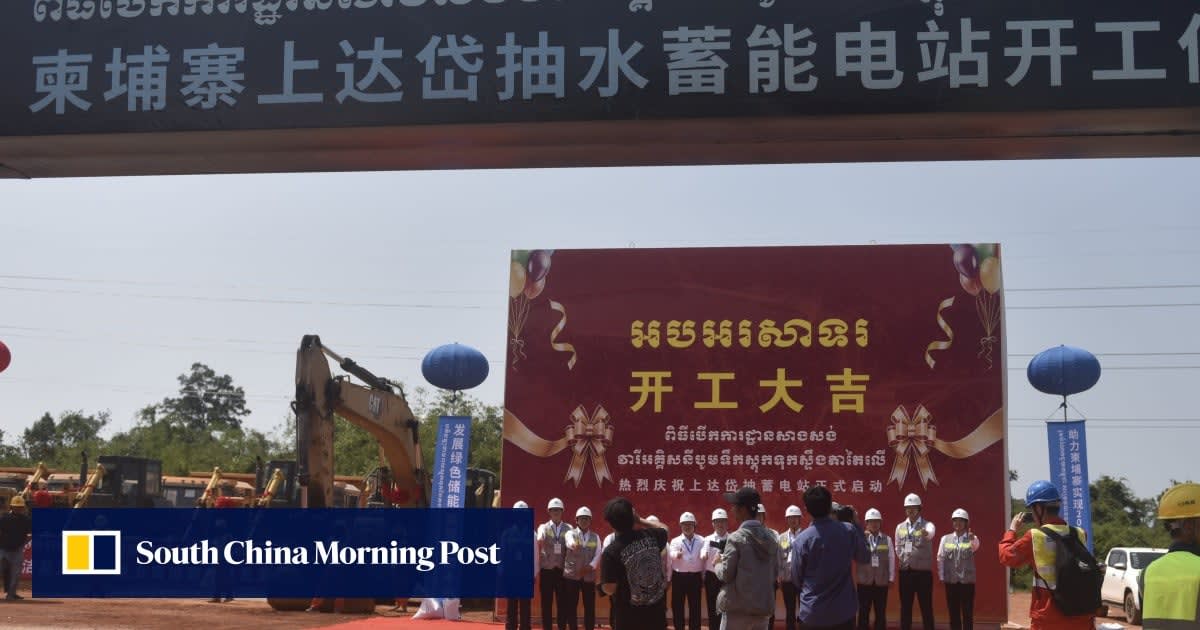
The Upper Tatay pumped-storage hydropower project in Koh Kong province broke ground on April 10, marking Cambodia's most sophisticated energy storage project to date. With a capacity of one gigawatt, it will function like a massive rechargeable battery for the country's electrical grid.
The technology works elegantly. During periods of low demand, excess electricity pumps water uphill from a lower reservoir to an upper one. When people need more power, water rushes back down through turbines to generate electricity on demand.
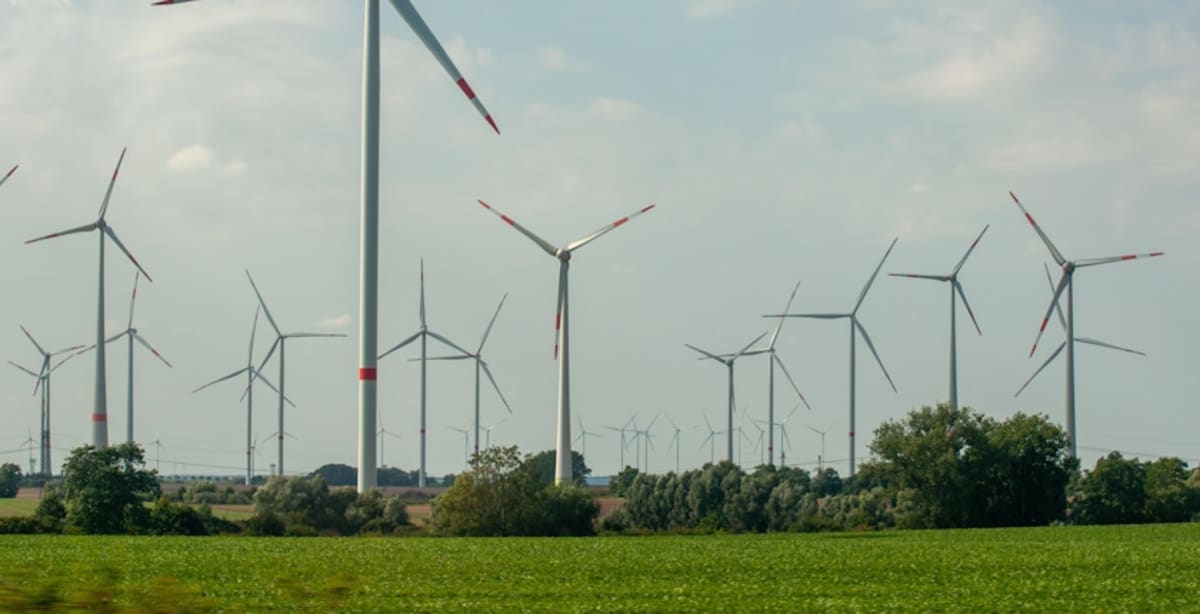
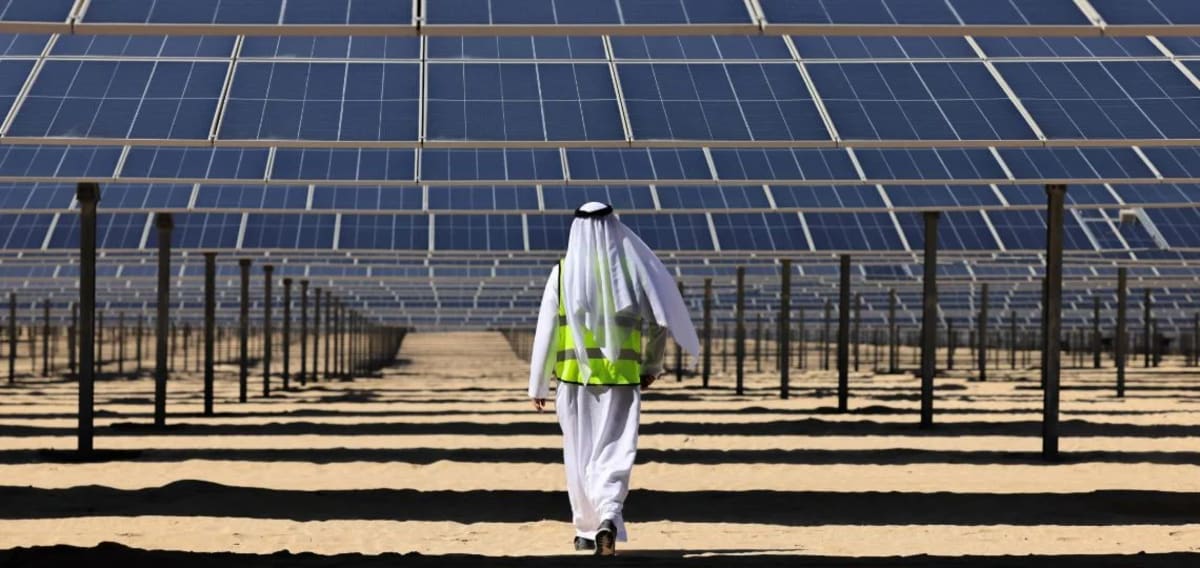
This matters because solar and wind energy fluctuate throughout the day, but people need reliable power 24/7. The station solves that puzzle without burning fossil fuels.
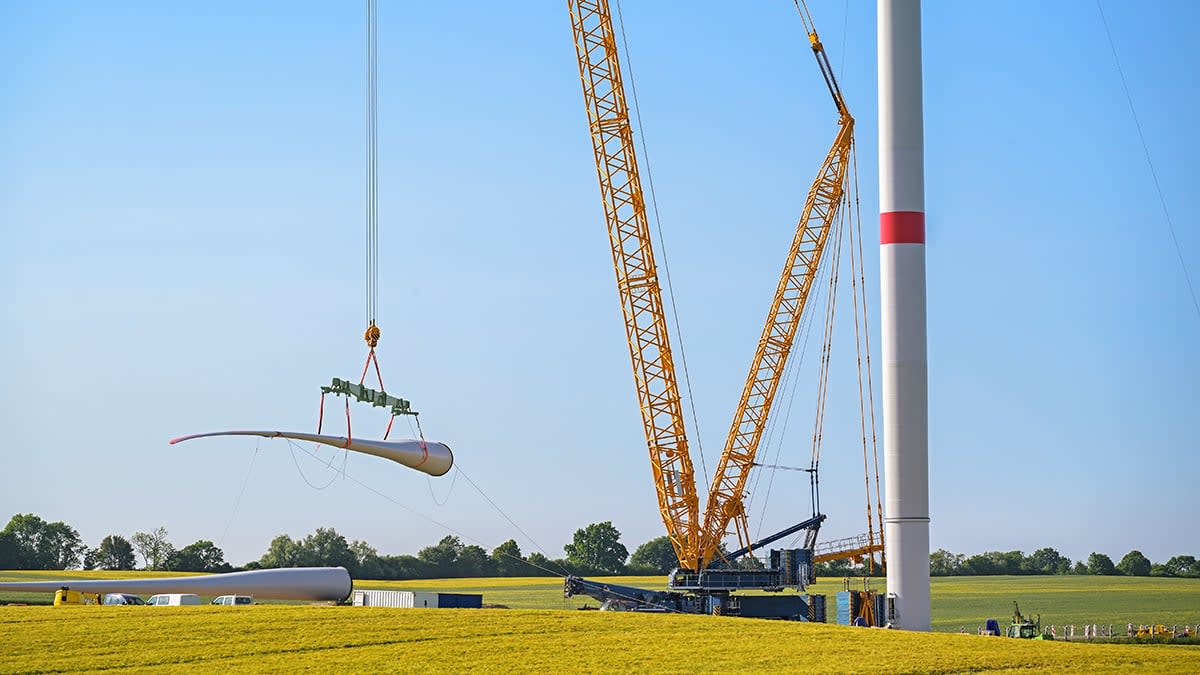
China National Heavy Machinery Corporation is developing the project, which represents a significant investment in Cambodia's $30 billion economy. The station is expected to be completed in 2029.
Cambodia has made remarkable progress on electricity access in recent years. Since 2010, the percentage of Cambodians with reliable home electricity has jumped from roughly 50% to about 96%, thanks partly to Chinese-built power infrastructure.
The Ripple Effect
This project positions Cambodia to hit its ambitious target of 70% clean energy by 2030. That goal seemed distant just years ago, but major infrastructure investments are turning it into reality.
The benefits extend beyond environmental wins. Energy storage technology helps countries reduce dependence on imported fossil fuels, which have become expensive and unreliable due to global supply disruptions.
Jayant Menon, a senior fellow at Singapore's ISEAS – Yusof Ishak Institute, noted that the fuel crisis has hit Cambodia particularly hard. The nation lacks domestic refining capacity and relies heavily on imports for traditional energy.
Similar clean energy projects are sprouting across Southeast Asia. Laos recently connected the first phase of a 1GW solar project to its grid, while Indonesia has Chinese-backed hydroelectric projects in development.
The Upper Tatay station will help integrate Cambodia's growing solar and wind capacity into a stable, reliable power system. Cambodian Mines and Energy Minister Keo Ratanak called it a milestone for the country's energy independence and sustainability goals.
Cambodia is proving that developing nations can leapfrog outdated energy infrastructure and build clean, modern systems from the ground up.
More Images


Based on reporting by Google News - Clean Energy
This story was written by BrightWire based on verified news reports.
Spread the positivity!
Share this good news with someone who needs it