Cambodia Tops Global Environment Rankings for 2026
Cambodia earned the top spot in global natural environment rankings, a stunning turnaround for a nation recovering from decades of conflict. The recognition celebrates expanding protected areas from 2 million to 7 million hectares and bringing critically endangered species back from the brink.
Cambodia just became the world's most environmentally successful country, according to 2026 rankings by U.S. News & World Report. The achievement marks a remarkable transformation for a nation that spent years rebuilding after war.
The announcement came during a hopeful ceremony on May 22, when conservation teams released 10 critically endangered Siamese crocodiles into the Srepok Wildlife Sanctuary in Mondulkiri province. Ministry of Environment spokesperson Khvay Atitya said he got goosebumps hearing the news.
Cambodia scored highest in three key areas: natural resource management, environmental quality, and sustainable land use planning. The country expanded its protected areas from just 23 sites in 1993 to 73 today, growing conservation land from about 2 million hectares to roughly 7 million hectares.
The Siamese crocodiles released into the wild represent one of conservation's biggest success stories. Fewer than 1,000 of these crocodiles remain globally, with Cambodia now home to more than 300 individuals, making it a critical stronghold for the species.
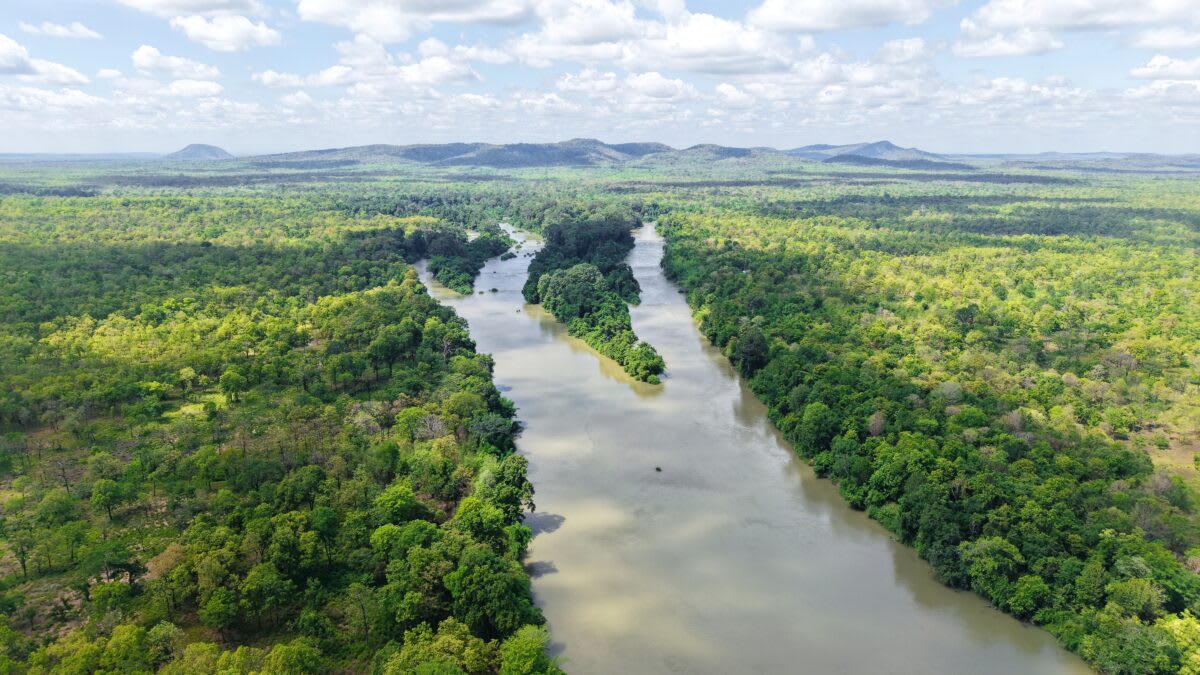
The nine females and one male released were bred from genetically pure stock at the Phnom Tamao conservation center. Conservationists chose the Srepok river system after years of study confirmed the presence of wild crocodiles and suitable habitat conditions, including deep water pools and flooded forests.
Officials credit environmental policies that prioritize green growth and natural resource protection. When forests are protected, air quality improves too, creating healthier conditions for both wildlife and people.
The Ripple Effect
Cambodia's environmental leadership extends beyond its borders. The country pledged to reduce greenhouse gas emissions by 55% by 2035 under its updated climate commitments to the UN.
Cambodia also ranks number one globally for Land & Resource Sustainability, showing how effective management of natural assets can create lasting change. Within Southeast Asia, Cambodia significantly outpaces its neighbors in sustainable practices.
The conservation work supports more than endangered wildlife. Protecting ecosystems strengthens ecotourism, creates sustainable livelihoods for local communities, and builds climate resilience for future generations.
Conservation authorities partnered with WWF-Cambodia, Fauna & Flora, and local communities to make this progress possible. Their collaboration shows that environmental protection works best when everyone contributes.
These natural resources will serve not only today's generation but humanity as a whole for years to come.
Based on reporting by Google News - Endangered Species Recovery
This story was written by BrightWire based on verified news reports.
Spread the positivity!
Share this good news with someone who needs it