Cambridge Creates Voice Device for Stroke Survivors
A wearable AI device called Revoice helps stroke survivors communicate naturally by reading throat movements and emotions, turning silently mouthed words into full sentences. Five patients tested it with 95% accuracy, reporting they could finally speak as fluently as before their strokes.
Nearly half of all stroke survivors lose their ability to speak clearly, trapped in bodies that know exactly what to say but can't form the words. Now a breakthrough device from Cambridge University is giving them their voices back.
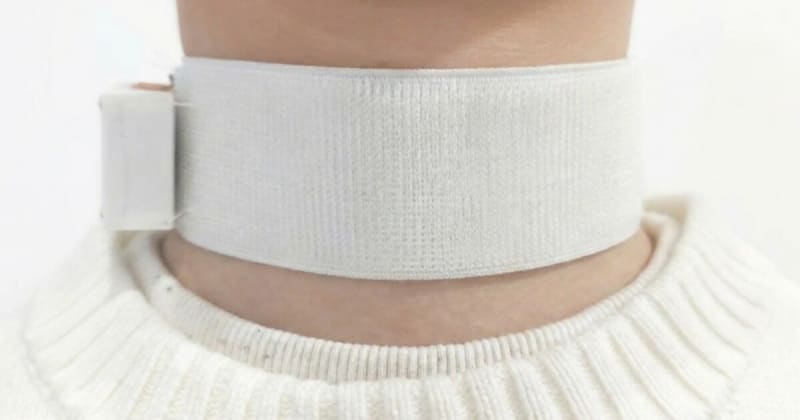
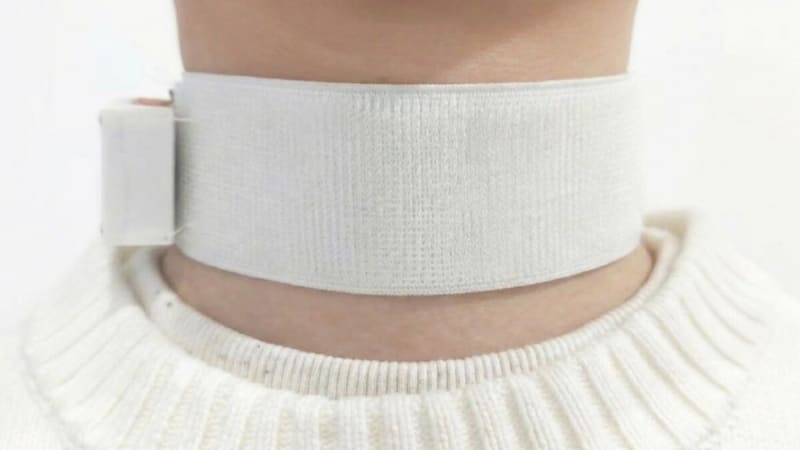
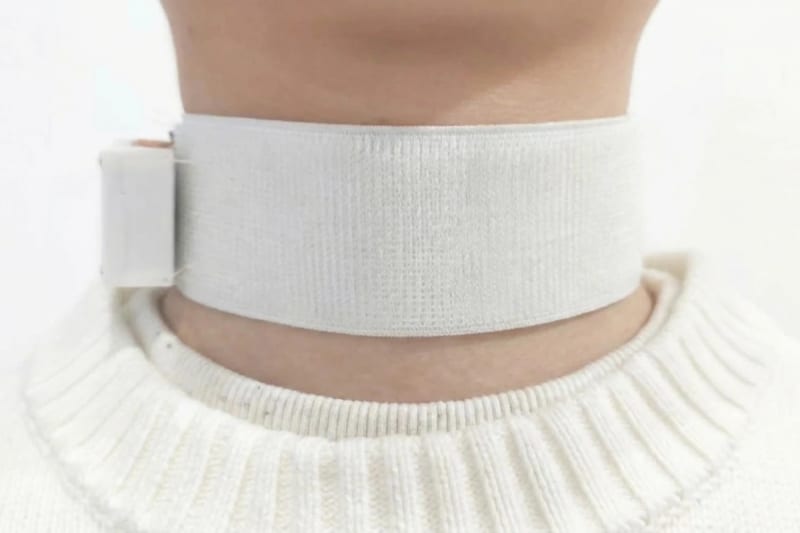
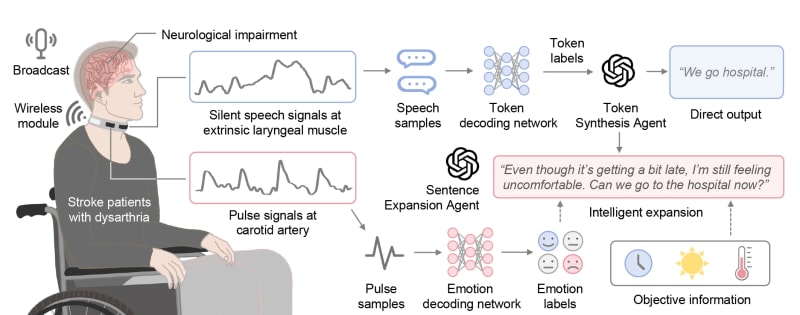
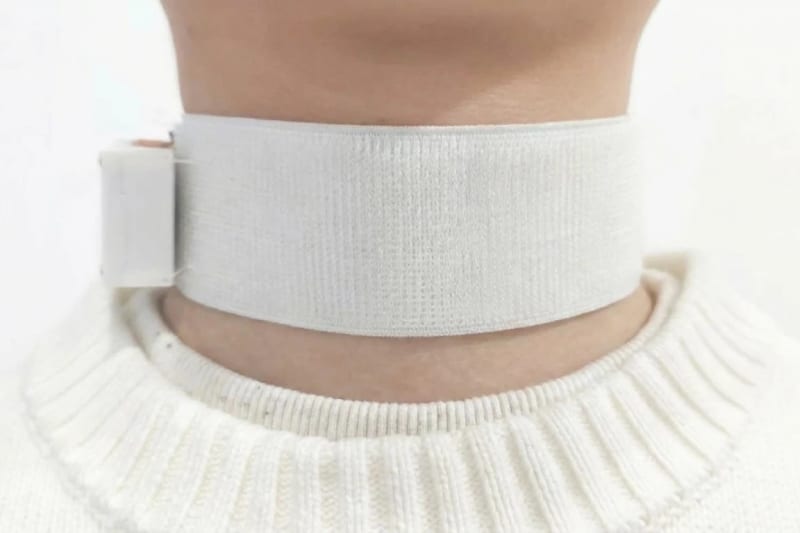
The wearable device, called Revoice, looks like a soft choker but works like magic. It reads tiny vibrations in the throat muscles when someone mouths words silently, then uses AI to turn those movements into spoken sentences through a synthetic voice.
What makes Revoice different from earlier attempts is its emotional intelligence. Two AI agents work together, one decoding the mouthed words and another reading the wearer's pulse to detect their emotional state. This means the device doesn't just translate words. It captures feeling too.
Scientists at Cambridge tested Revoice on five stroke patients who struggle with dysarthria, a common speech impairment that scrambles the signals between brain and throat. The results shocked even the researchers. The device achieved error rates of just 4.2% for words and 2.9% for sentences.
In one powerful example, a patient mouthed "We go hospital," and Revoice translated it into a complete, natural sentence: "Even though it's getting late, I'm still feeling uncomfortable. Can we go to the hospital now?" The AI filled in the gaps, predicting what the person really meant to say.
Unlike brain implants that require surgery, Revoice is completely non-invasive. Most stroke patients eventually regain natural speech, so they only need temporary help during the frustrating rehabilitation period. Professor Luigi Occhipinti, who led the research team, explains that patients know what they want to say but physically struggle because the stroke scrambled their signals.
Early silent-speech systems failed in the real world because they forced awkward pauses of up to three seconds between words. Revoice converts mouthed words into complete sentences instantly, creating natural-flowing conversation.
The device is made from washable, breathable fabric and runs on a battery that lasts all day. Patients in the trial reported a 55% jump in satisfaction and confirmed they could communicate as fluently as before their strokes.
Why This Inspires
Beyond stroke recovery, Revoice could help people with Parkinson's disease and motor neuron disease reclaim their voices. The research team is already planning to add multiple languages and more emotional expressions before larger clinical trials begin.
For the 400,000 Americans who survive strokes each year, losing speech means losing independence, connection, and dignity. This simple choker is giving all three back.
More Images
Based on reporting by New Atlas
This story was written by BrightWire based on verified news reports.
Spread the positivity!
Share this good news with someone who needs it
%3Amax_bytes(150000)%3Astrip_icc()%3Afocal(749x0%3A751x2)%2Fhospital-monitor471-08182026-2238505cc0d54ceb969039a7d55d72de.jpg)