Cambridge Device Helps Stroke Patients Speak Again
A wearable choker turns mouthed words into full sentences for stroke survivors who lost the ability to speak clearly. The AI-powered device achieved 97% accuracy without invasive brain surgery.
Imagine knowing exactly what you want to say but being unable to get the words out. That's the reality for half of all stroke survivors, but a new wearable device just changed the game.
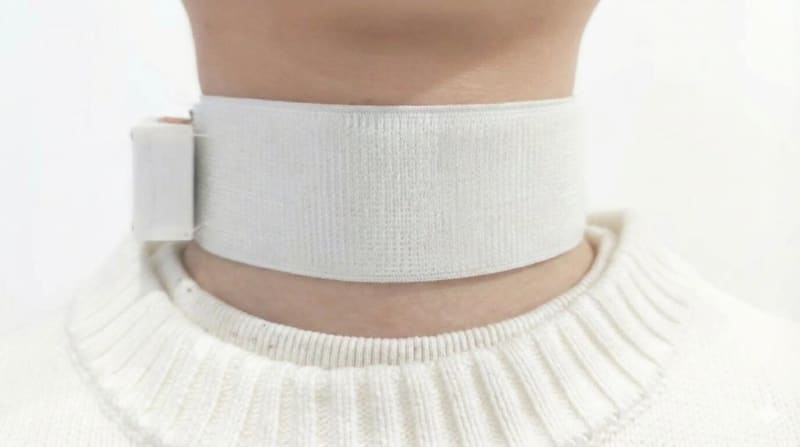
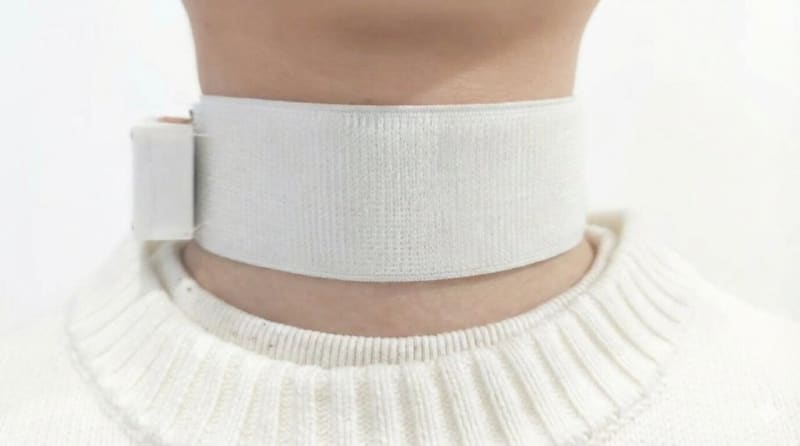
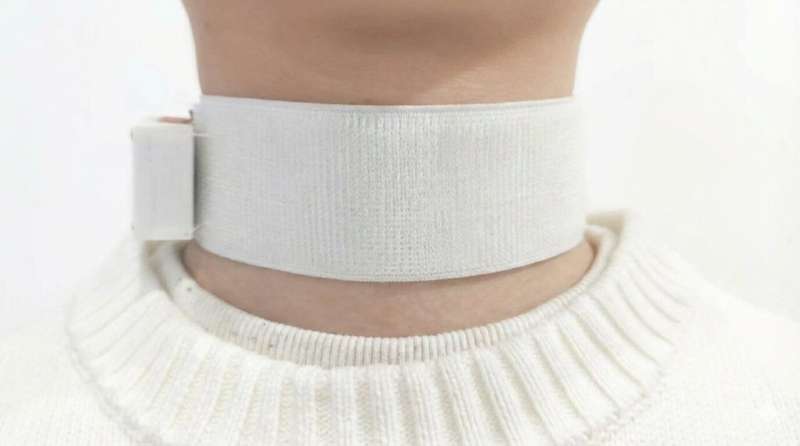
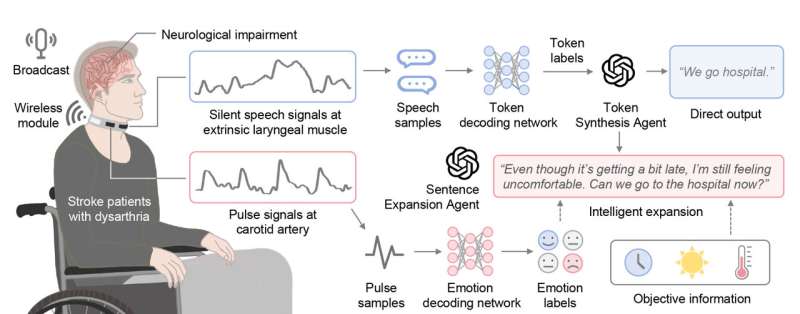
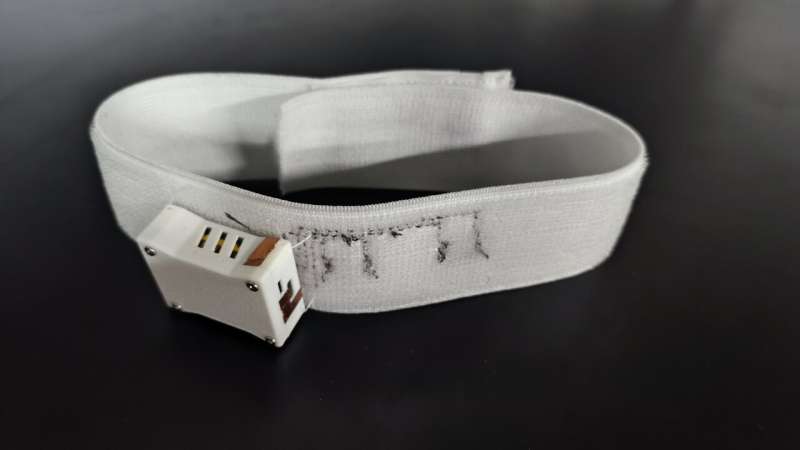
Researchers at the University of Cambridge developed Revoice, a soft choker that helps people with dysarthria communicate naturally again. The device captures tiny vibrations from throat muscles and heart rate, then uses artificial intelligence to decode speech signals and turn fragments of mouthed words into complete sentences.
In a recent trial with five stroke patients, the device achieved remarkable accuracy with just 4.2% word errors and 2.9% sentence errors. Unlike existing solutions that require slow letter-by-letter typing, eye tracking, or brain implants, Revoice works in real time.
Here's where it gets impressive. The device doesn't just translate words. It reads emotional cues from heart rate and considers context like time of day to create natural, expressive sentences.
In one example, a patient mouthed three words: "We go hospital." The device sensed elevated heart rate indicating frustration and knew it was late at night. It expanded those three words into a full sentence: "Even though it's getting a bit late, I'm still feeling uncomfortable. Can we go to the hospital now?"
Professor Luigi Occhipinti, who led the research, explains the frustration dysarthria patients face. "They know exactly what they want to say, but physically struggle to say it, because the signals between their brain and their throat have been scrambled by the stroke."
Currently, most stroke patients work with speech therapists doing repetitive word drills for months or even years. They can eventually perform these drills but often struggle with everyday conversation and open-ended questions.
The Ripple Effect
The implications stretch far beyond stroke recovery. The research team believes Revoice could help people with Parkinson's disease and motor neuron disease regain their voices too.
The device is washable, comfortable, and requires minimal power thanks to an embedded lightweight language model. The researchers are planning a larger clinical study in Cambridge this year to assess its viability for wider use.
For the estimated 50% of stroke survivors who develop dysarthria, this isn't just about speaking again. It's about reconnecting with loved ones, expressing needs, and reclaiming independence without waiting months for recovery or undergoing invasive surgery.
The future of speech recovery just got softer, smarter, and more hopeful.
More Images
Based on reporting by Medical Xpress
This story was written by BrightWire based on verified news reports.
Spread the positivity!
Share this good news with someone who needs it