Cambridge Revives Darwin's 200-Year-Old Botany Course
The botany course that transformed Charles Darwin from a would-be clergyman into one of history's greatest naturalists is coming back to life. Cambridge University just uncovered rare teaching materials from Darwin's mentor and will use them to teach students this summer, exactly as they did two centuries ago.
Plant specimens hidden in a Cambridge archive for nearly 200 years are about to teach a new generation of students the same botany lessons that shaped Charles Darwin's revolutionary thinking.
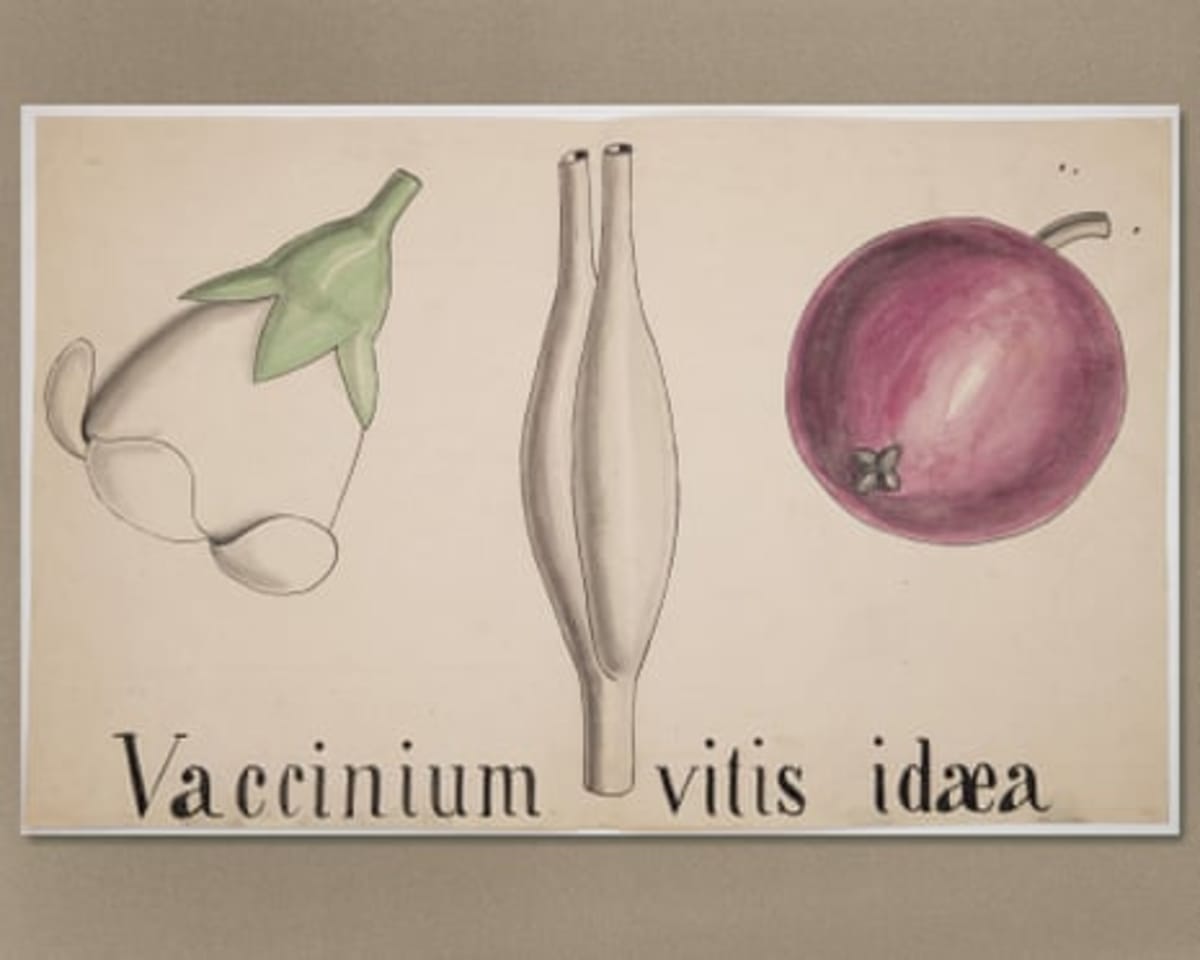
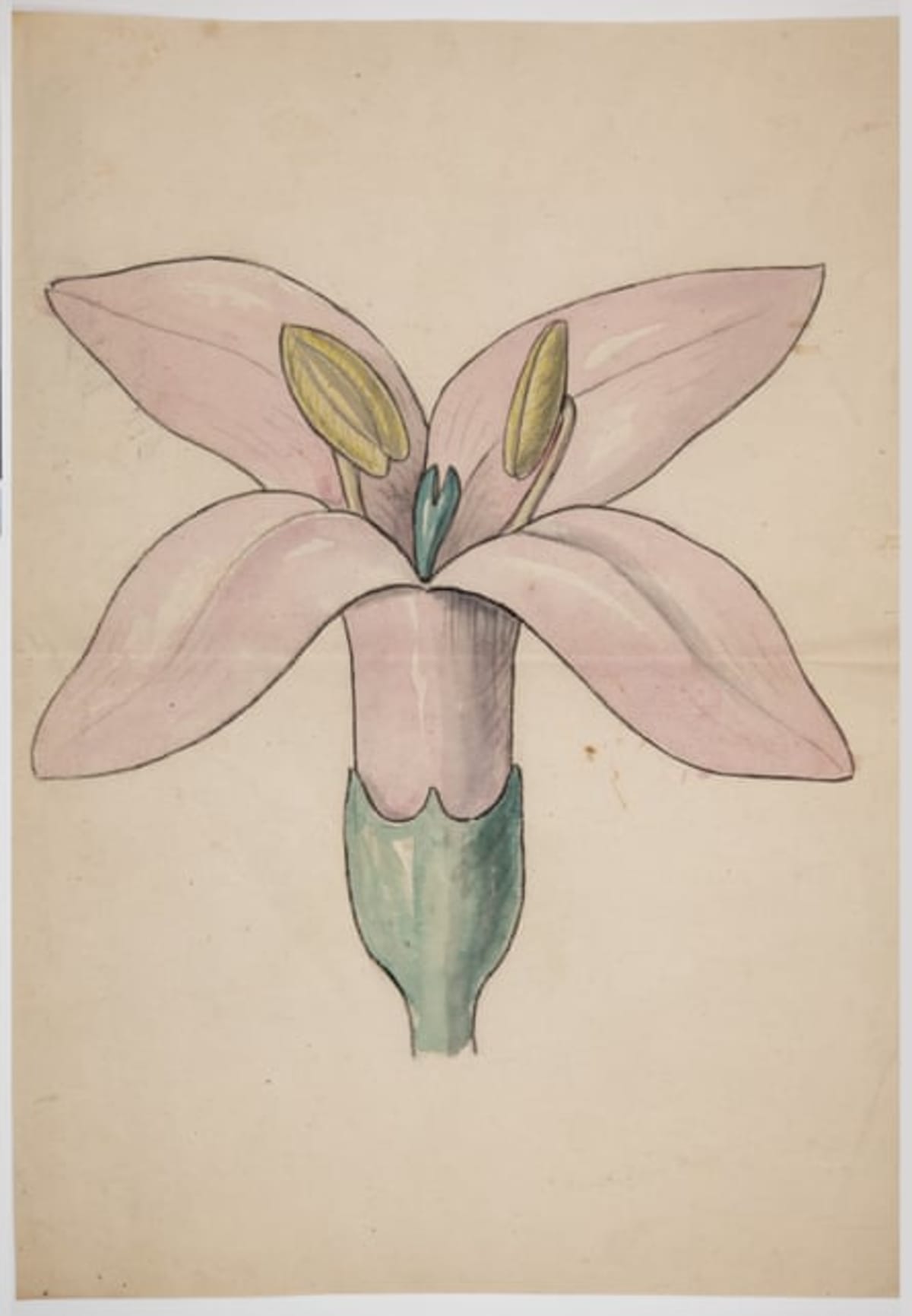
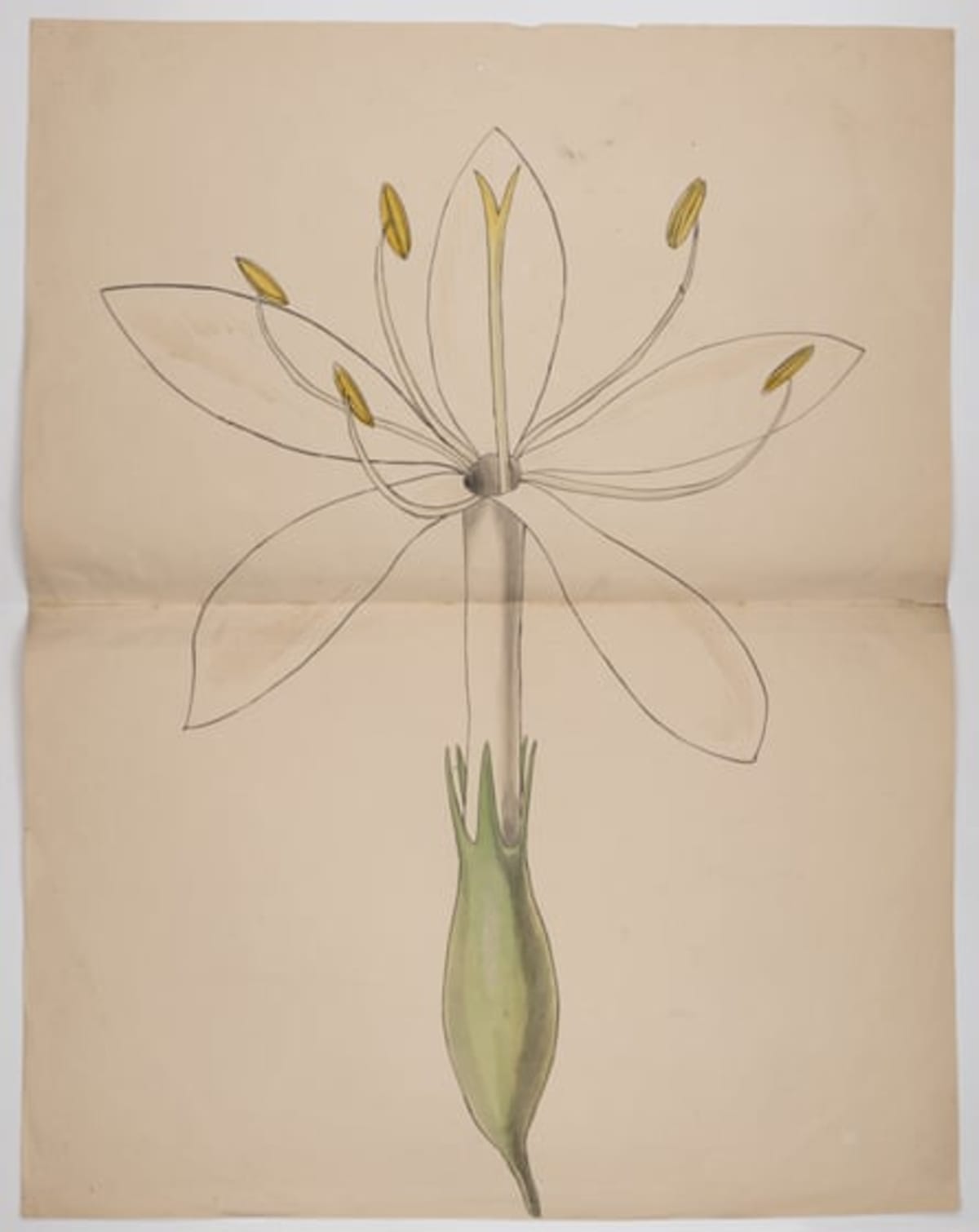
The fragile watercolors, ink drawings, and dried plants belonged to Professor John Stevens Henslow, Darwin's teacher and mentor who launched a groundbreaking botany course in 1827. When Darwin arrived at Cambridge in 1828 hoping to become a clergyman, Henslow's five-week course captivated him so completely that he took it three years in a row.
Henslow didn't just lecture. He took Darwin and fellow students on "herborising excursions" into the Cambridgeshire fens, teaching them to identify, categorize, and collect plants while observing how different species adapted to their environments.
These field trips and hands-on lessons gave Darwin his first taste of rigorous scientific observation. The concept of variation within species that Henslow taught laid the foundation for what would become Darwin's theory of evolution.
Darwin later credited Henslow with influencing his career "more than any other." When his mentor died in 1861, Darwin wrote, "I fully believe a better man never walked this Earth."
The Ripple Effect
Cambridge University Botanic Garden is launching a four-week summer course that mirrors Henslow's original curriculum almost exactly. Students will learn using the same teaching materials and field techniques from the 1820s, visiting the same types of habitats Darwin explored in the Cambridgeshire countryside.
The timing couldn't be better. Botany has nearly disappeared as a stand-alone undergraduate degree in the UK, creating what Professor Sam Brockington calls "a real gap" in how people understand plants.
Even talented plant science students often lack the basic language to describe plant form and diversity. Dr. Raphaella Hull, acting head of learning at the garden, emphasizes that understanding plant morphology helps researchers place their findings in broader context.
That broader view matters more than ever as biodiversity loss and climate change accelerate. Being able to observe and understand the plant world around us has become essential, not optional.
When the course designers mapped out their ideal immersive botany program, they discovered the overlap with Henslow's 19th-century curriculum was remarkable. They weren't just drawing inspiration from tradition; they were reviving its spirit entirely.
The course welcomes undergraduate and postgraduate students, academic researchers, and professionals in ecology, horticulture, and conservation. Hull notes that Henslow's hands-on approach proved profoundly popular because "it's the fullest, most complete way to teach botany."
Two hundred years later, pulling apart specimens, visiting natural habitats, and getting your hands dirty with real plants remains the best path to understanding the living world that sustains us all.
More Images

Based on reporting by Guardian Environment
This story was written by BrightWire based on verified news reports.
Spread the positivity!
Share this good news with someone who needs it