Cambridge Scientists Find Molecule That Stops Alzheimer's
Researchers have discovered a naturally occurring molecule that can halt the formation of brain plaques linked to Alzheimer's disease. The breakthrough could lead to a preventative pill taken in middle age, similar to how statins protect against heart disease.
Scientists at Cambridge University have found a molecule that could stop Alzheimer's disease before symptoms even begin.
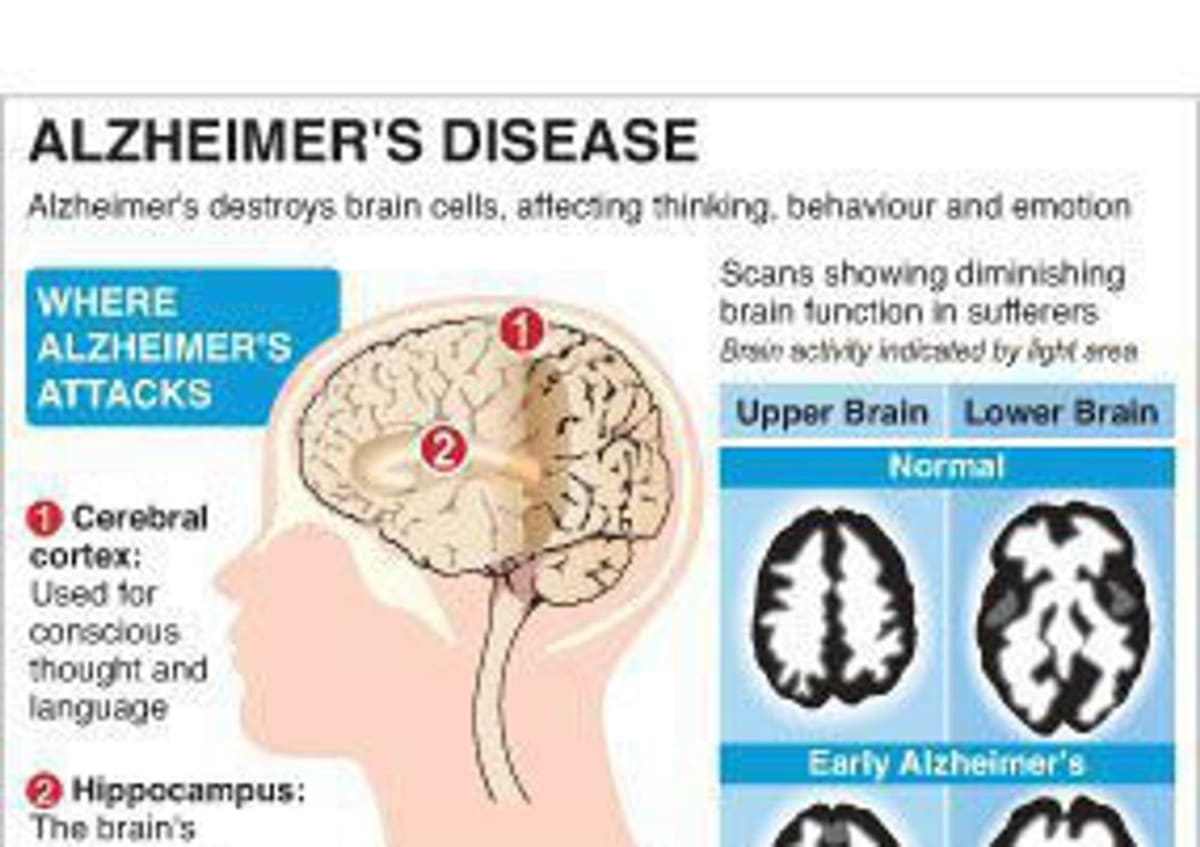
The research team discovered that Brichos, a protein naturally found in human lungs, can slow the formation of toxic plaques in the brain. These amyloid plaques wrap around nerve cells and are closely linked to memory loss and other Alzheimer's symptoms.
In tests on mice, the Brichos molecules attached to harmful protein threads called fibrils and prevented them from clumping together. By stopping the fibrils from forming plaques, the molecule halted their spread through the brain.
Dr. Samuel Cohen, the lead researcher from St. John's College, says this discovery is just the starting point. His team believes many similar proteins could work as effective treatments, opening entirely new paths for dementia research.
The real promise lies in prevention. Cohen explains that people could potentially take a pill in their 60s to stop these proteins from grouping together, well before any memory problems appear.
The approach mirrors how millions already use statins to prevent heart disease. Instead of treating Alzheimer's after diagnosis, this drug could wipe out damaging plaques as soon as they start forming.
Why This Inspires
More than 830,000 people in the UK alone live with Alzheimer's, and that number grows each year. For decades, families have watched loved ones slowly fade as dementia steals their memories and independence.
This research, published in Nature Structural and Molecular Biology, represents the first clear explanation of how a specific molecule can interrupt the disease process. Until now, scientists weren't sure what to look for.
Health charities have responded with cautious optimism. They acknowledge the discovery could reduce what they call the "catastrophic effect" of dementia on families and communities.
The next step is finding the right molecule that's safe and effective for human use. Cohen and his team are now searching for similar proteins that could become actual medications.
What makes this especially hopeful is that the molecules work at the disease's root cause, not just its symptoms. By targeting the earliest stages of plaque formation, the treatment could prevent Alzheimer's from developing at all.
The research shifts the conversation from managing decline to preventing it entirely, giving millions of people hope that dementia doesn't have to be an inevitable part of aging.
Based on reporting by Google News - Cure Discovery
This story was written by BrightWire based on verified news reports.
Spread the positivity!
Share this good news with someone who needs it